The Water Way
“Turning on a tap cannot be a ‘distracted and automatic gesture’; it requires ‘concentration, an inner participation.’” These are the words from The Call of Water by Italo Calvino, written in 1976.
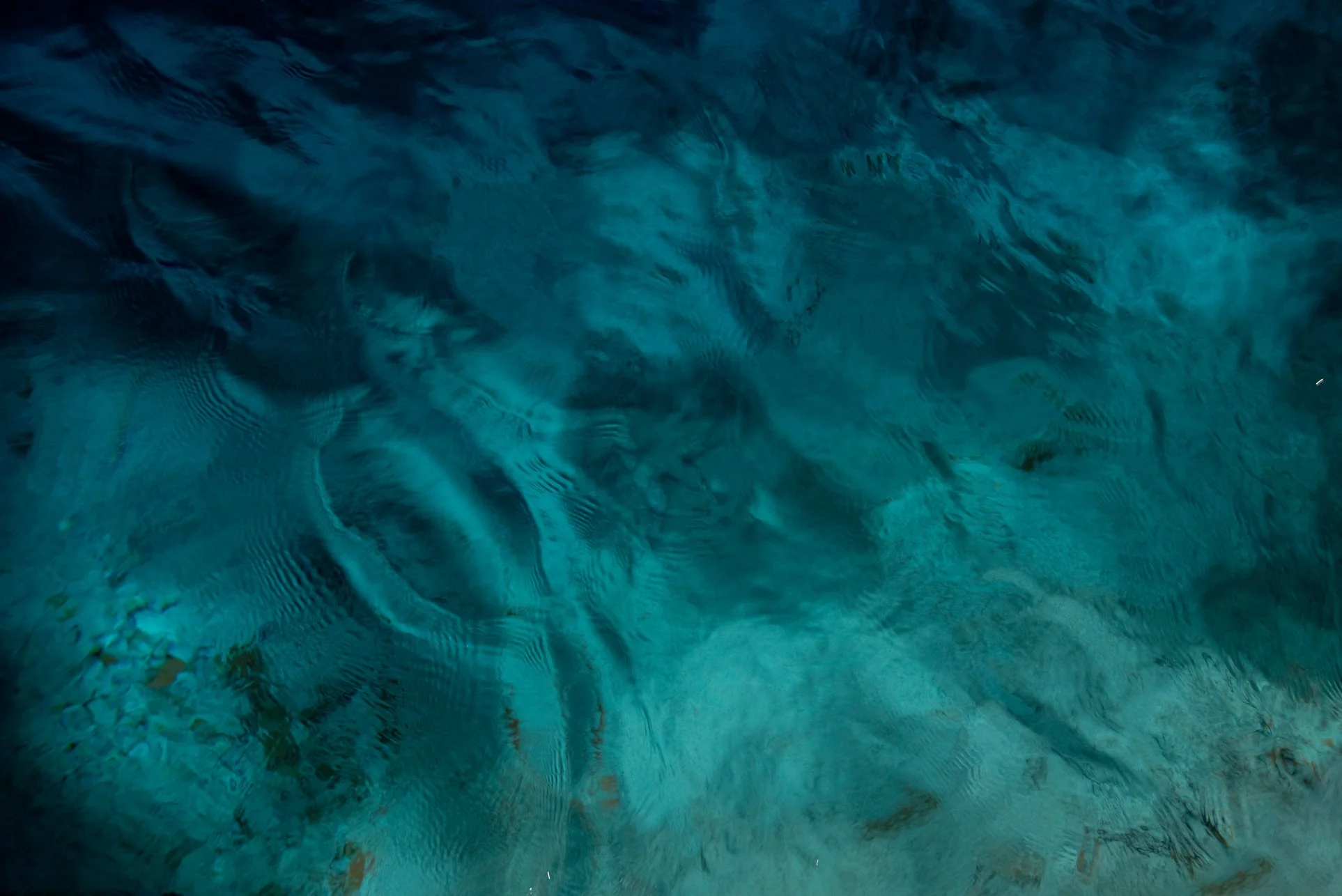
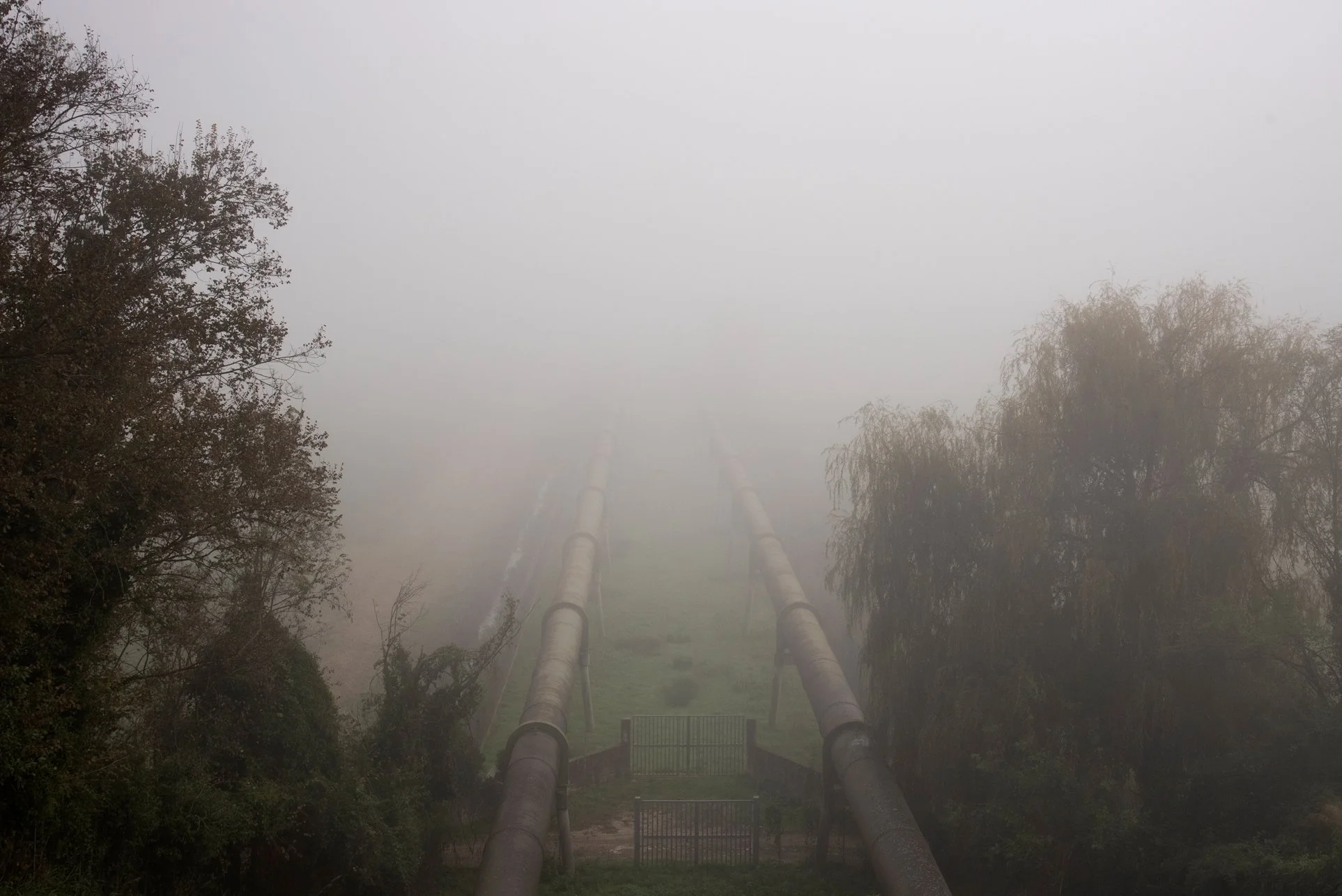
Water reaches cities with apparent ease, yet its journey is complex, flowing underground and across the surface, moving through aqueduct systems that carry it over long distances. Essential to social, cultural, and economic life, water is also central to contemporary environmental debates, calling for broader awareness beyond technical expertise.
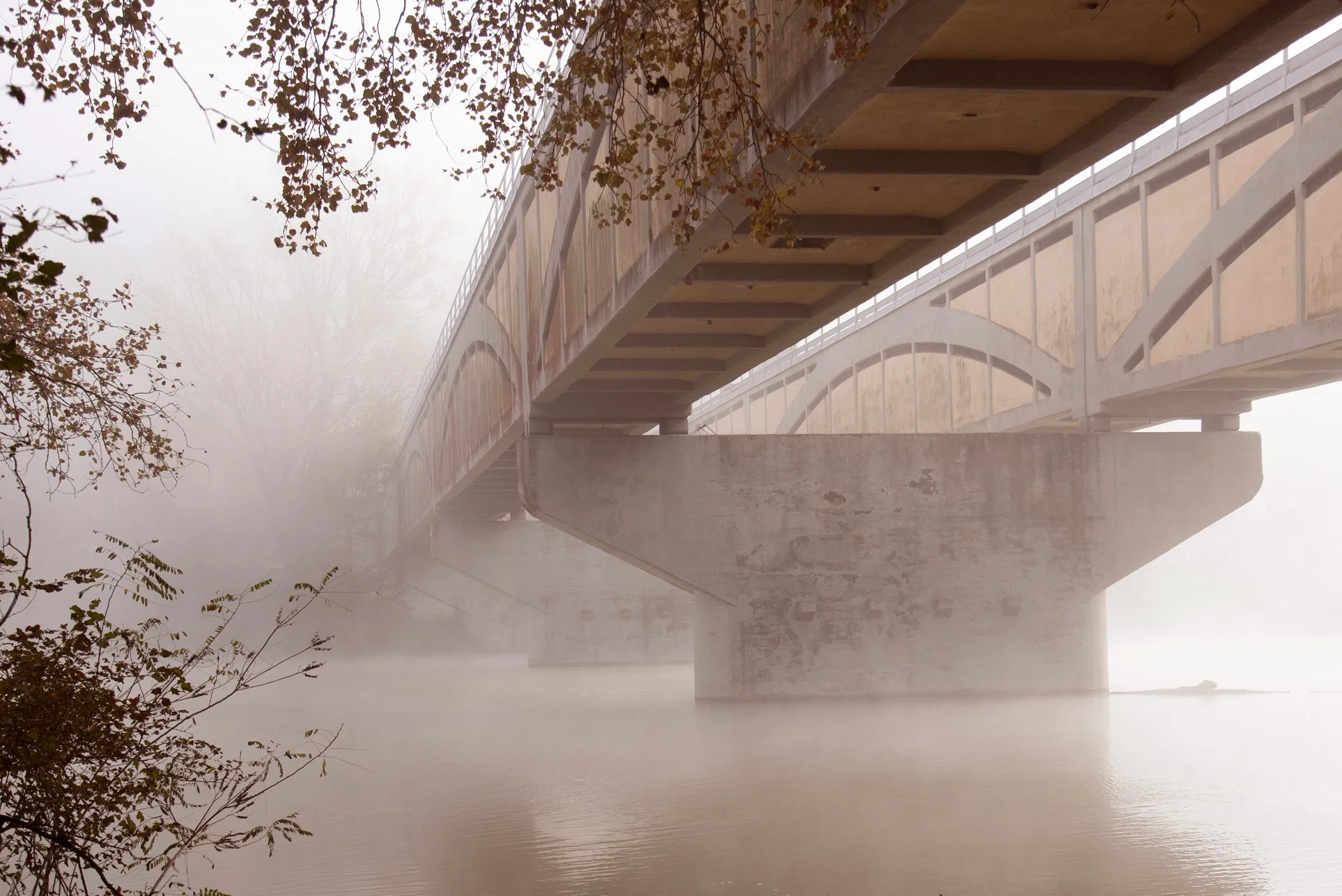
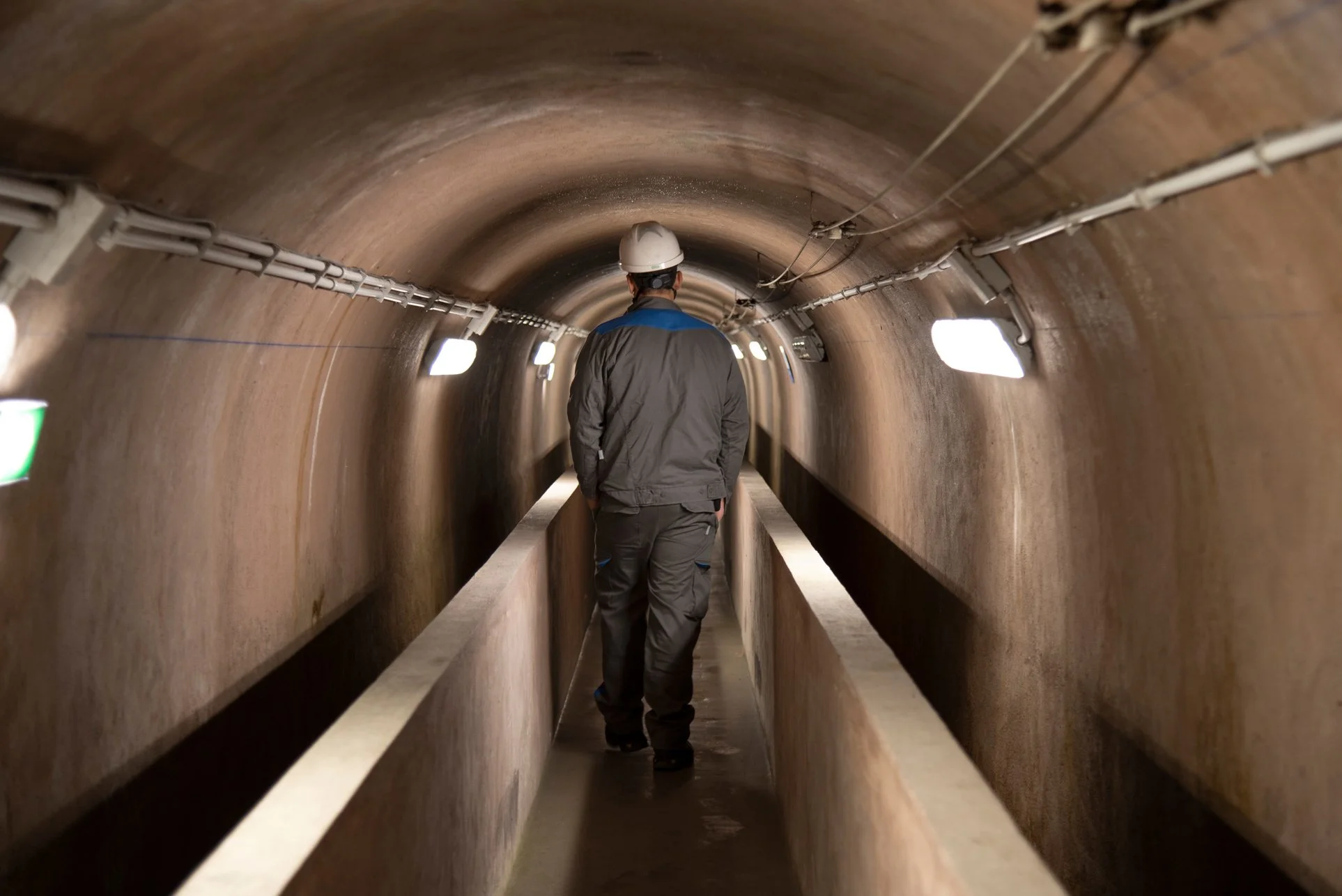
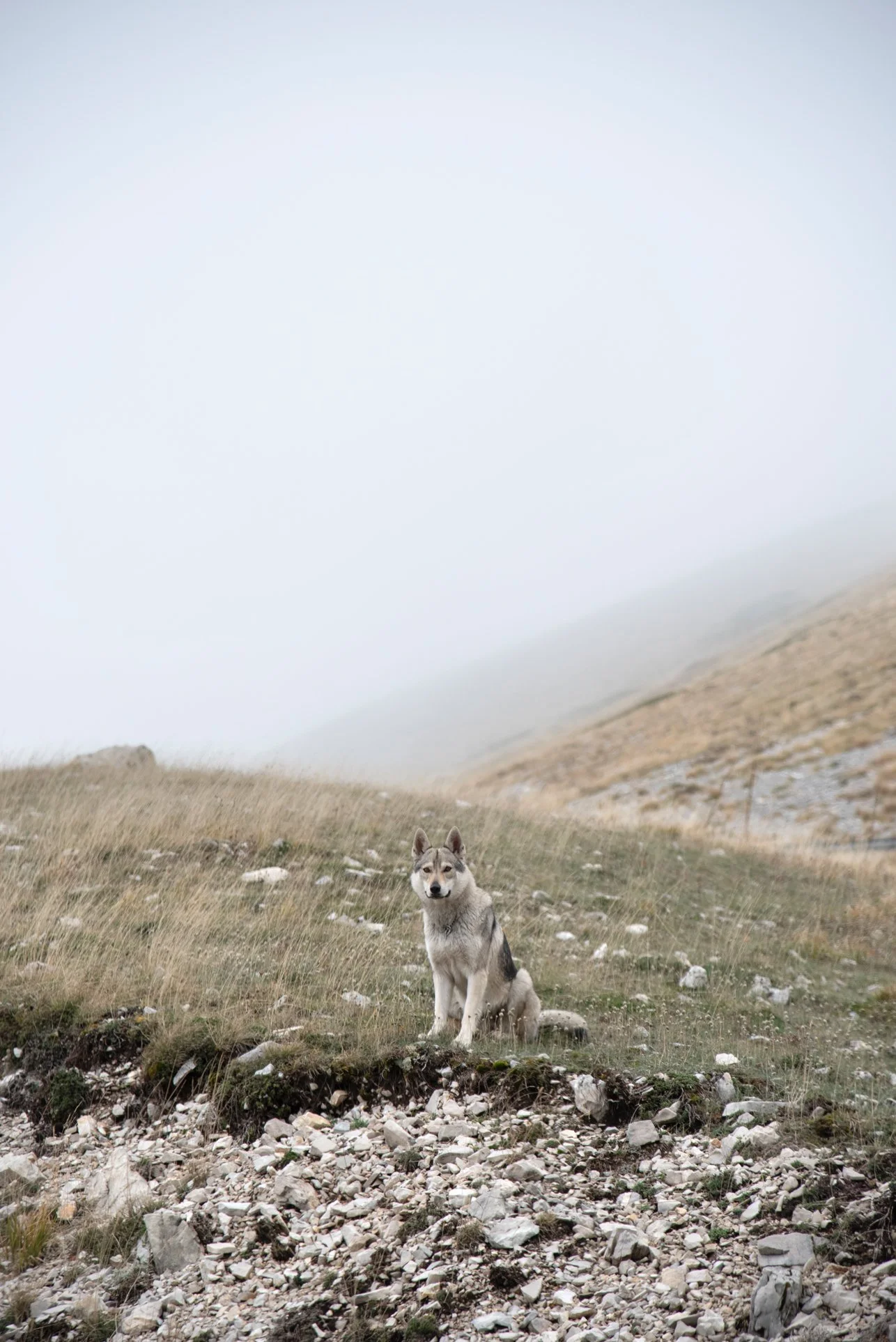
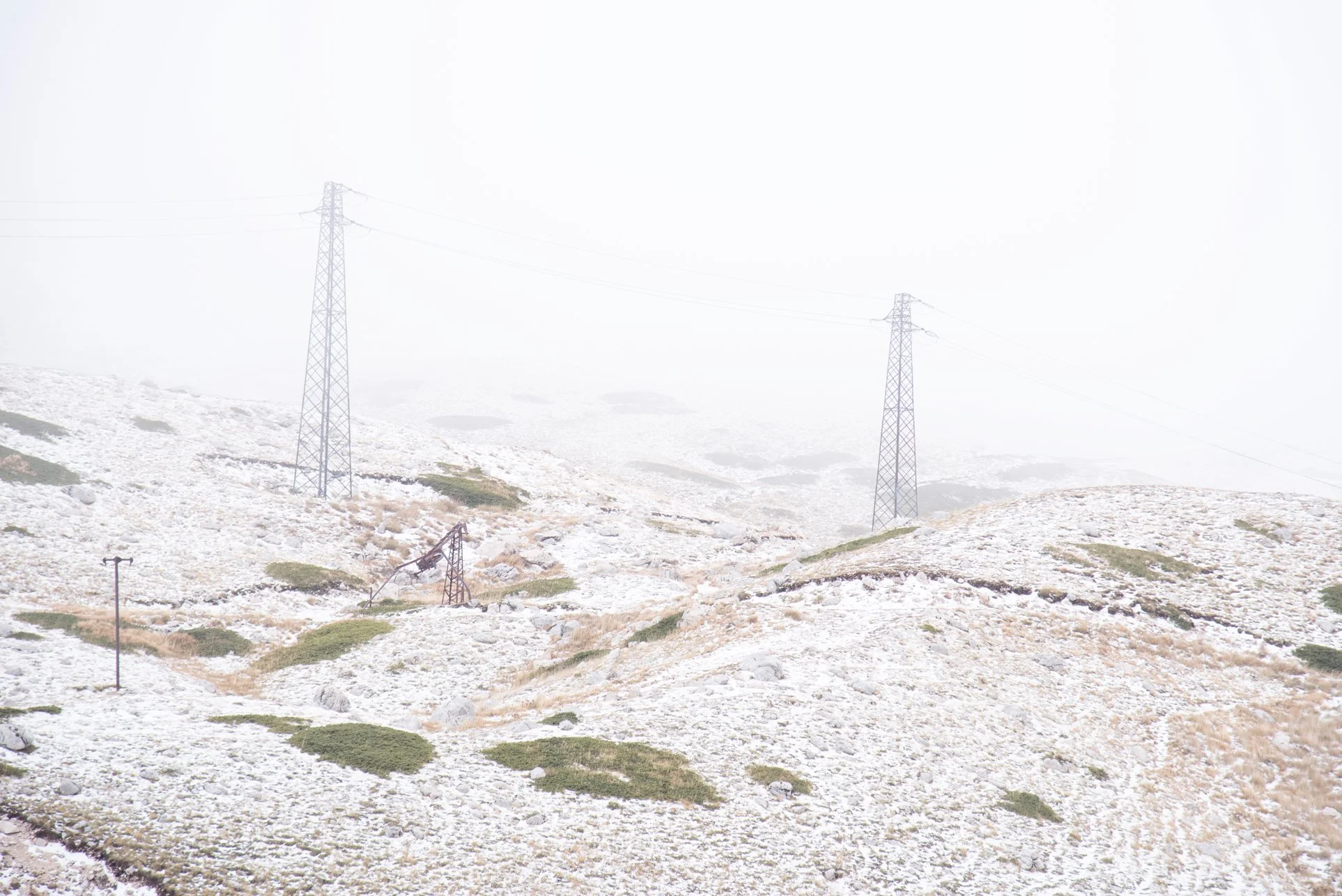
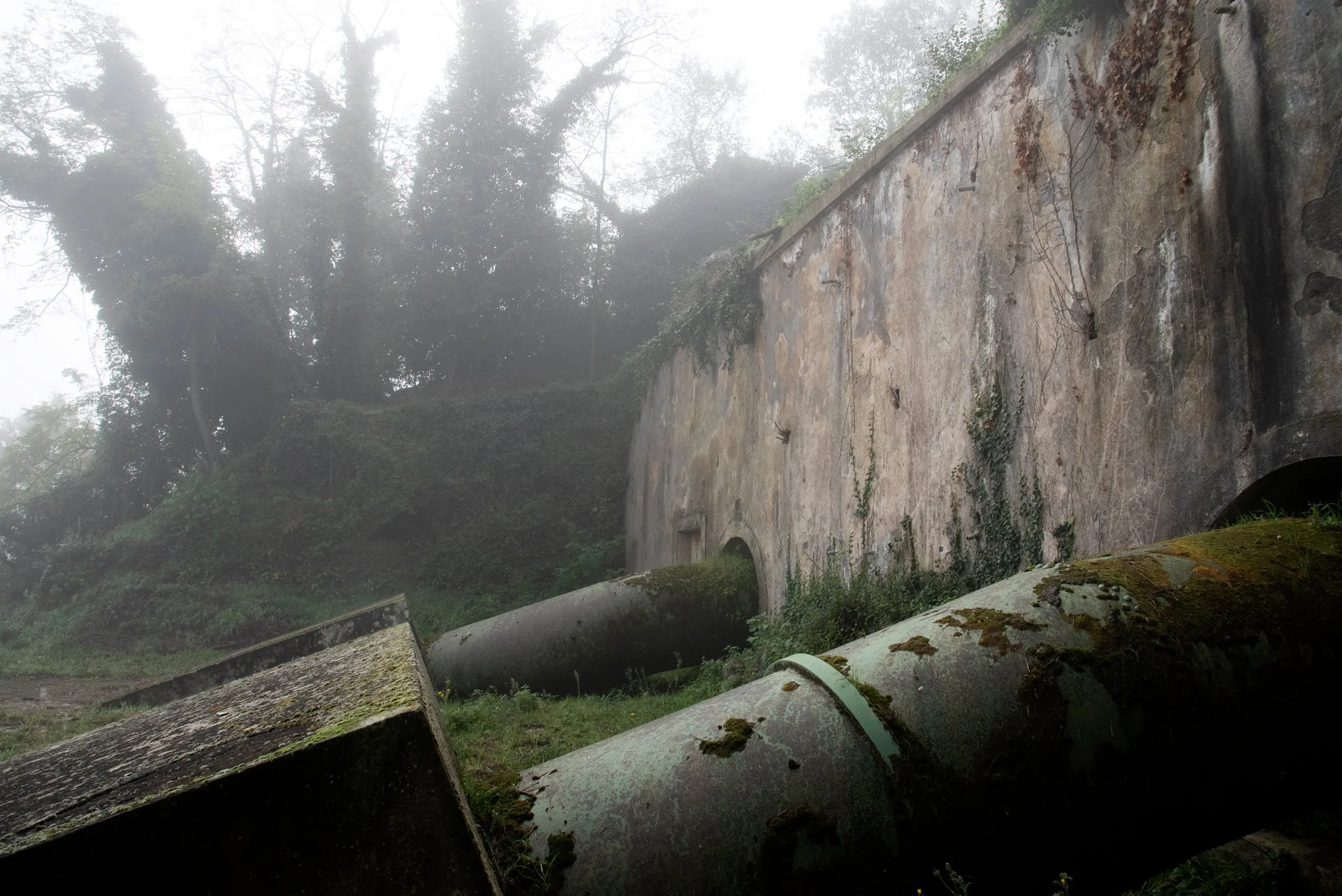
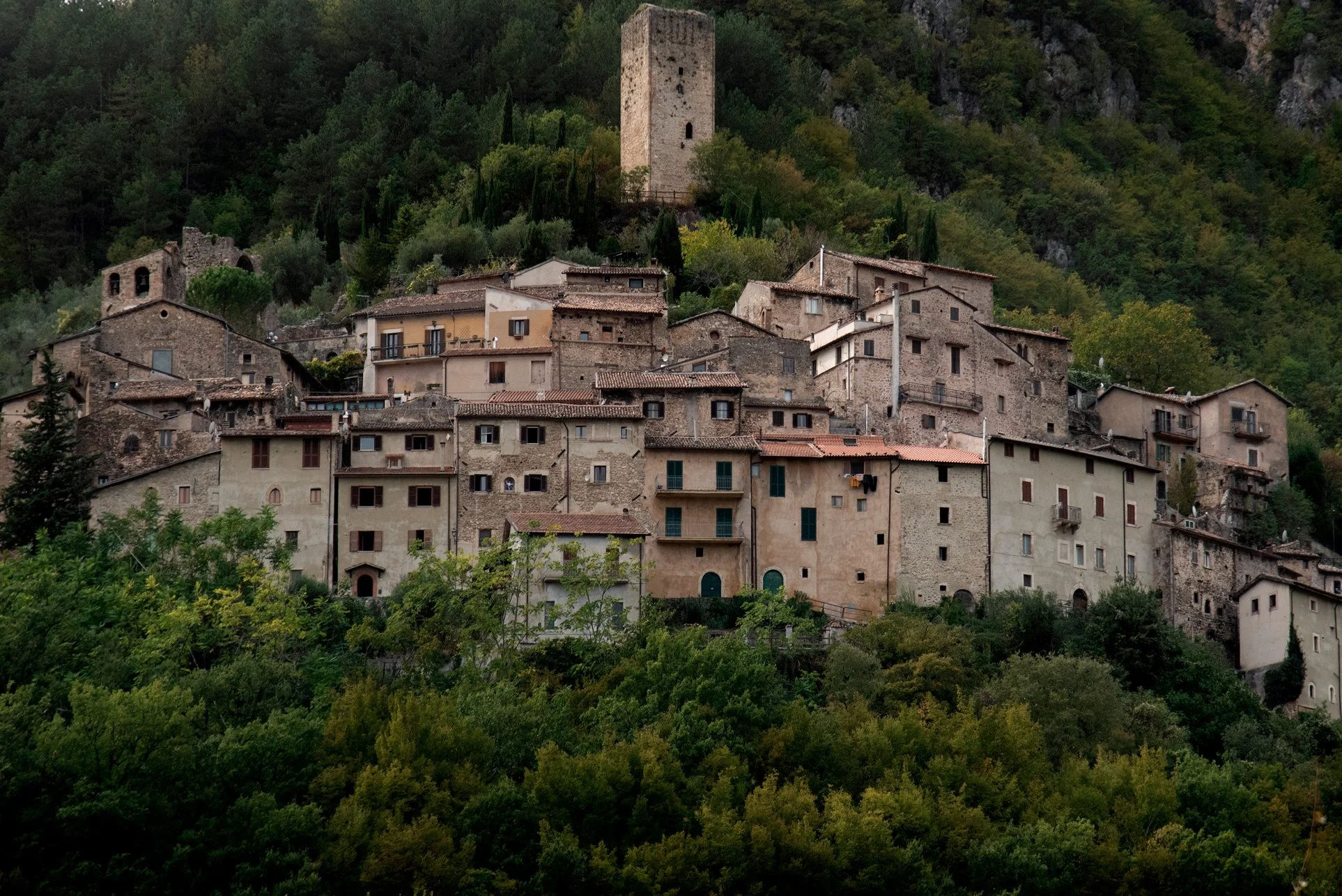
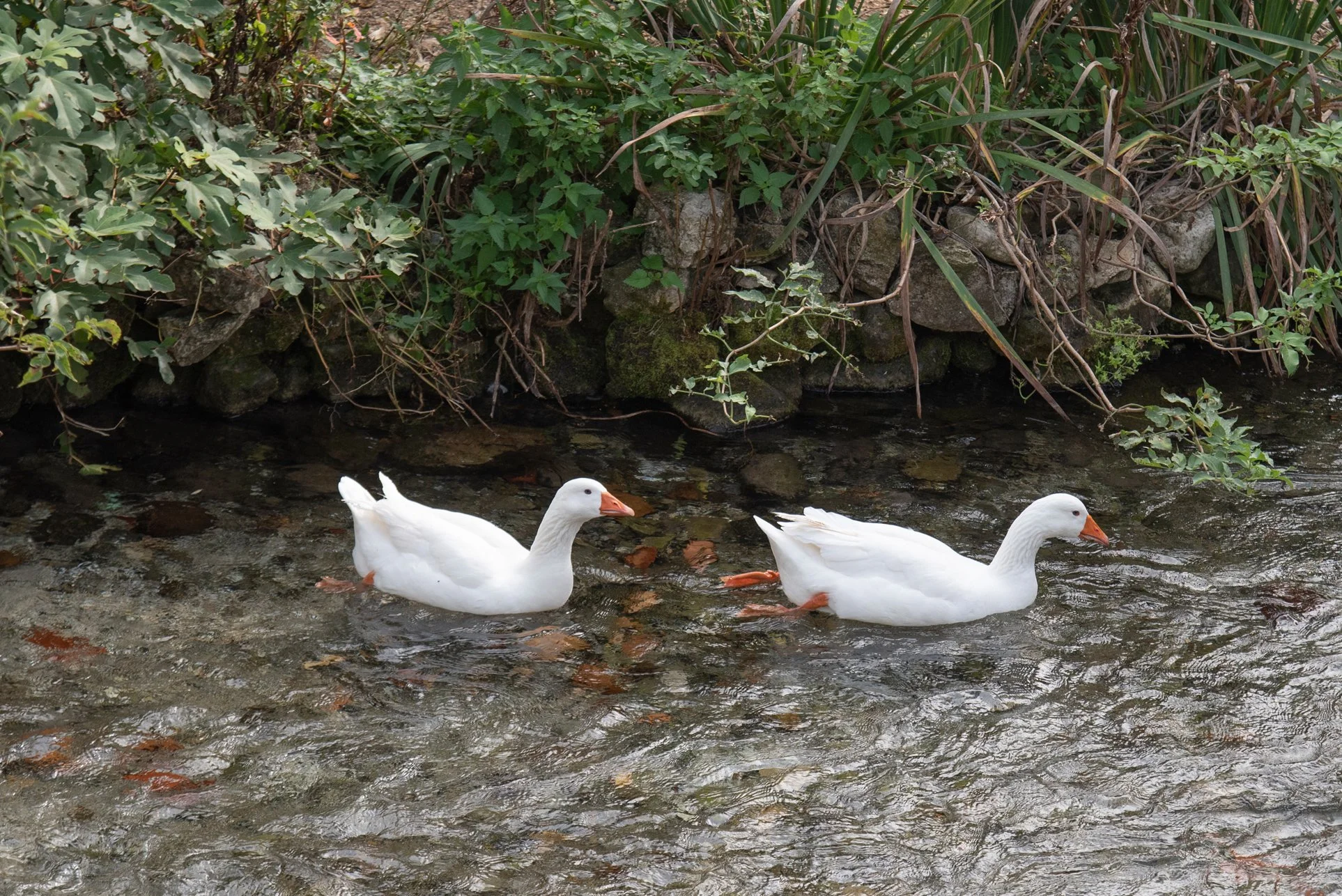
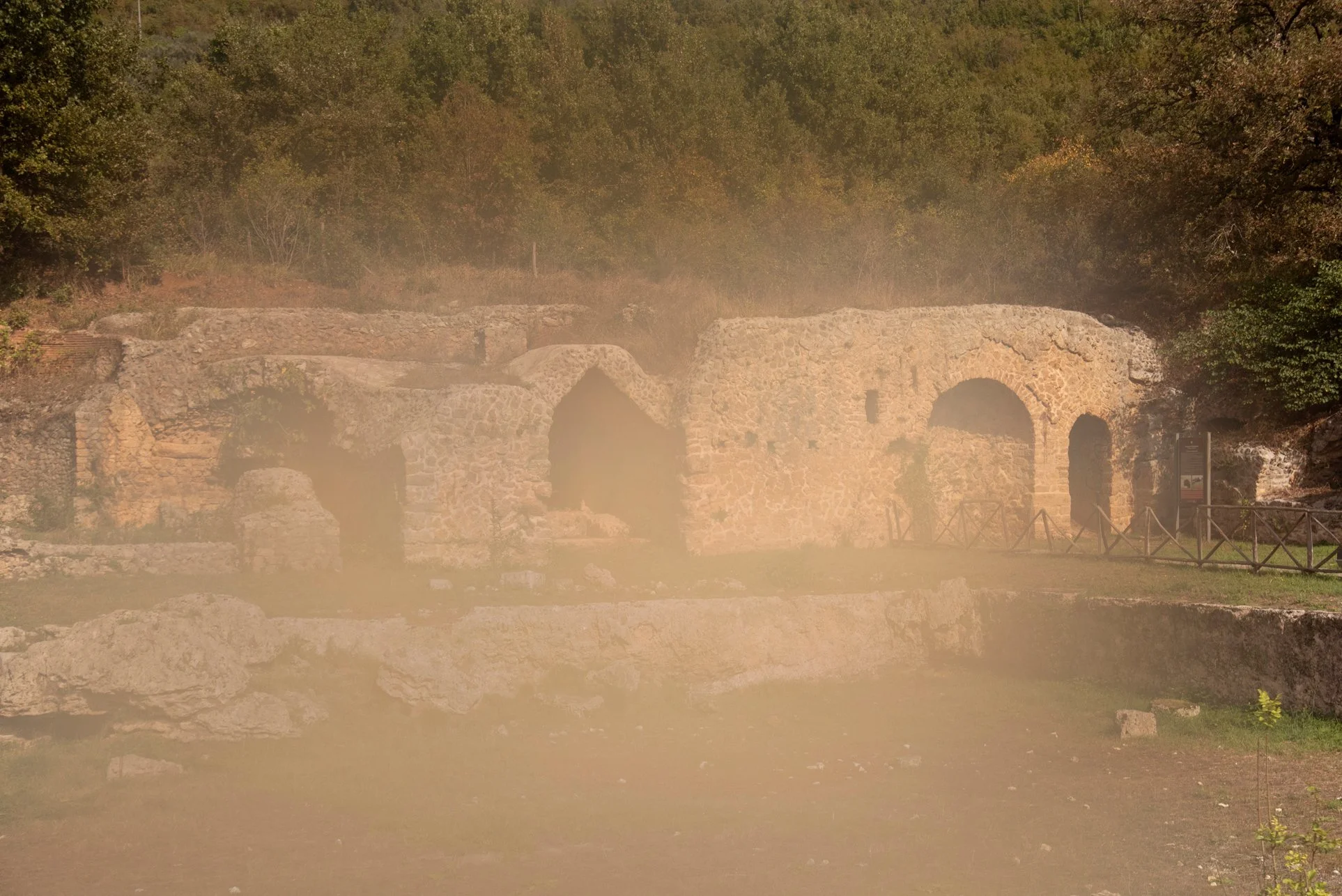
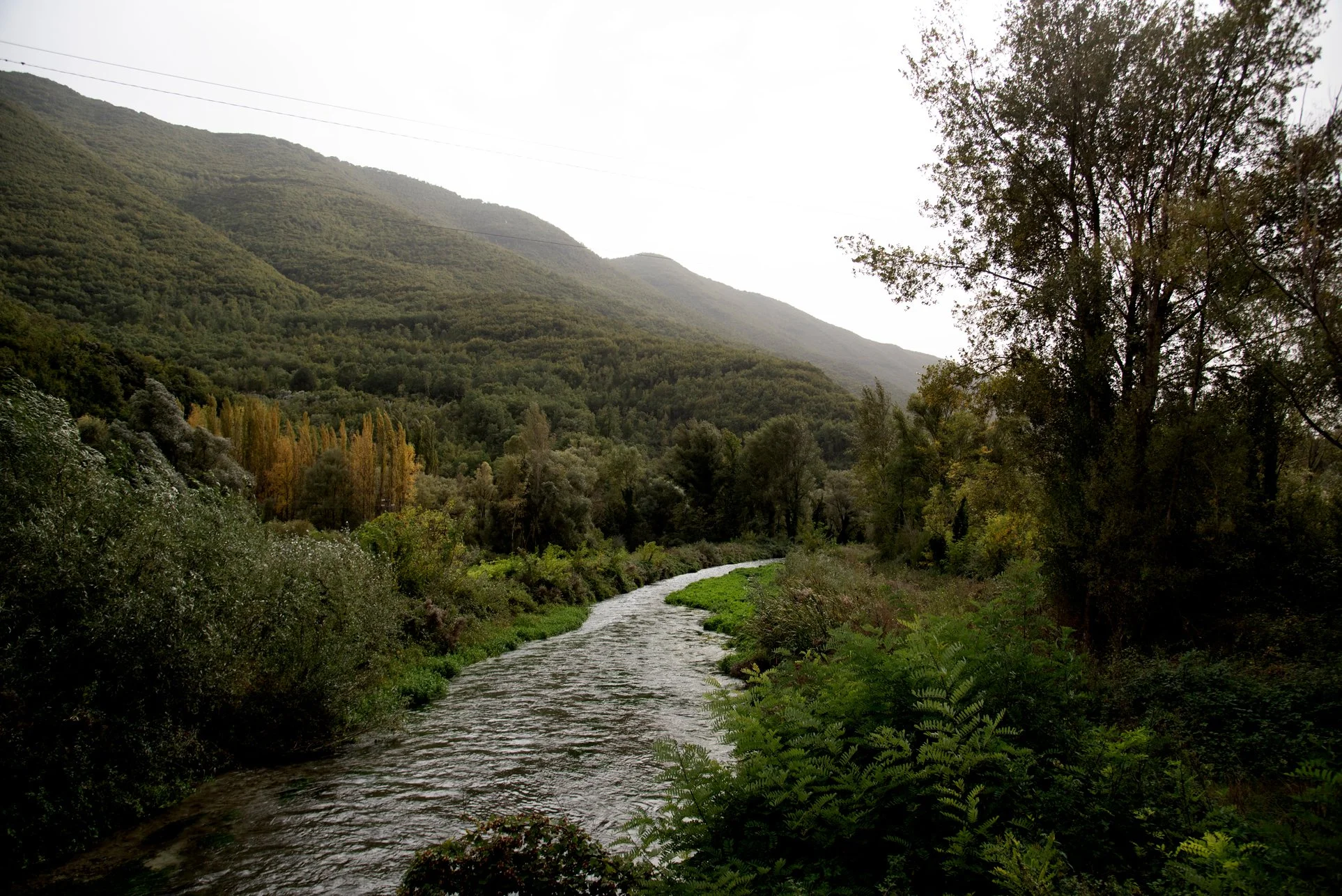
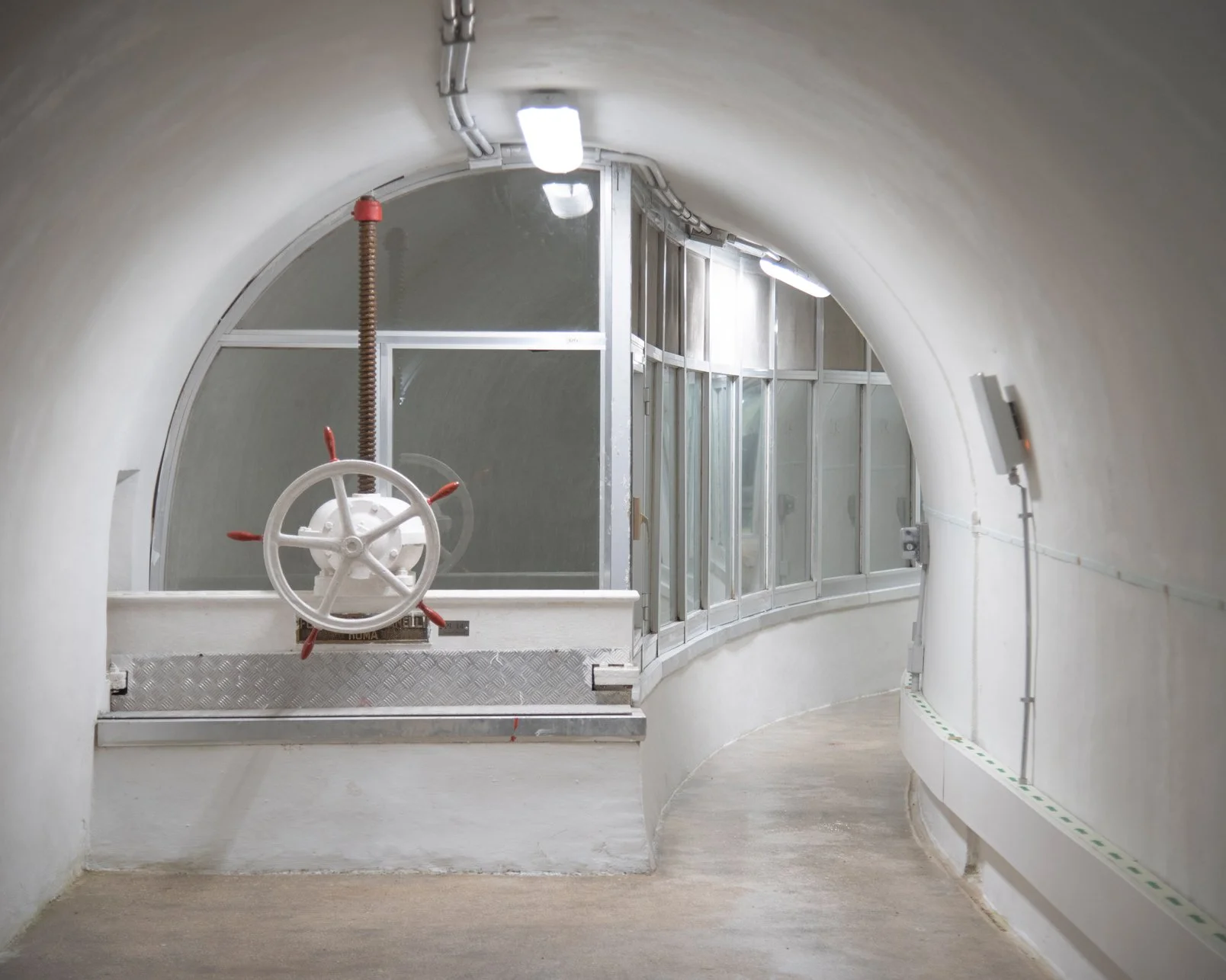
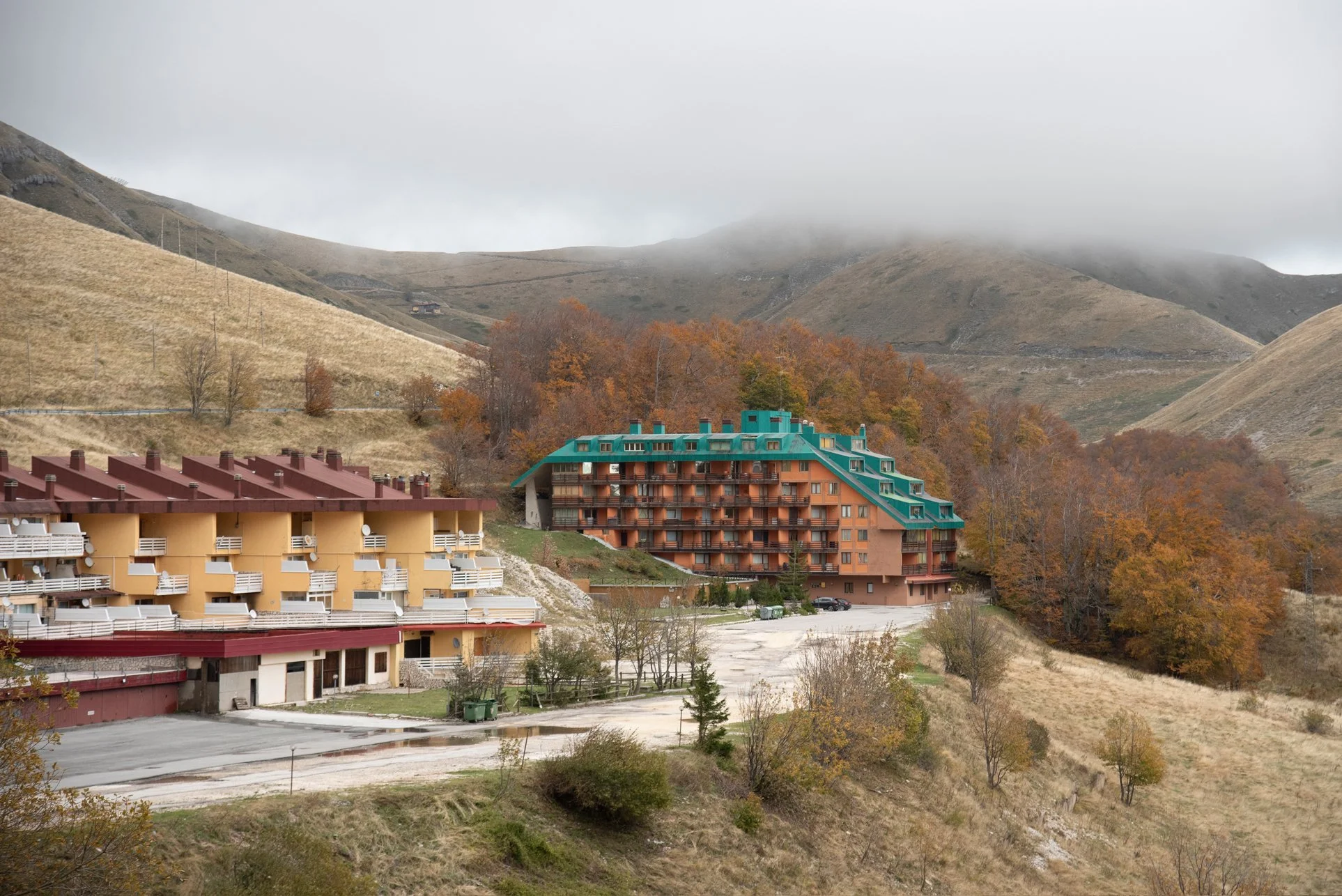
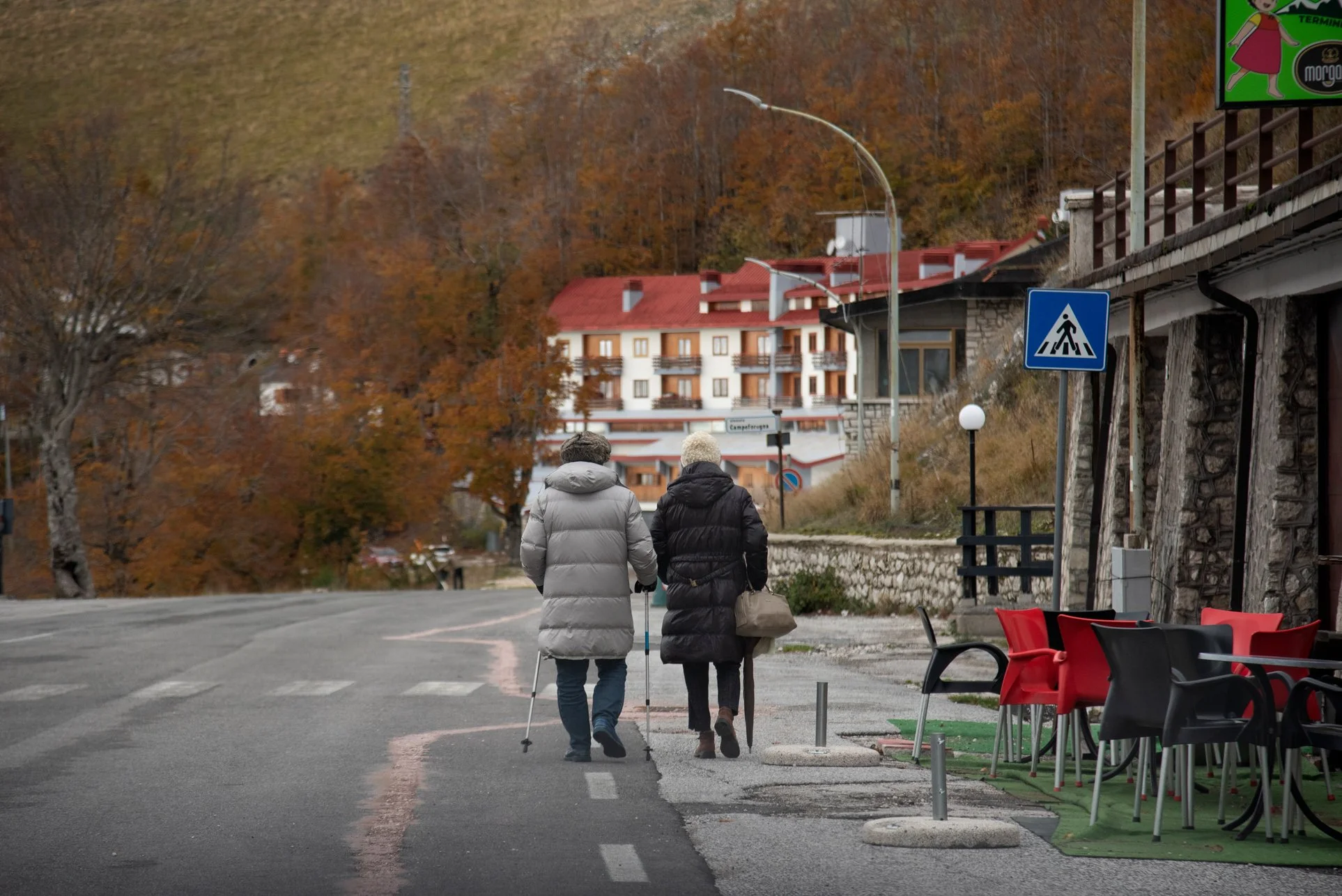
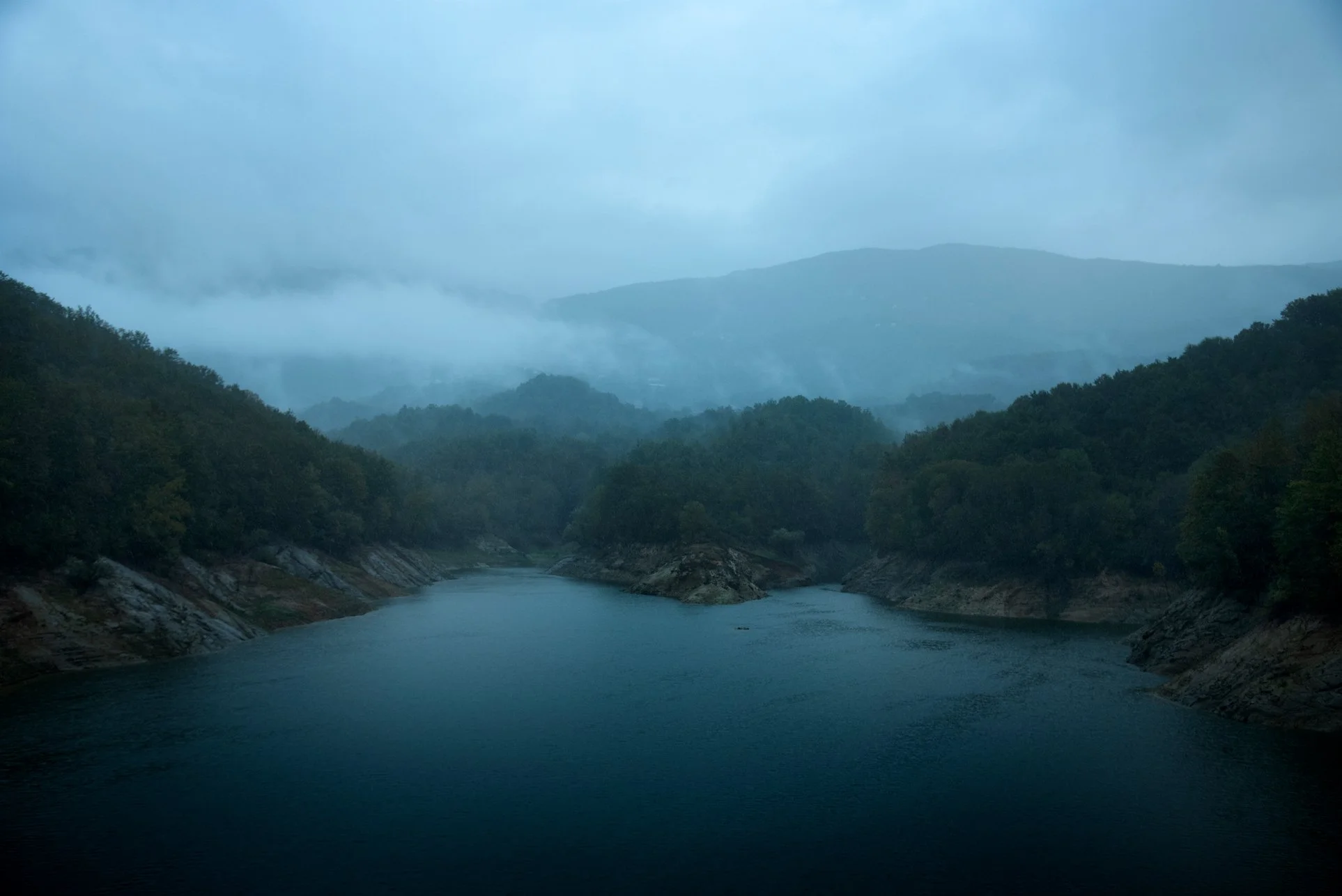
This work follows the route of the Peschiera–Capore aqueduct, a system of over 130 kilometers that channels water from springs in the province of Rieti to Rome. Built in the early twentieth century to respond to rapid urban growth, it still supplies a large portion of the city’s water today. The springs, located at the foot of Mount Nuria, feed a network that crosses multiple towns before reaching Rome.
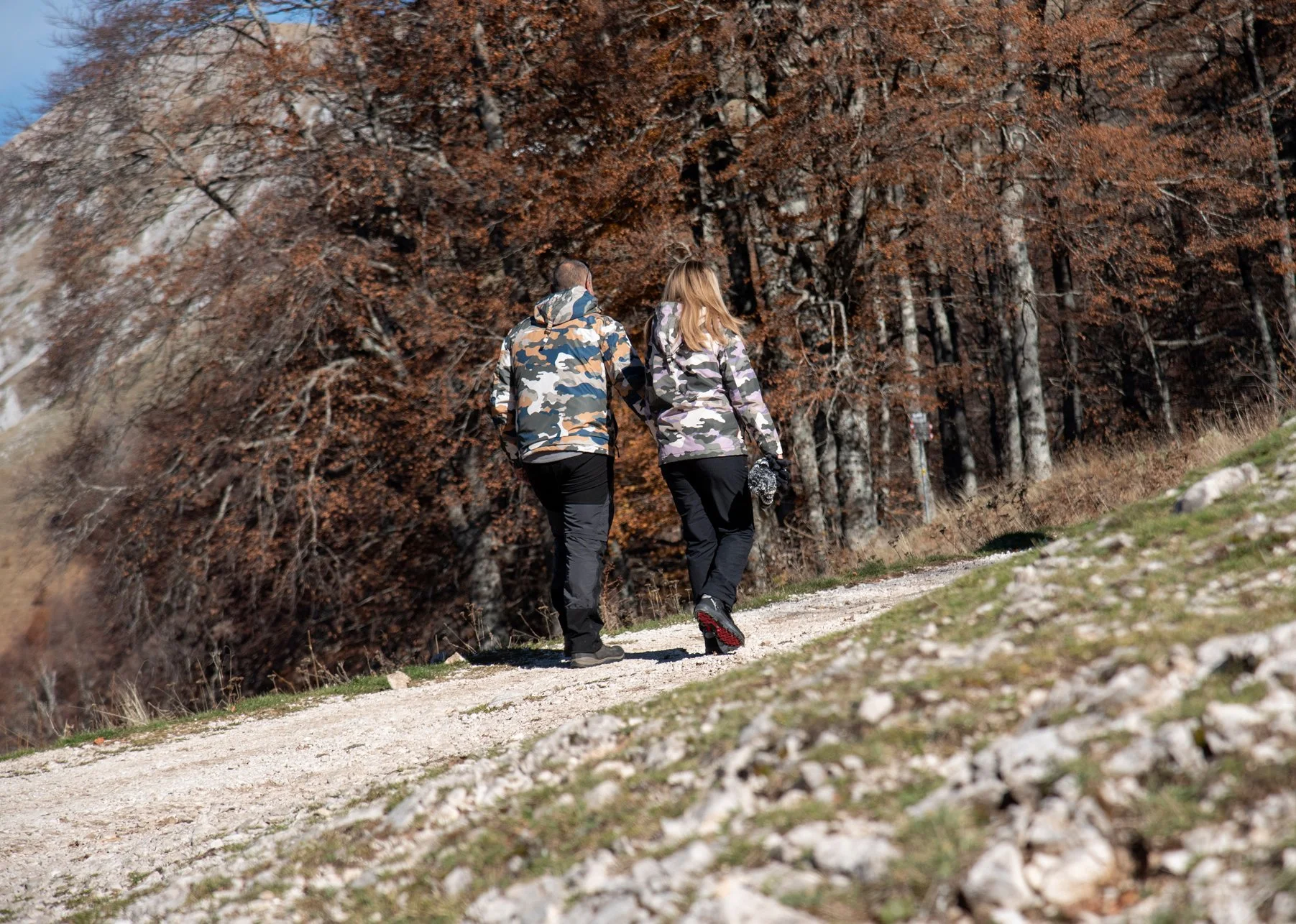
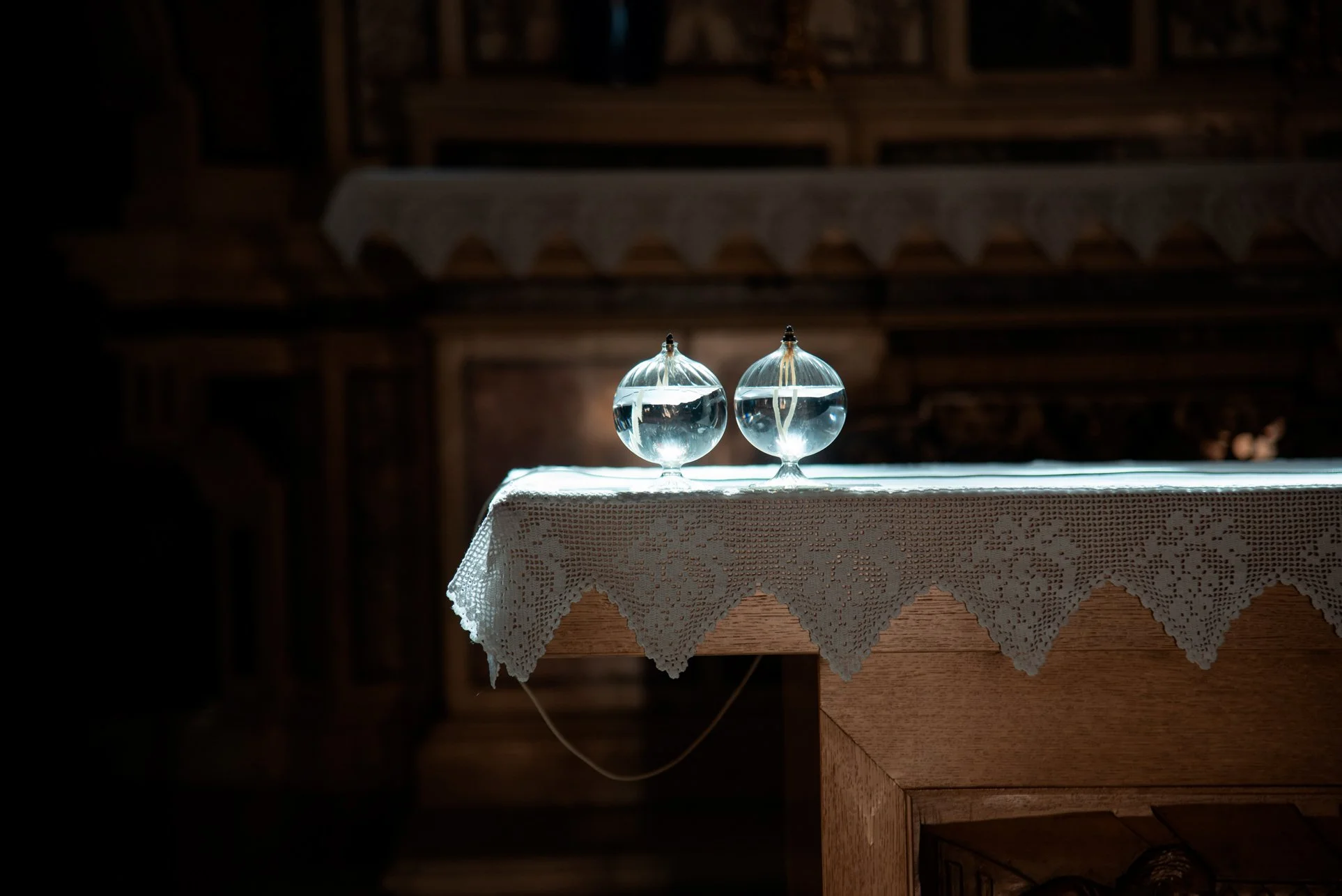
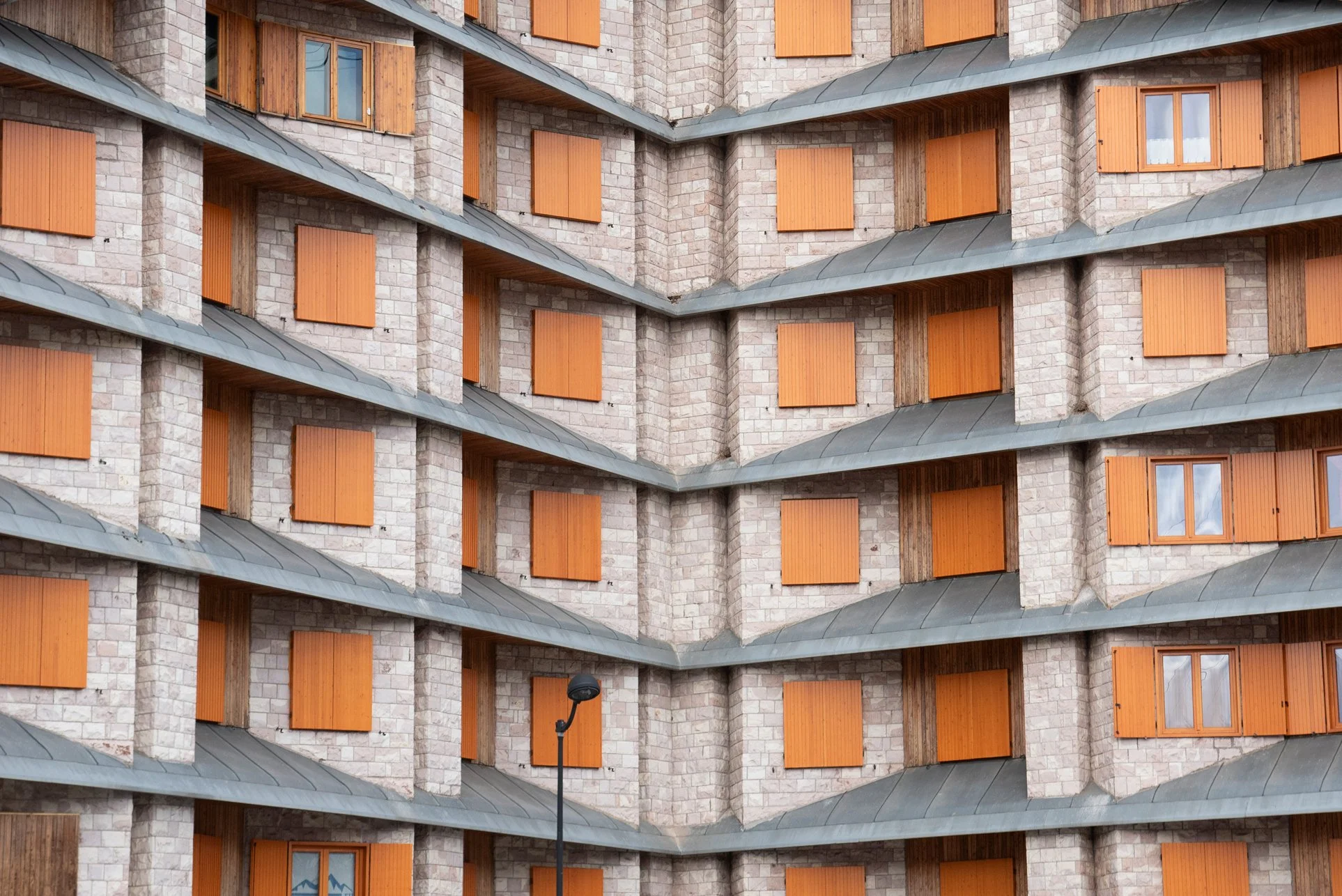
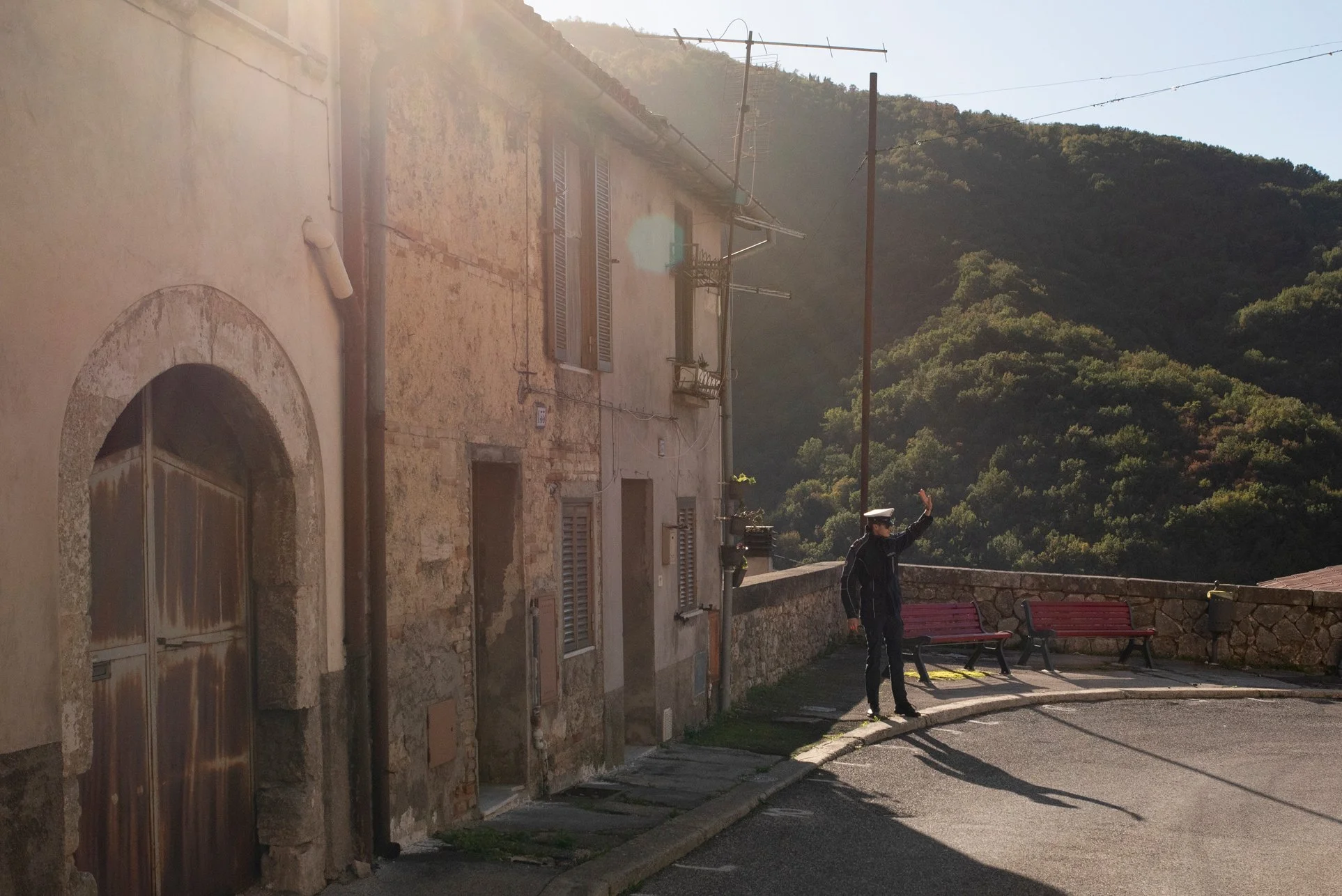
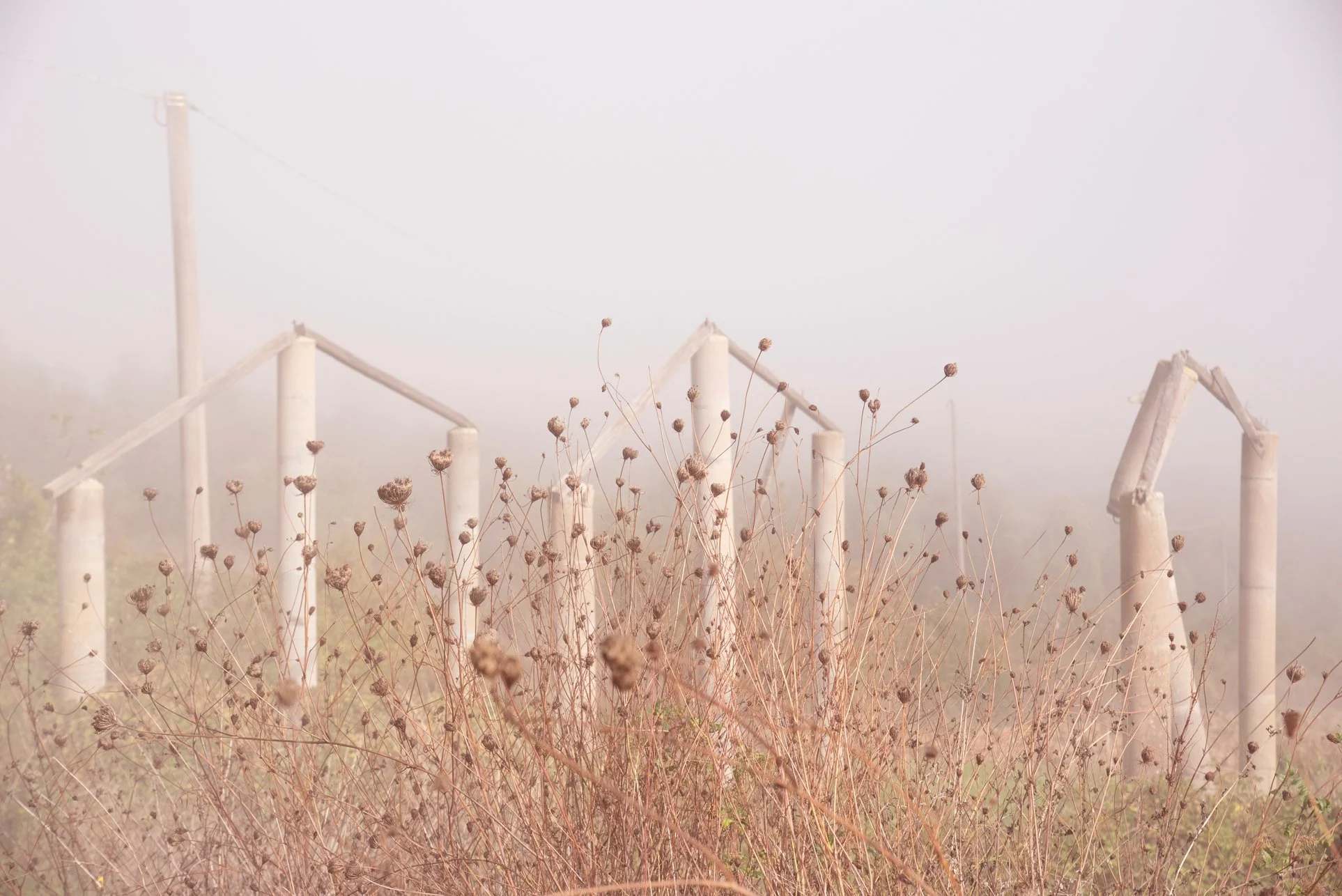
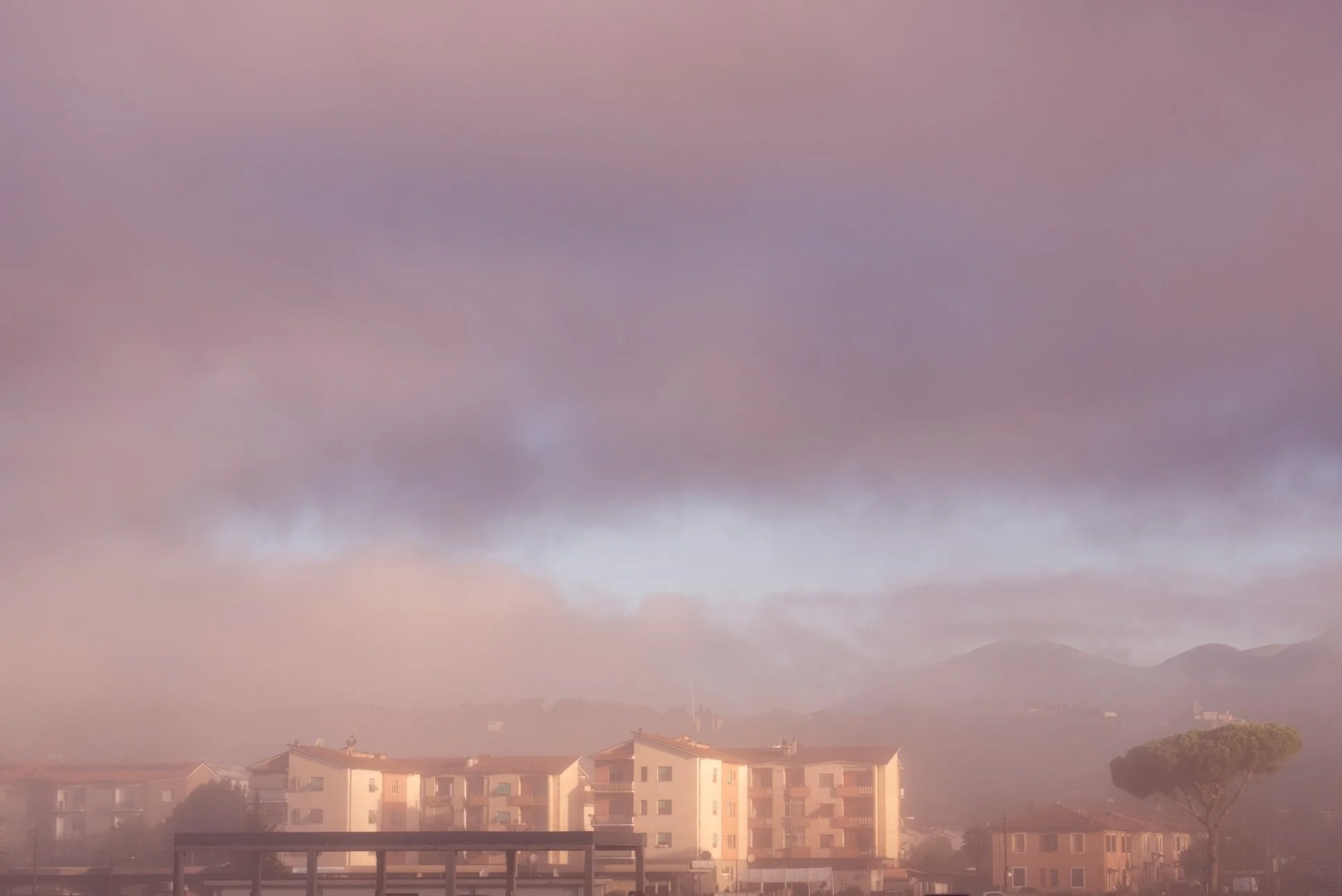
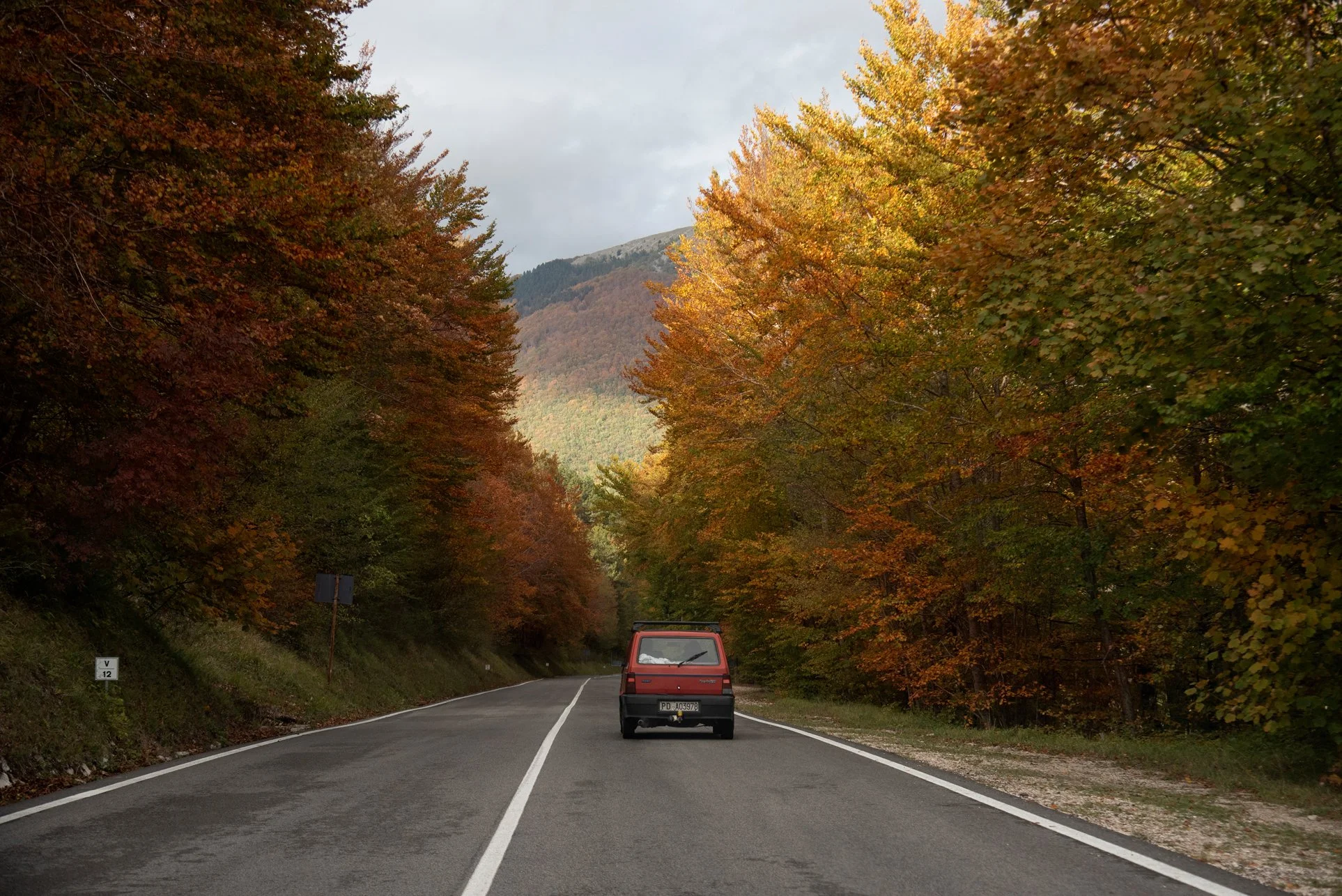
Produced as part of a commission with Acea, this photographic project traces that path, moving across territories and infrastructures. The journey unfolds like a secular pilgrimage through what is often described as the “blue heart” of Italy, a region defined by the abundance of water.
Beyond its physical presence, water suggests a temporal dimension. As Heraclitus observed, one cannot step into the same river twice. Everything is in flux. Water reshapes what it encounters and leaves its trace over time.
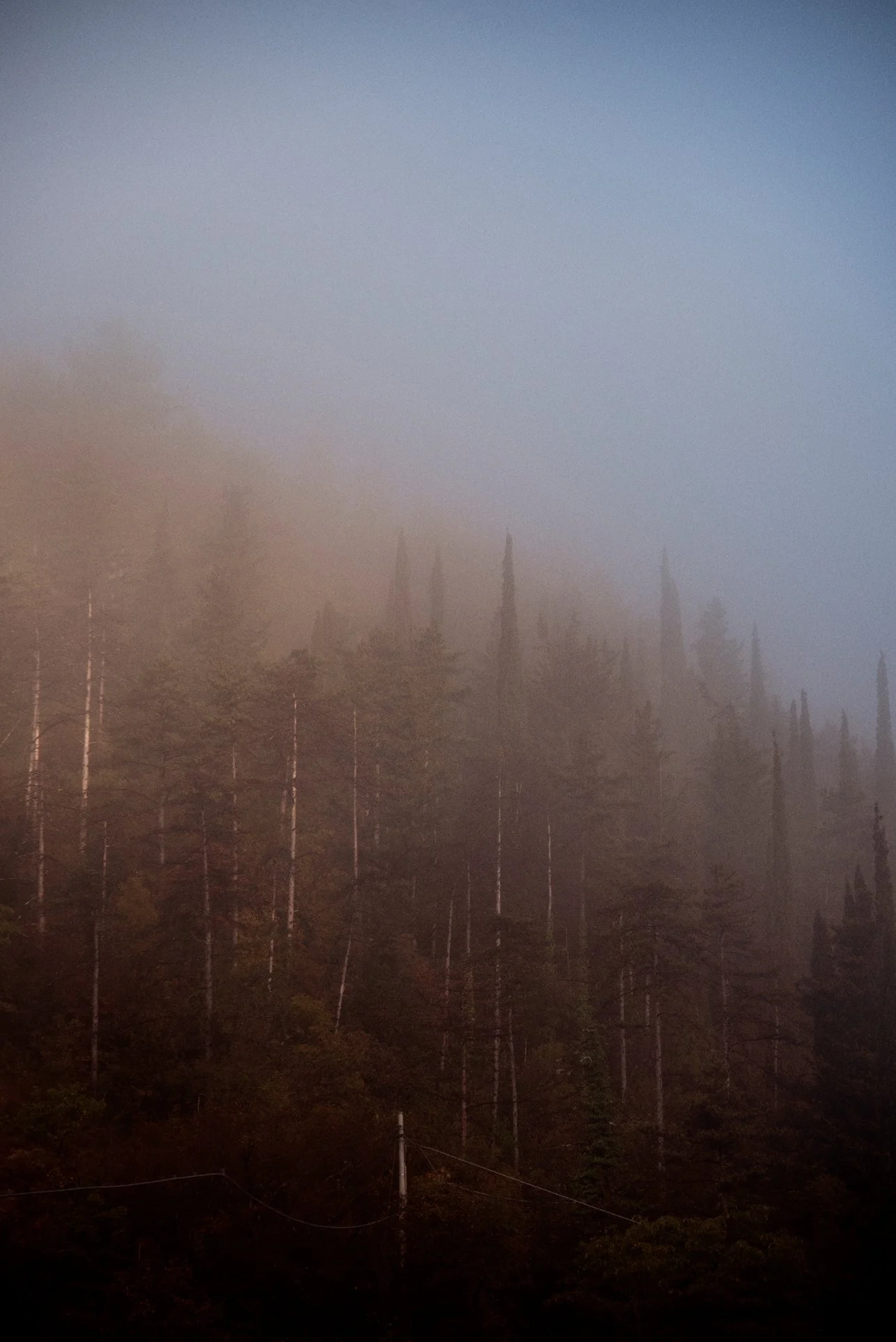
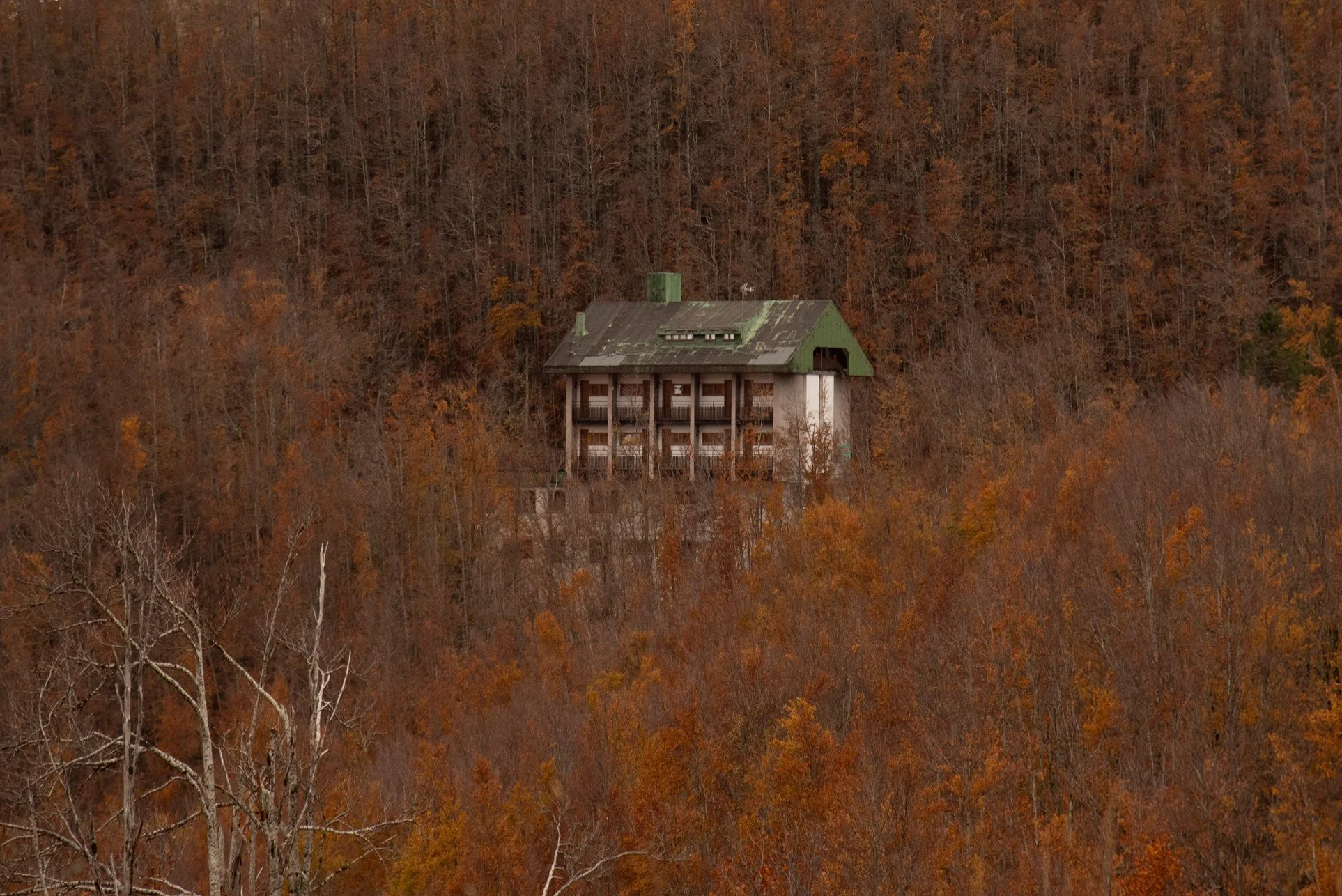
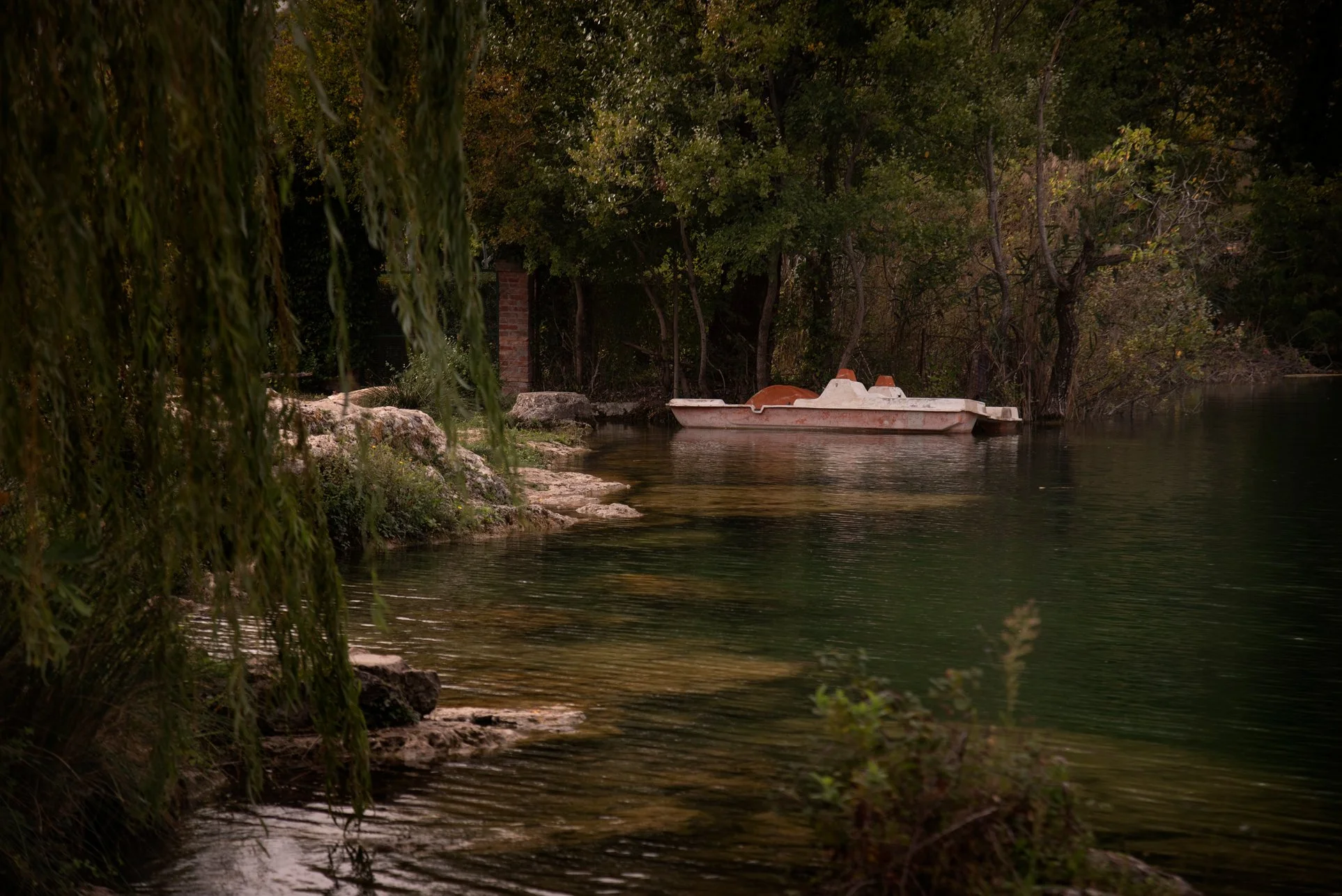
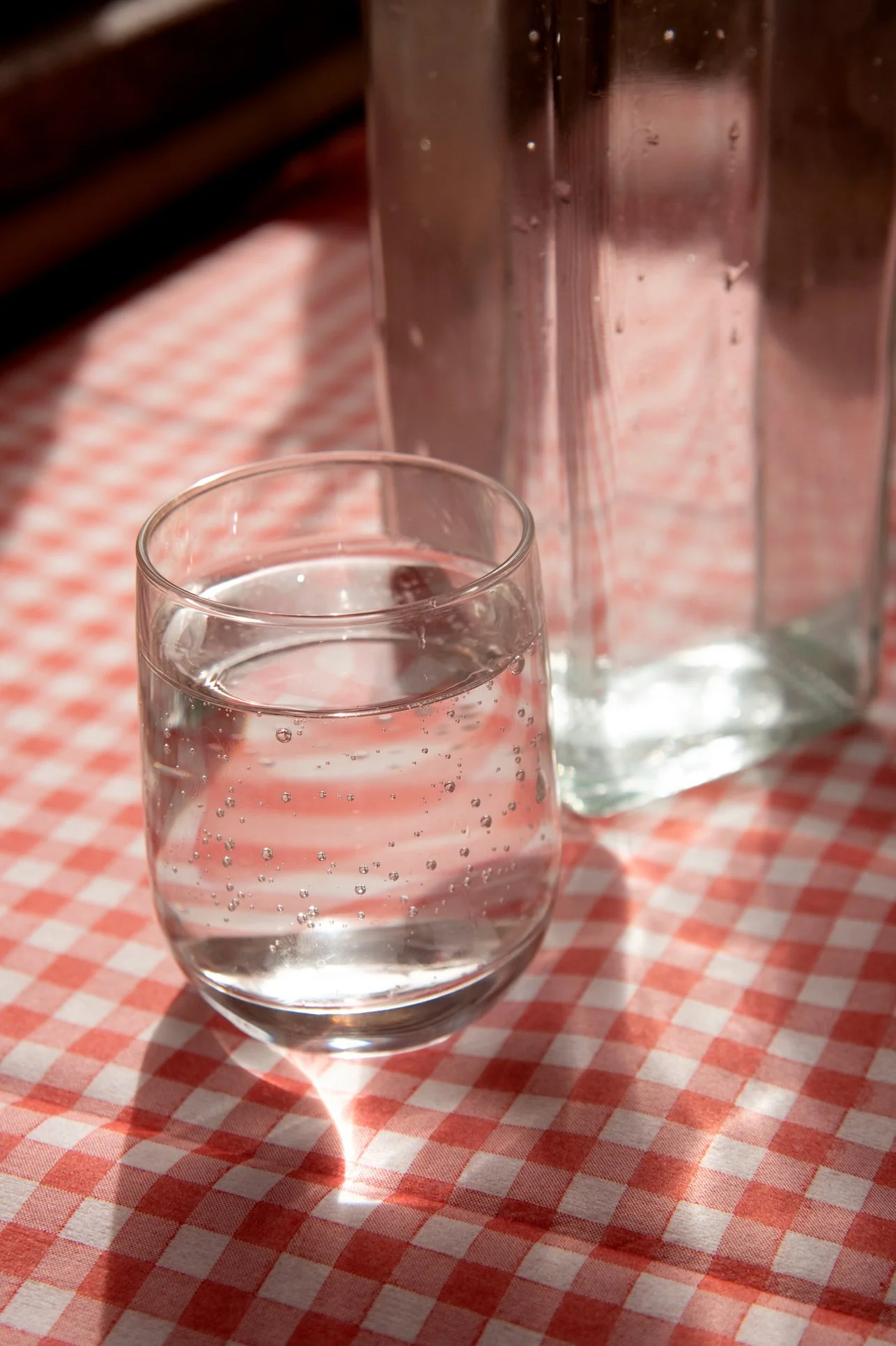
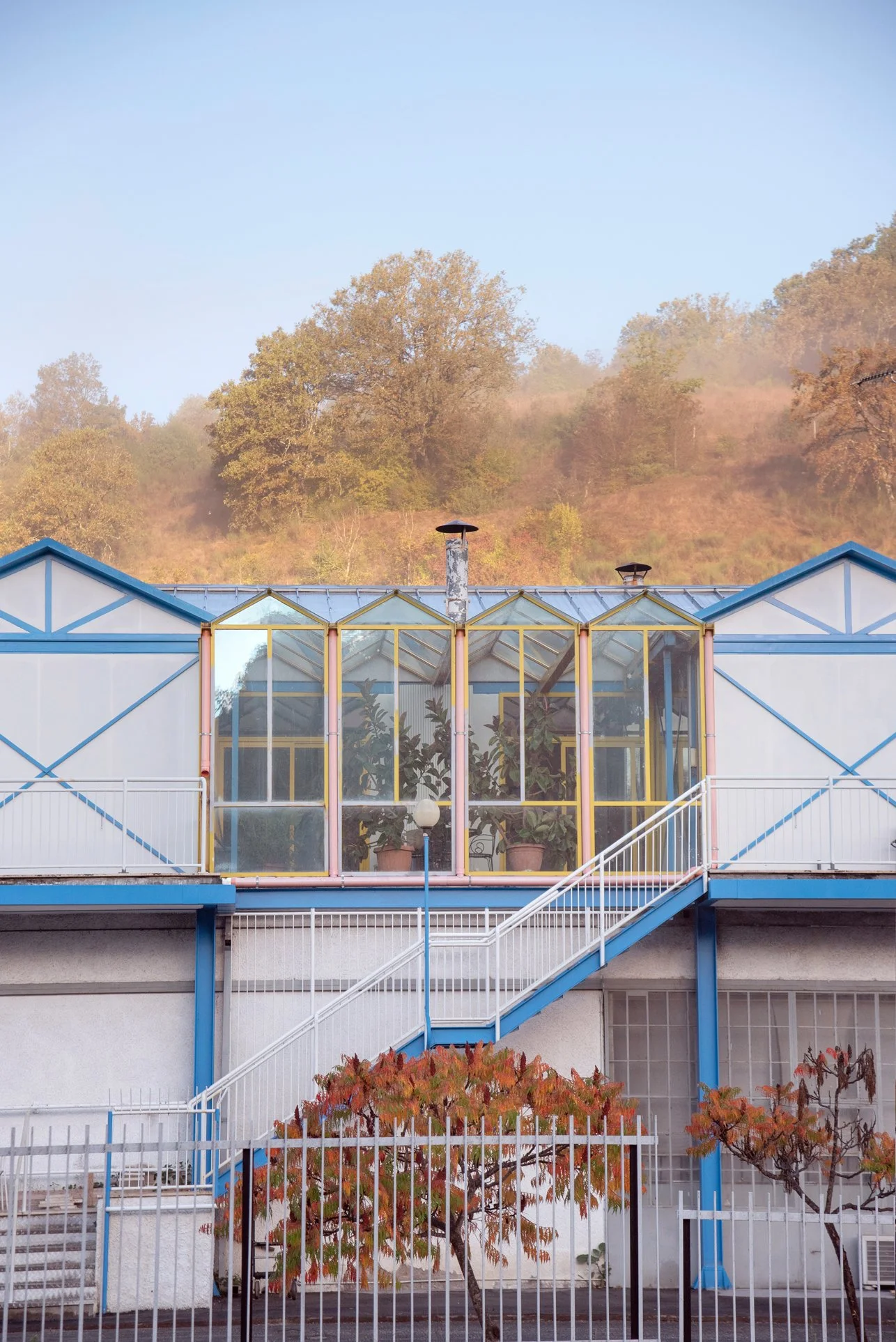
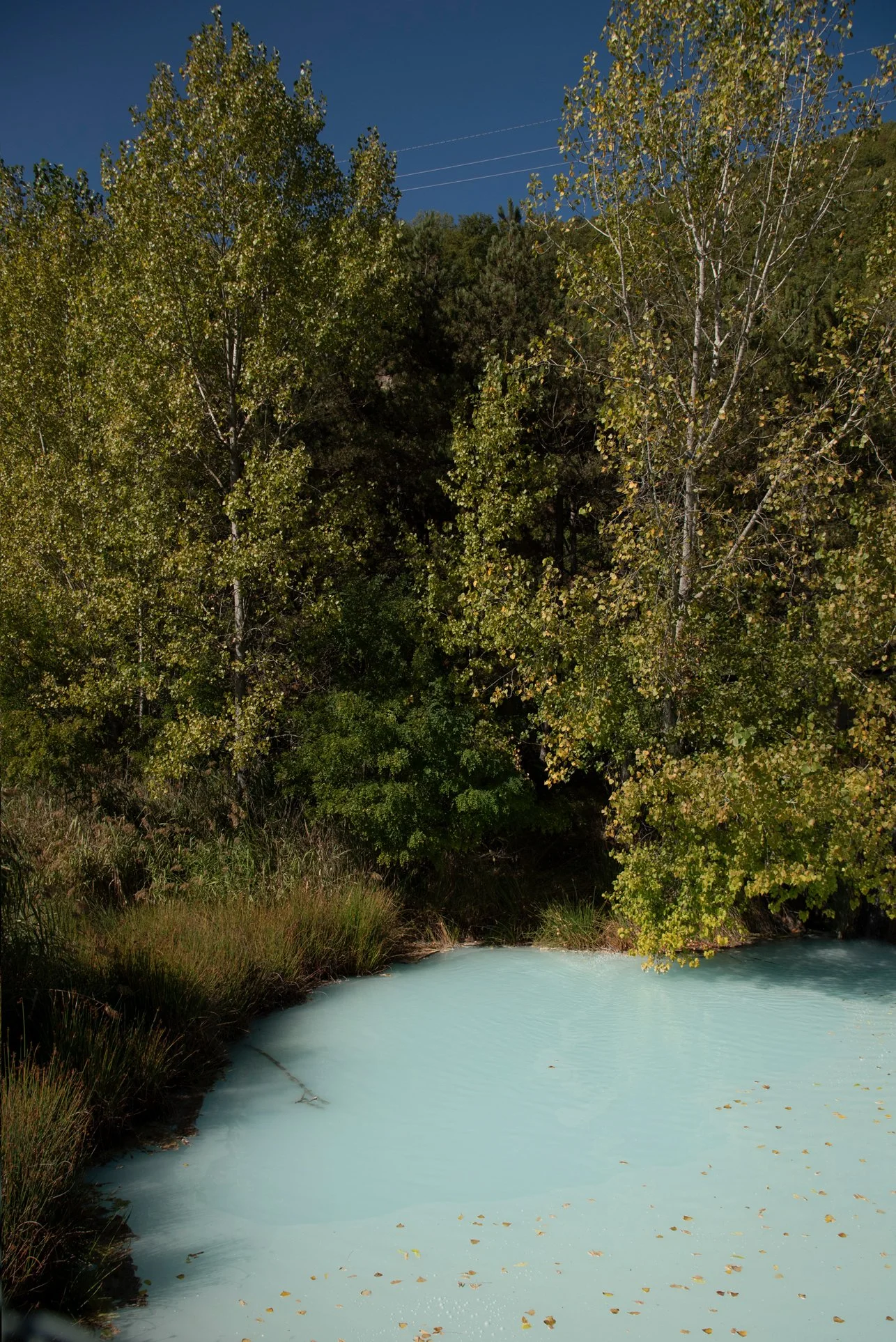
Its presence is also visible in the changing seasons: in dense vegetation fed by underground flows, in the shifting colors of foliage, in winter snow that becomes a reservoir, and in the clarity of the water itself.