Drought in California
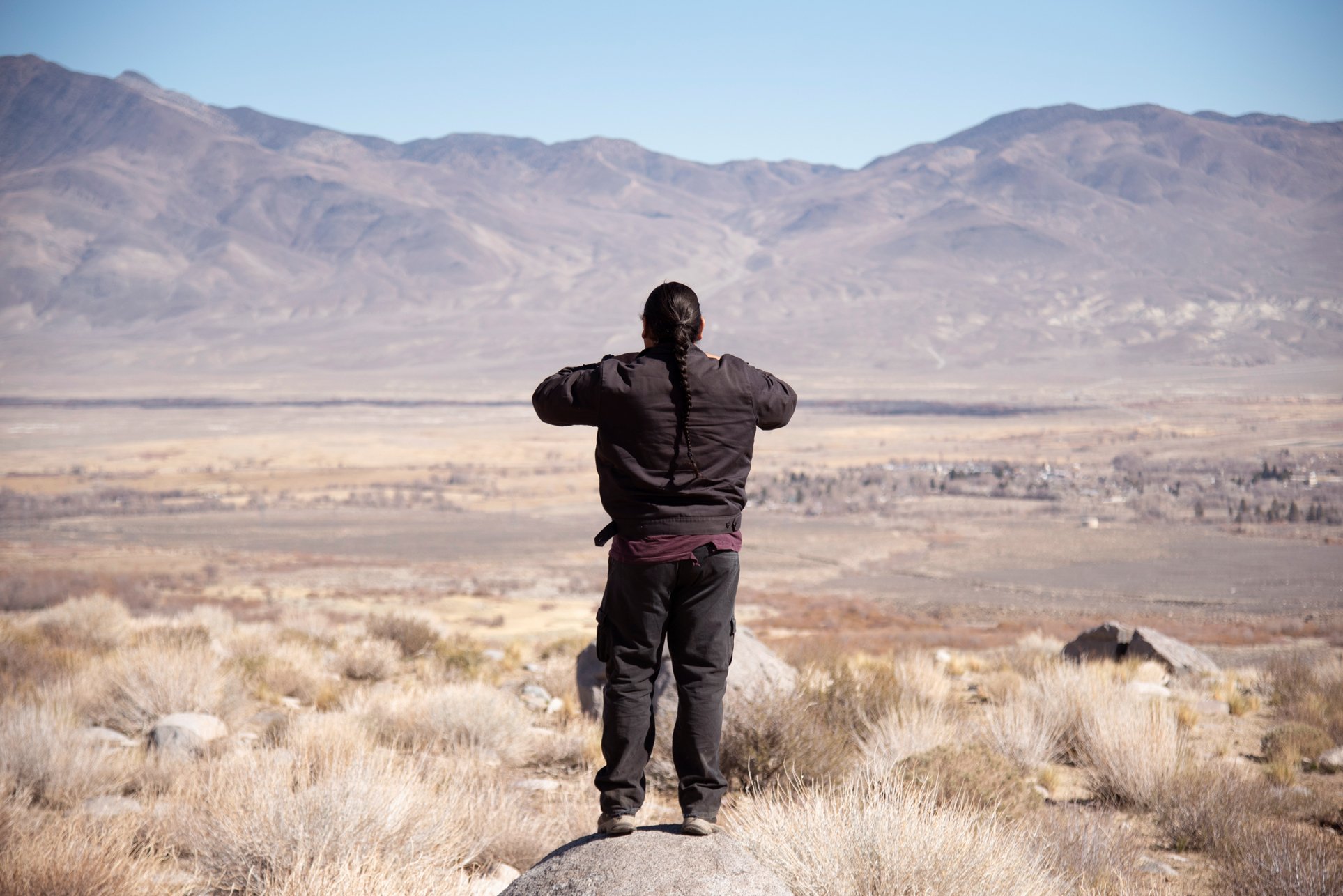
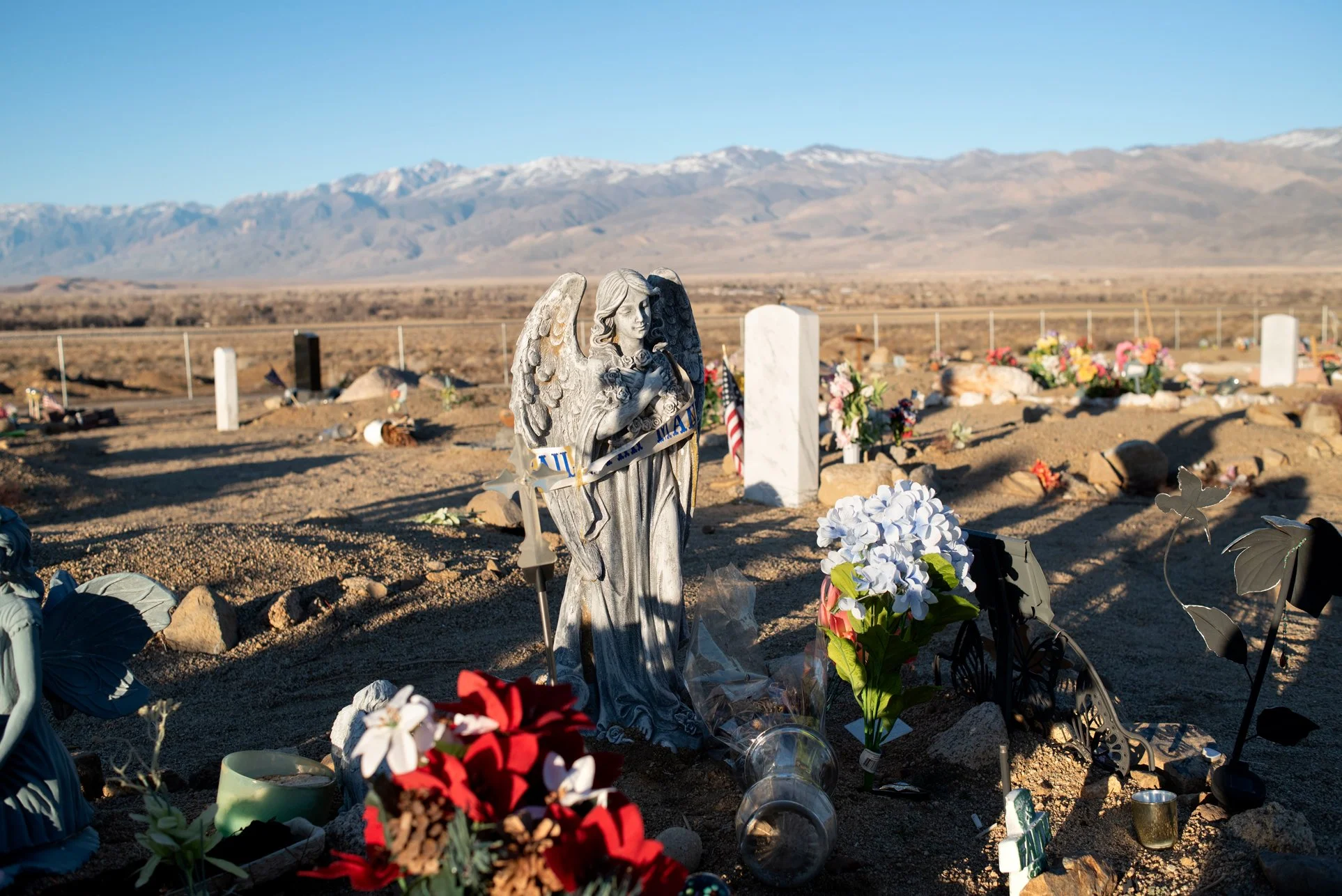
When the first white settlers arrived in the remote Owens Valley, on the eastern slope of the Sierra Nevada, they found land so rich in water that the Paiute tribes called it “The Land Where Water Flows.” In the 1860s, the Paiutes were forcibly removed, and their irrigation systems taken over.
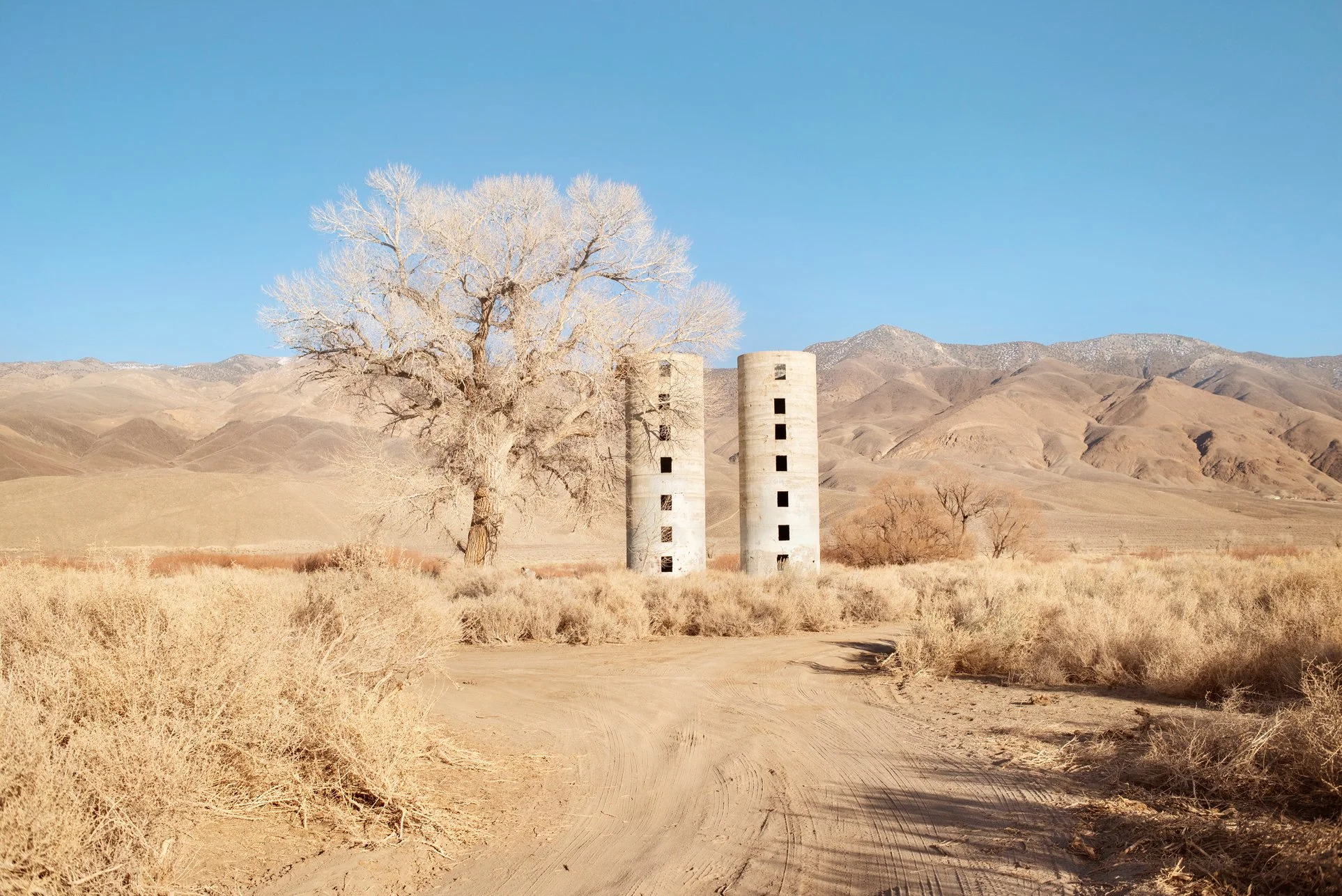
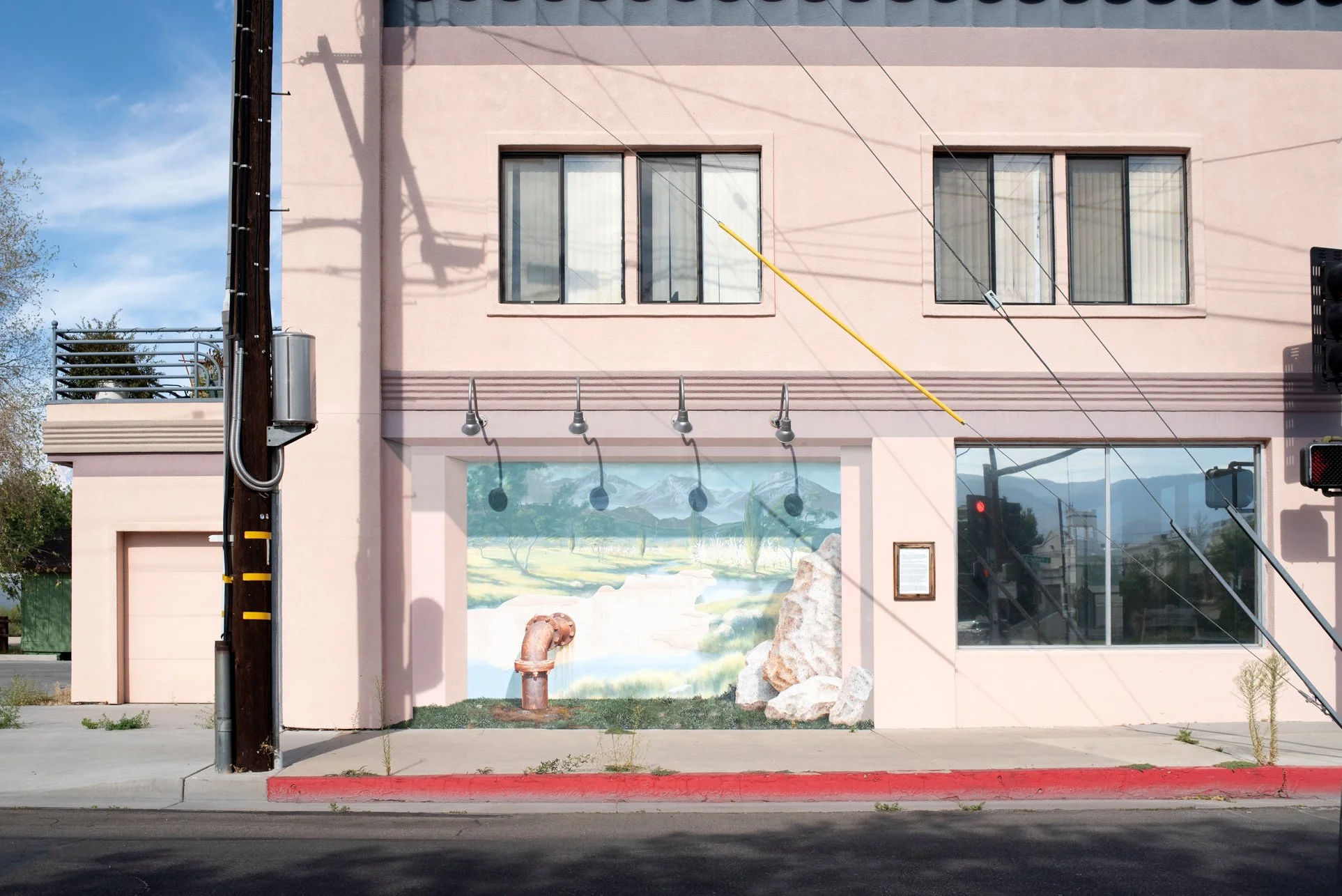
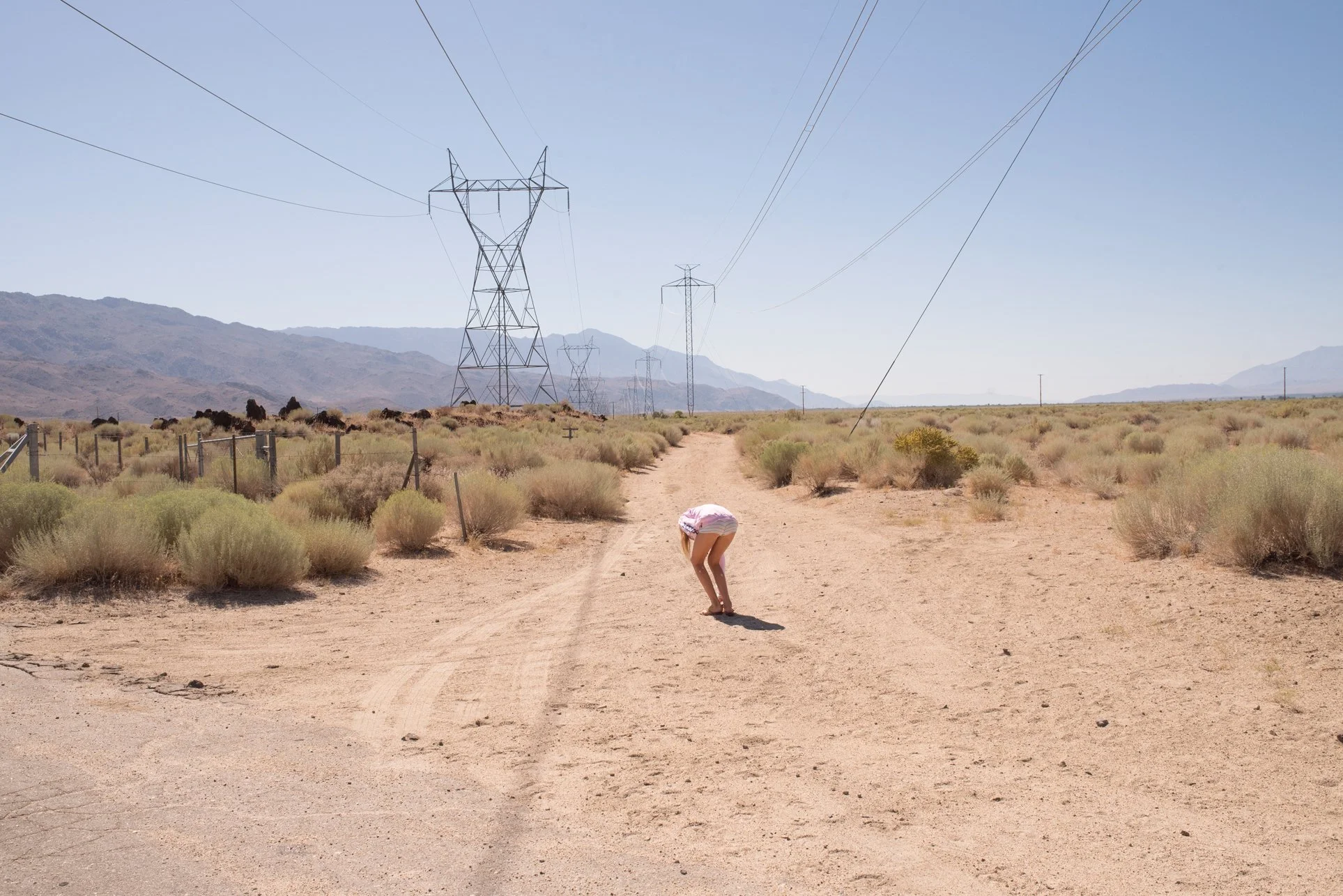
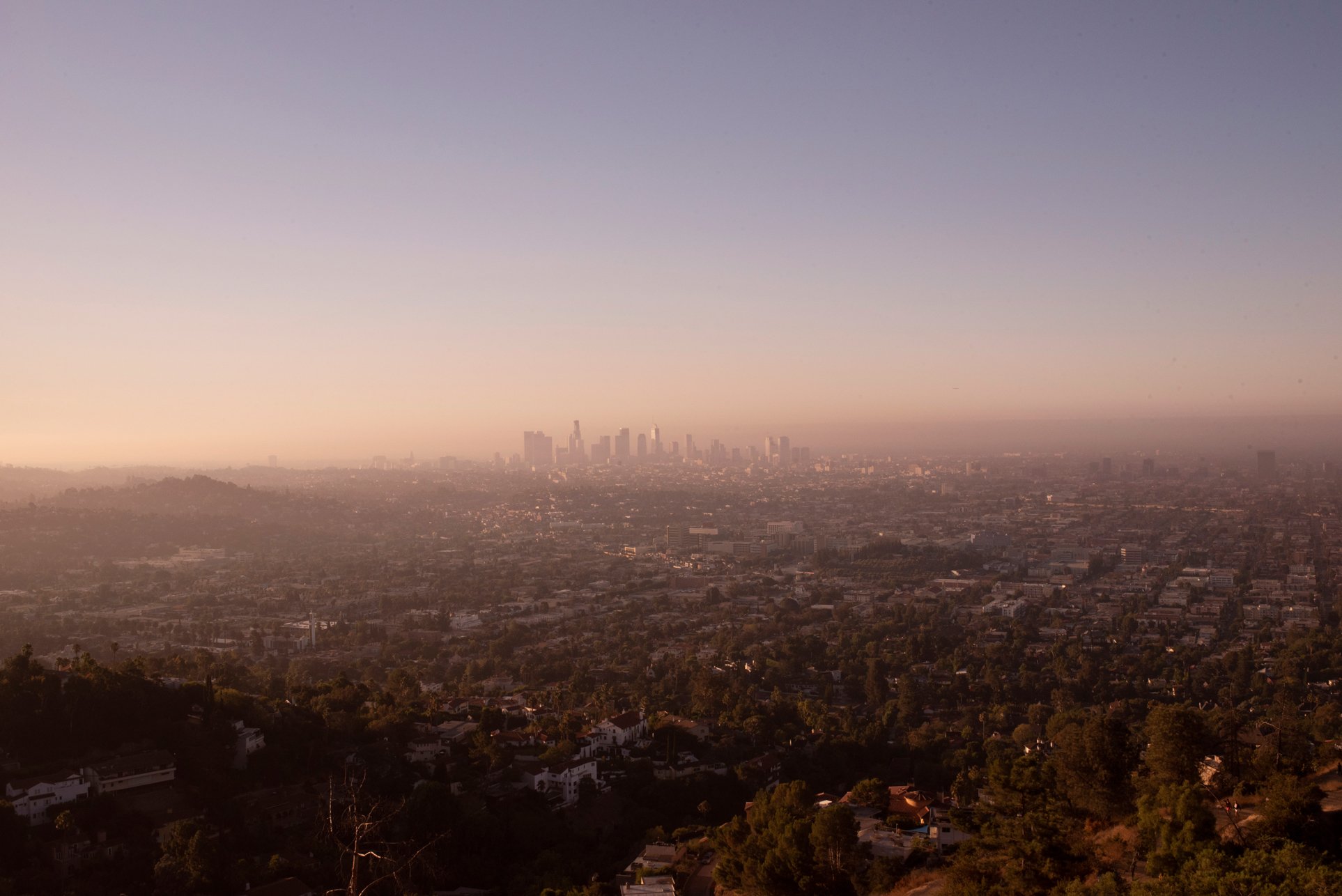
Owens Valley, a 75-mile stretch along Route 395 between the Sierra Nevada and the White Mountains, still supplies about one-third of Los Angeles’ water. In the early 20th century, Los Angeles purchased roughly 300,000 acres in the valley, securing water rights to the Owens River and enabling its transformation from a town of 15,000 into a vast metropolis.
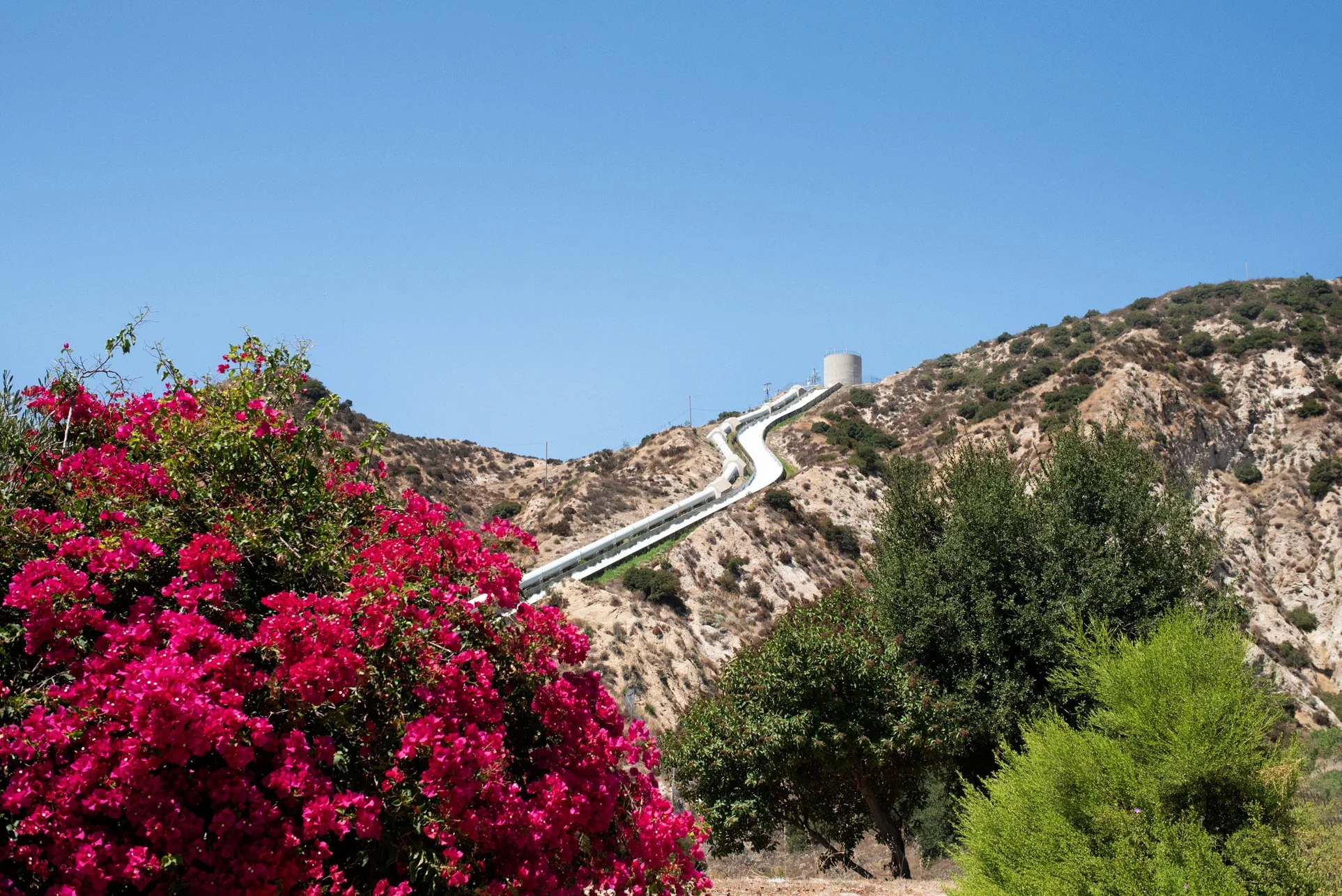
Between 1907 and 1913, engineer William Mulholland oversaw the construction of the Los Angeles Aqueduct, diverting water south. The impact on the valley was immediate: farms collapsed, and in protest, ranchers sabotaged the system in what became known as the Water Wars.
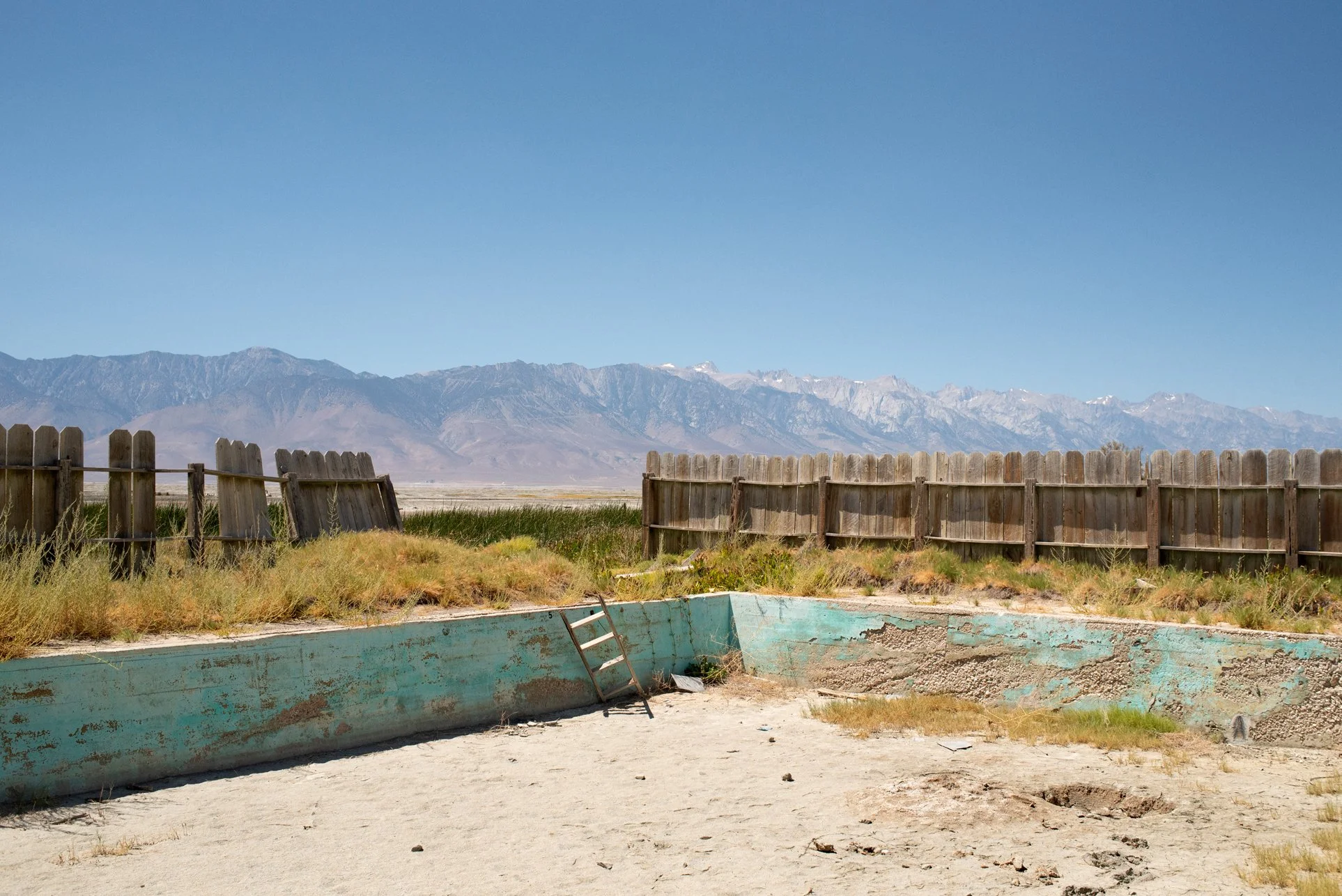
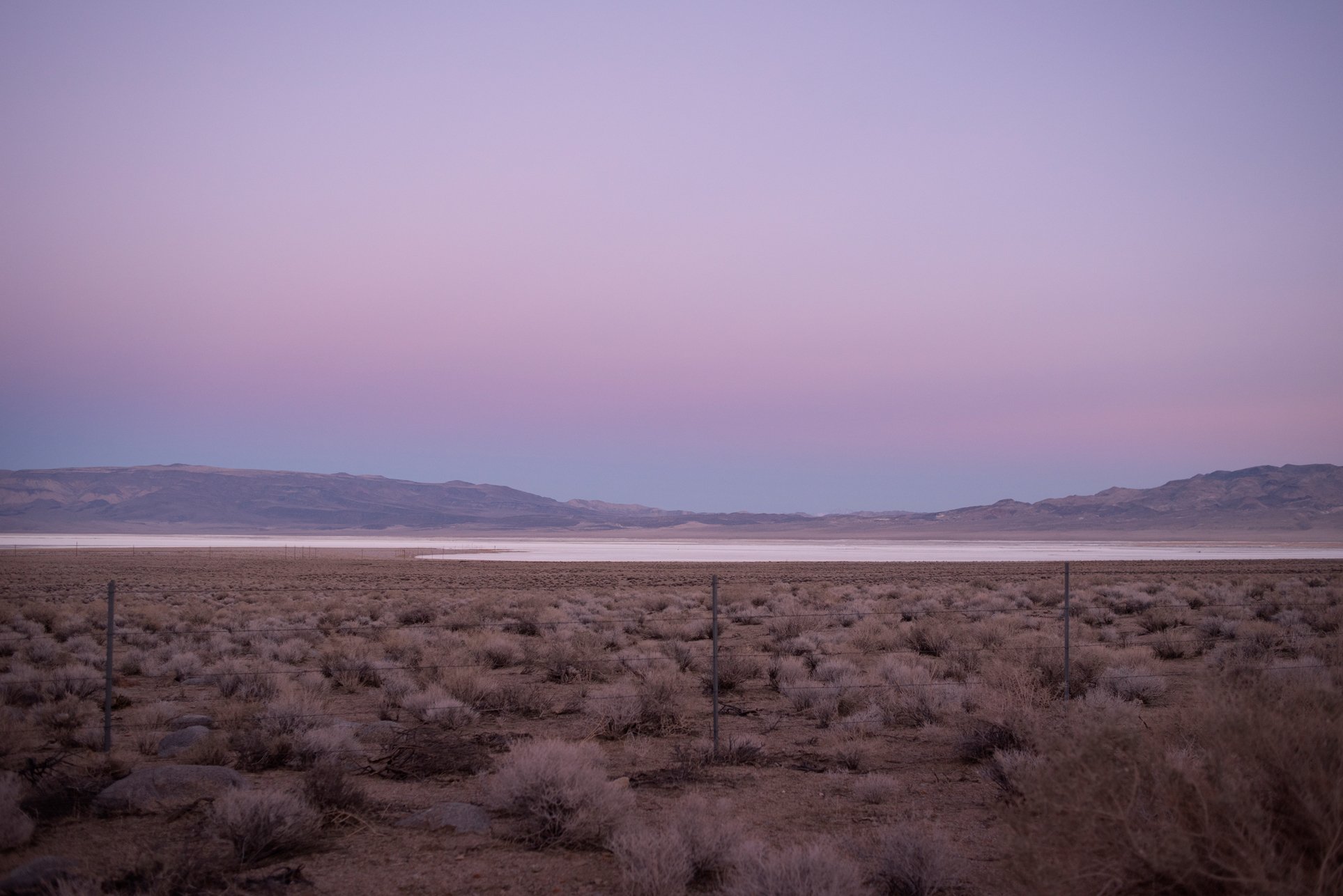
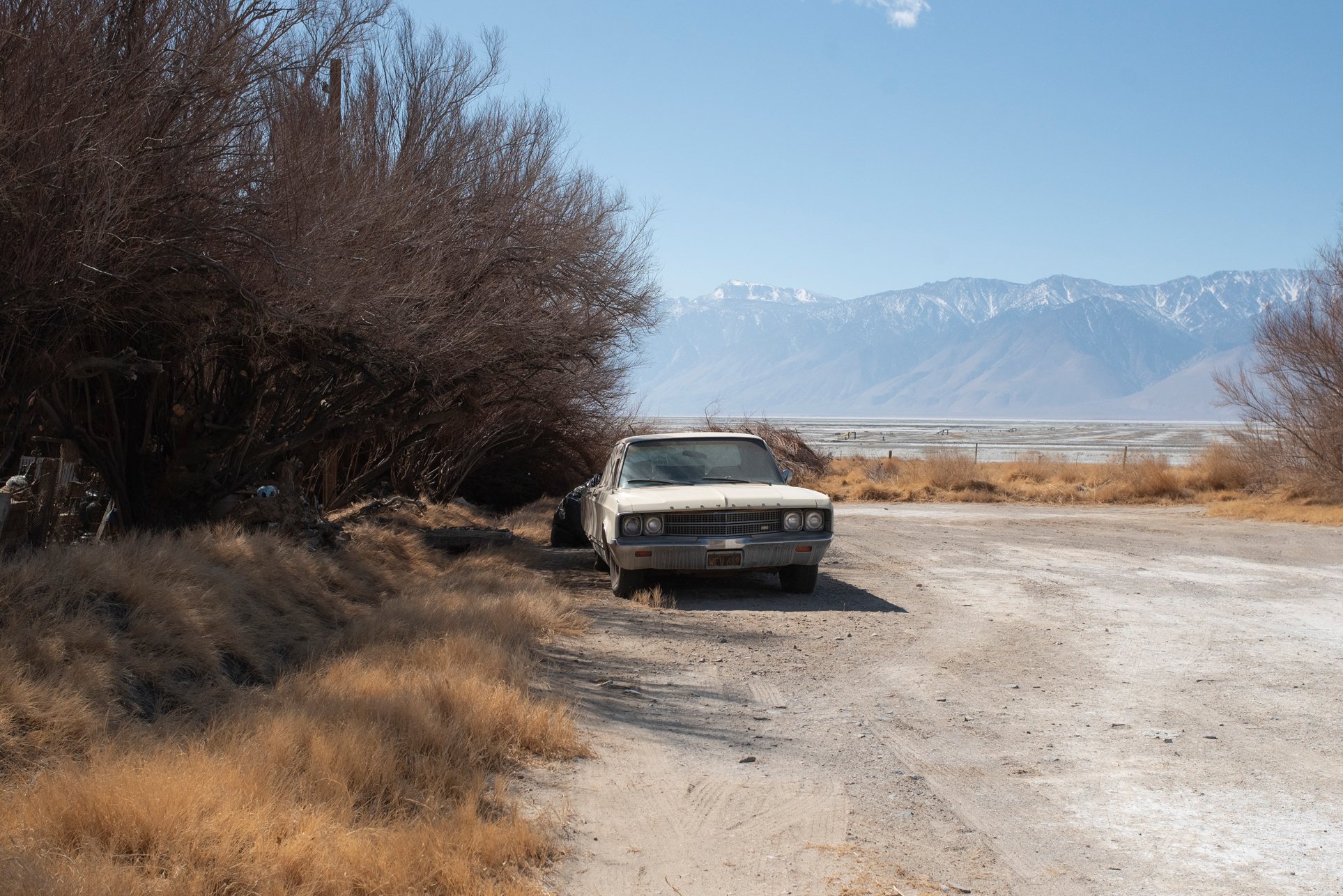
Today, the Los Angeles Department of Water and Power still owns most of the land in Inyo County. The diversion of water has left Owens Lake largely dry, exposing toxic dust containing arsenic and cadmium, which is carried by wind across the valley.
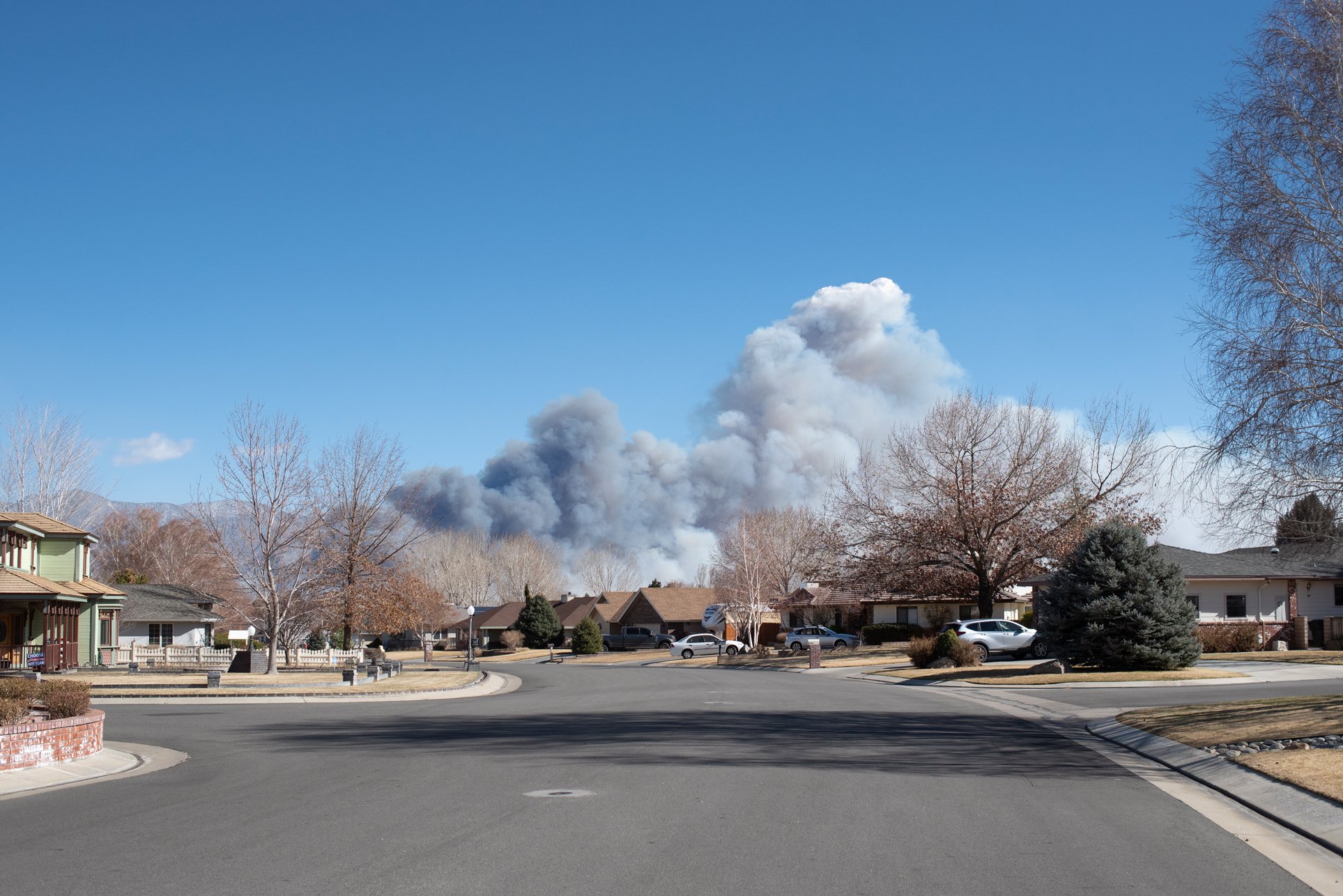
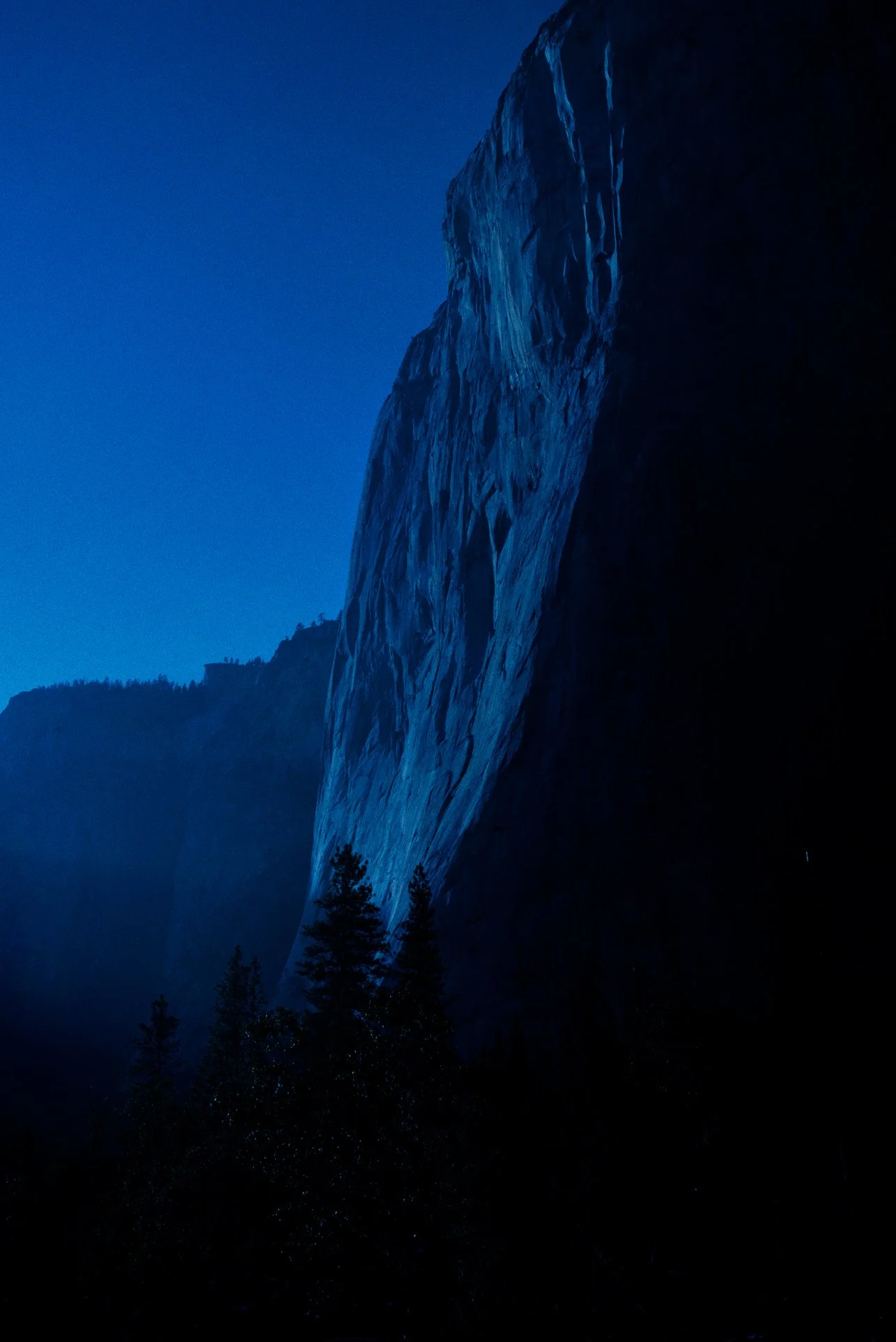
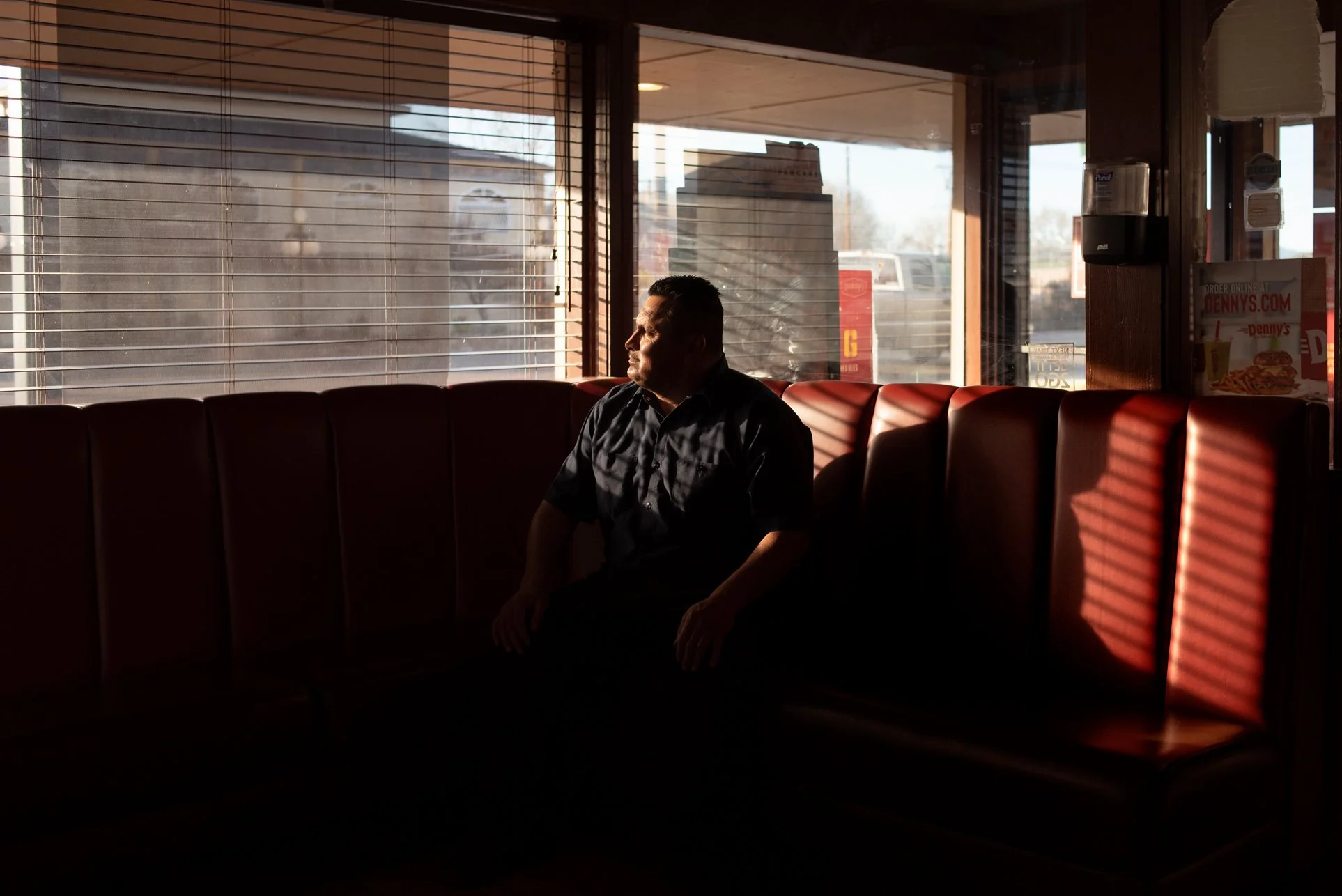
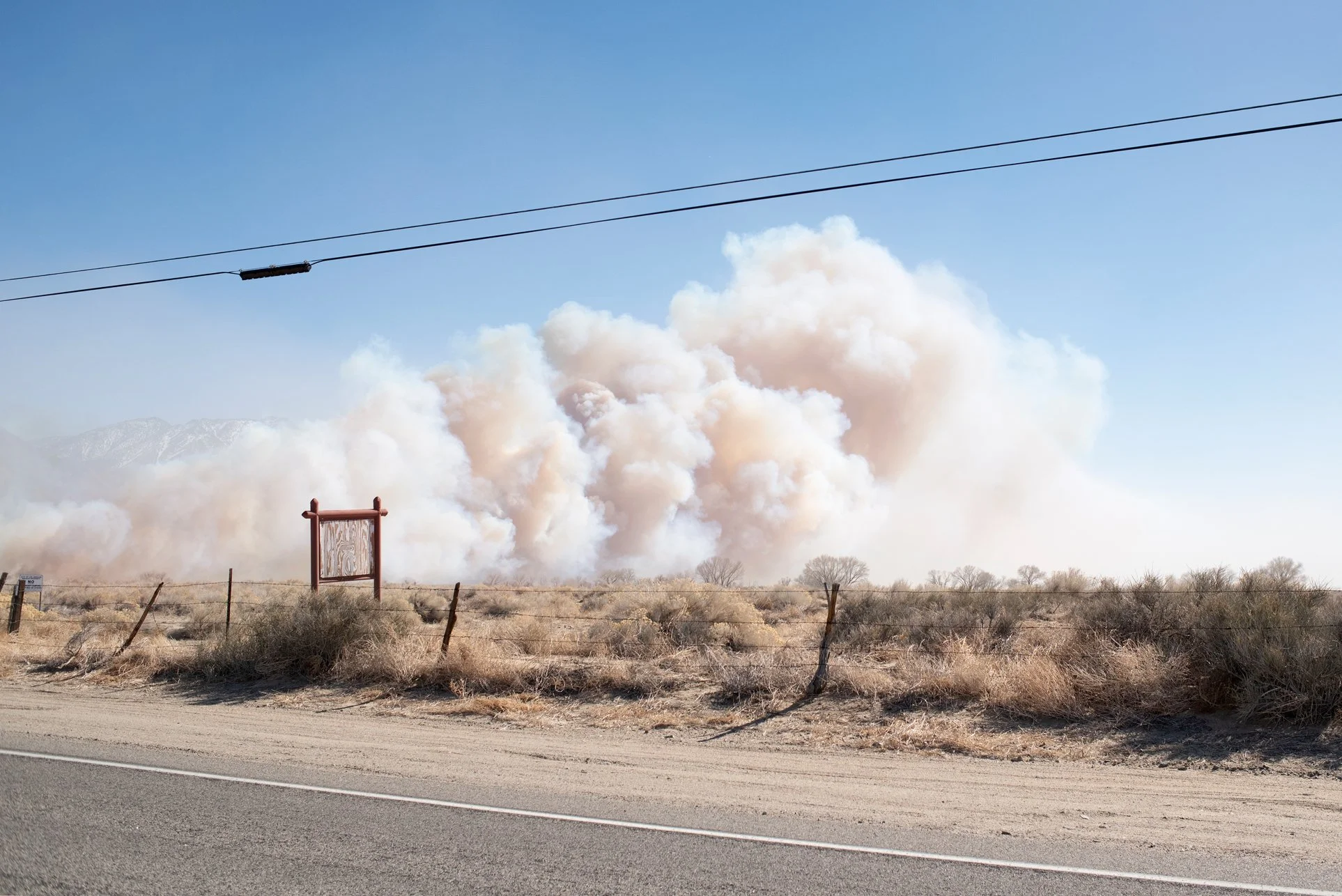
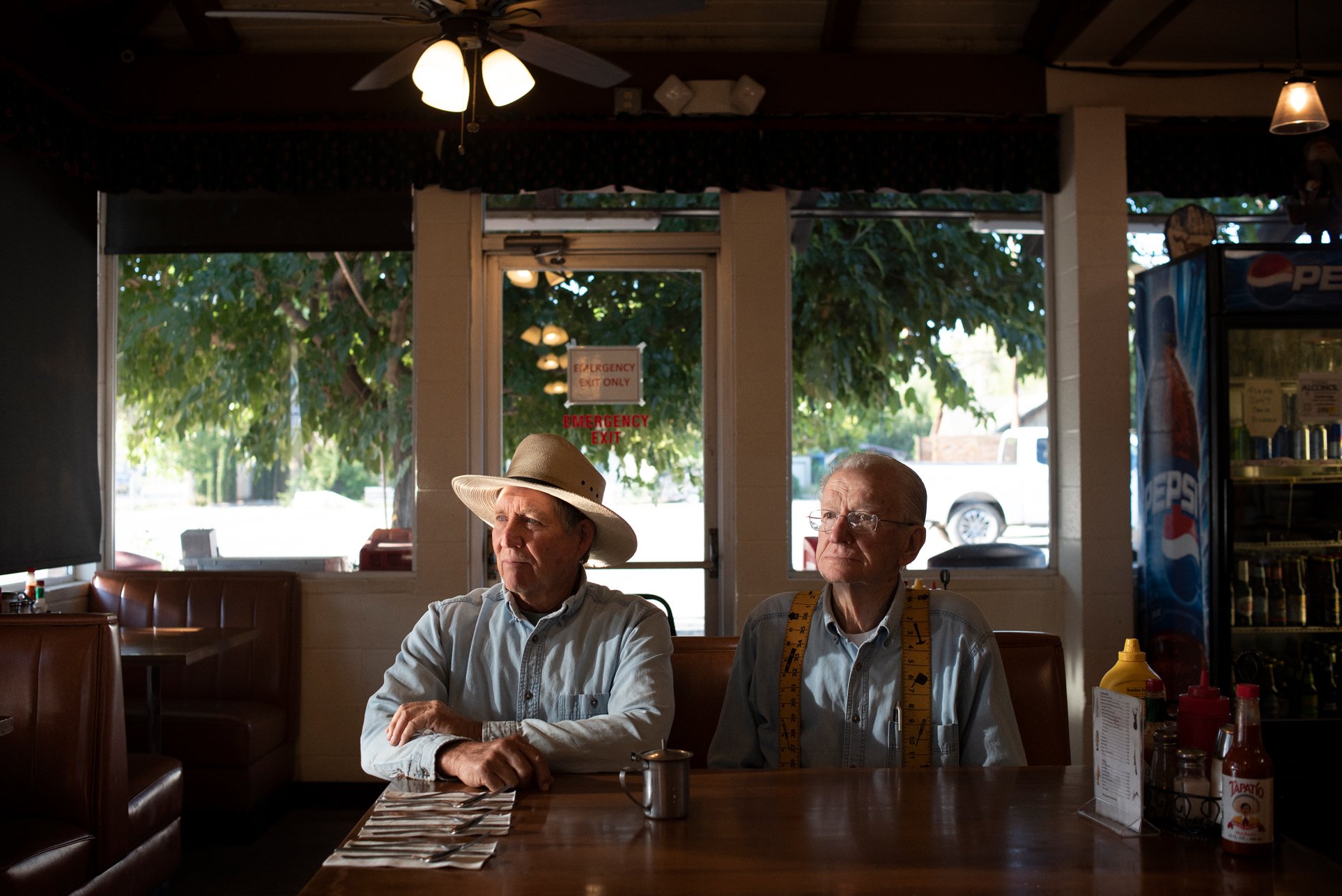
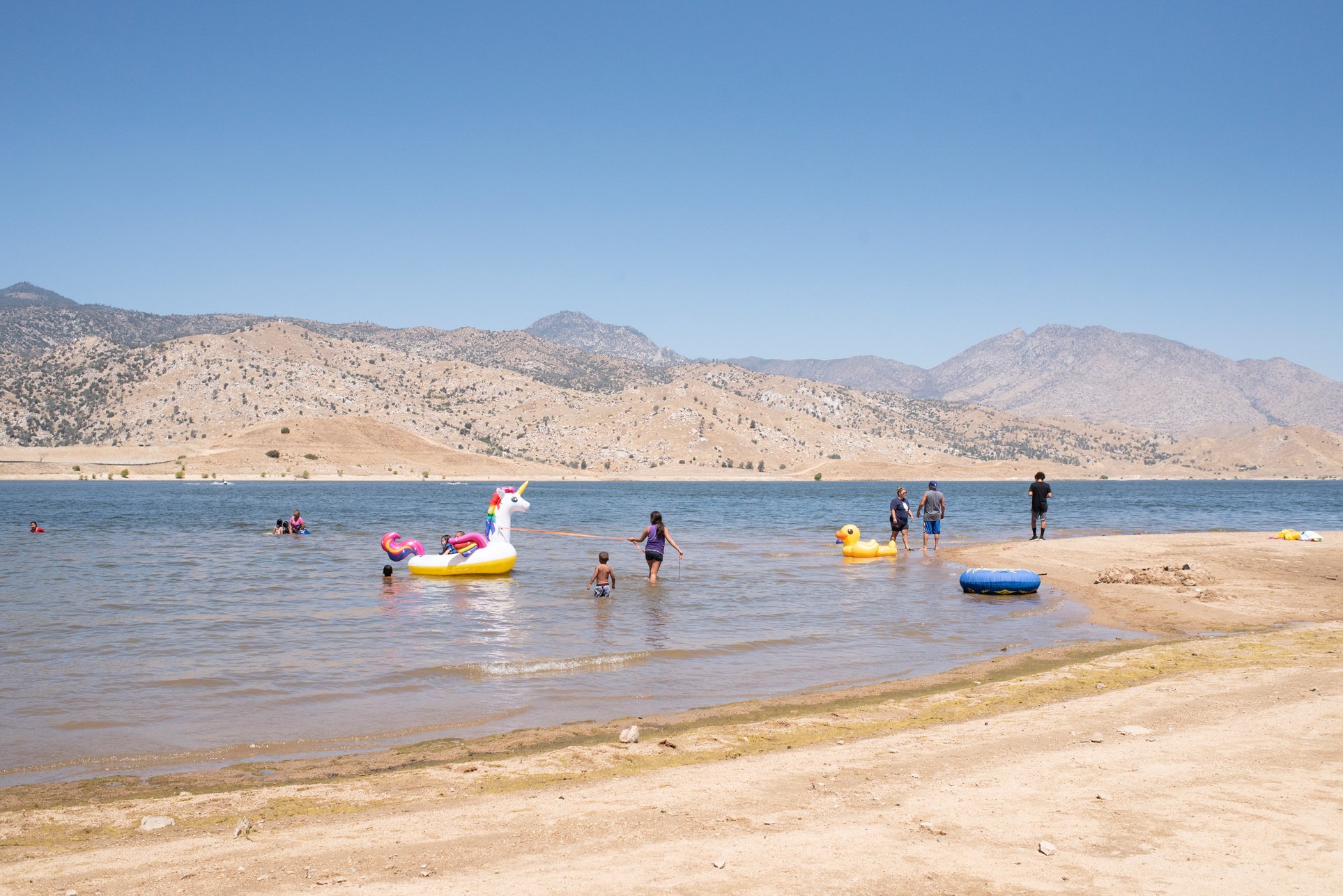
Climate change is intensifying drought conditions. Snowpack in the Sierra Nevada is projected to decline sharply, further reducing water availability. Gerald Lewis, a Paiute elder, says that as the land dries, his community may be forced to move, with no clear place to go.
This project was produced between 2019 and 2022 and is represented by Redux Pictures.