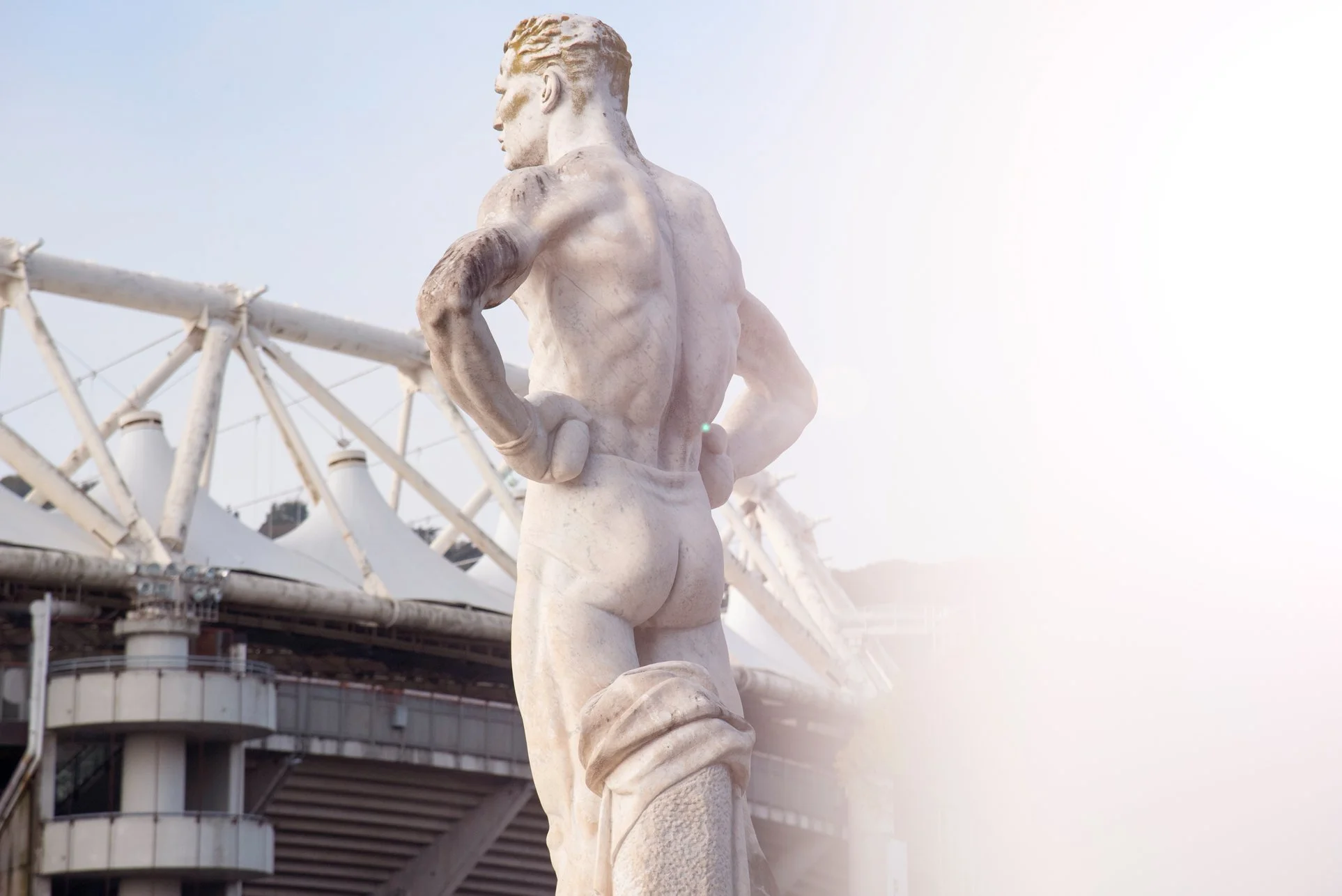
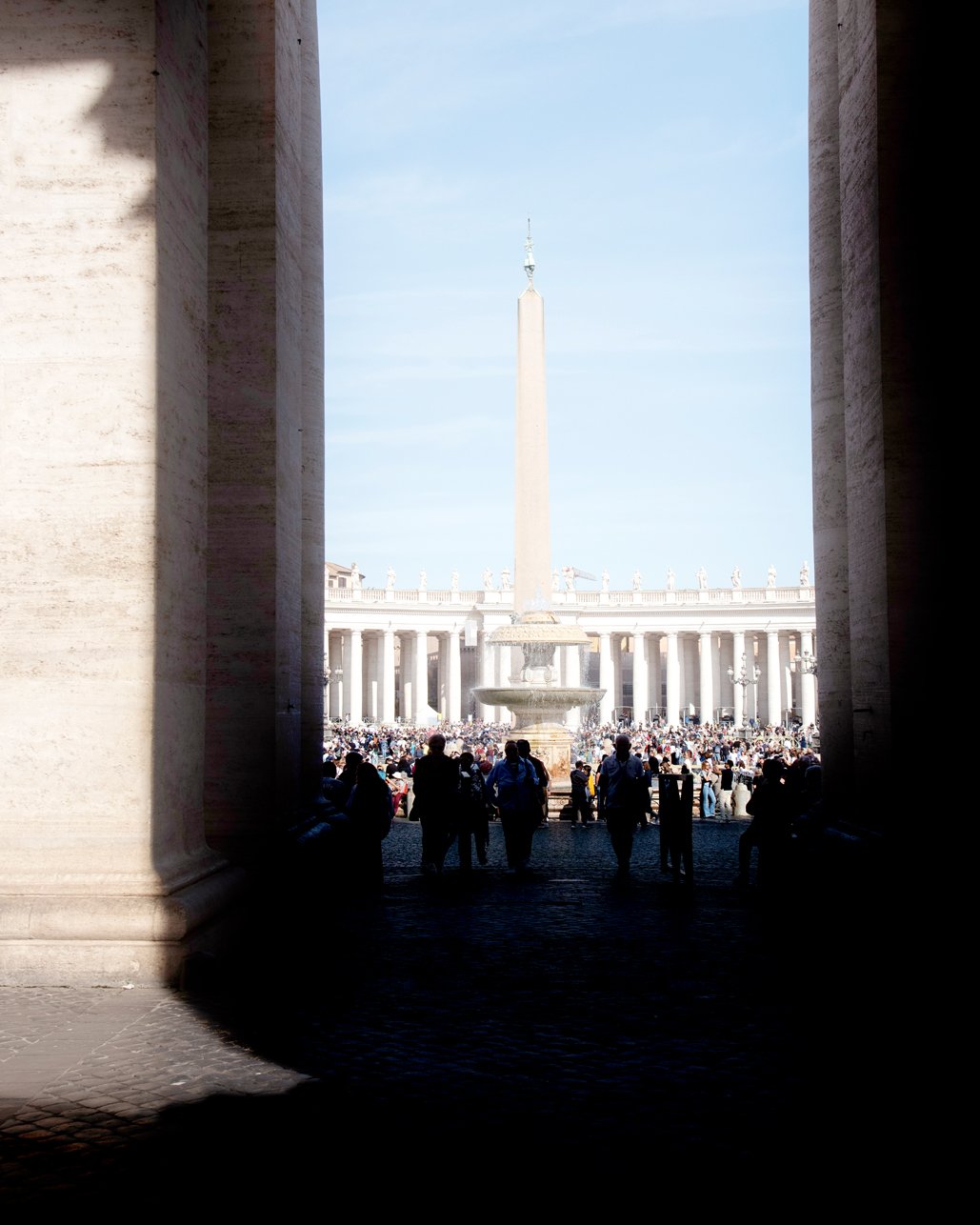
Roma Regina Aquarium
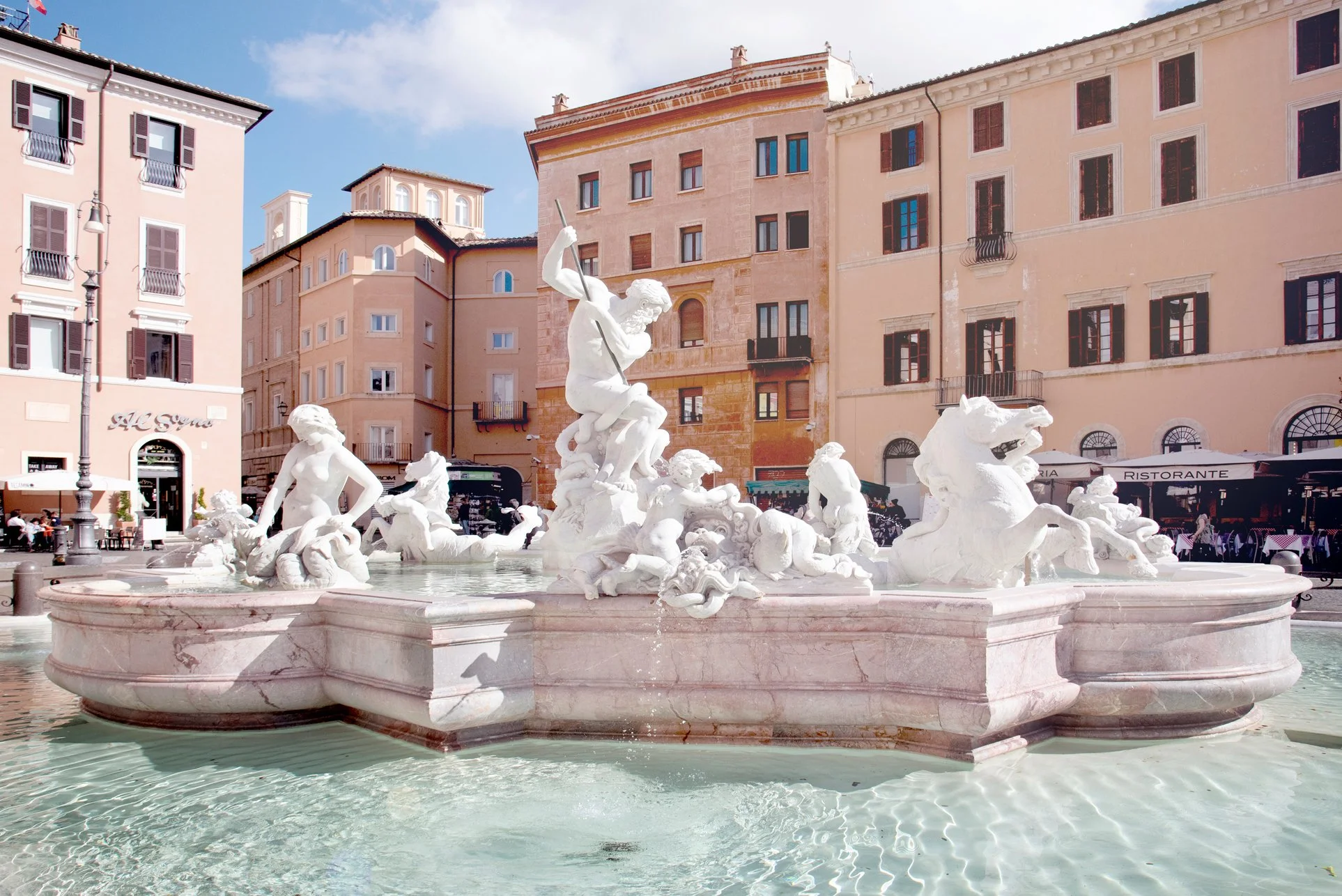
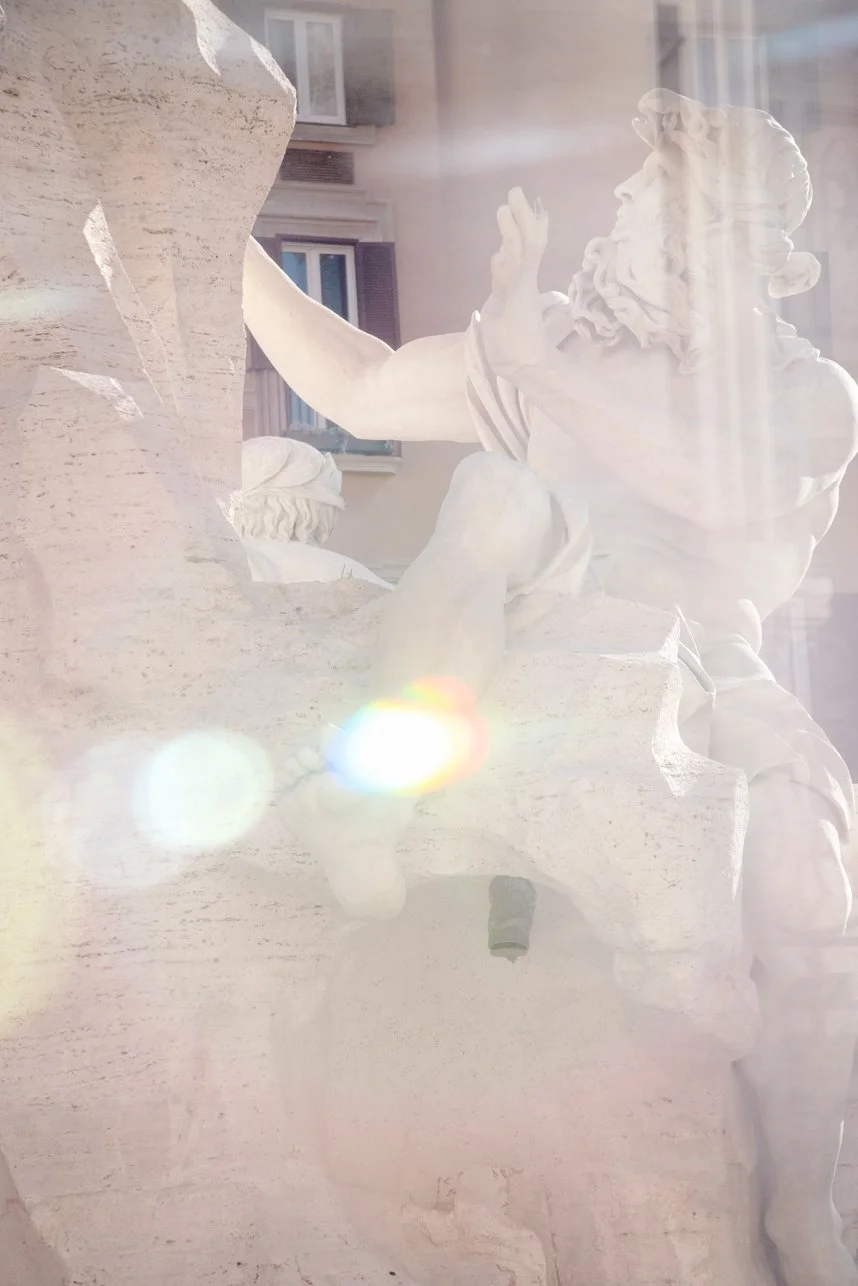
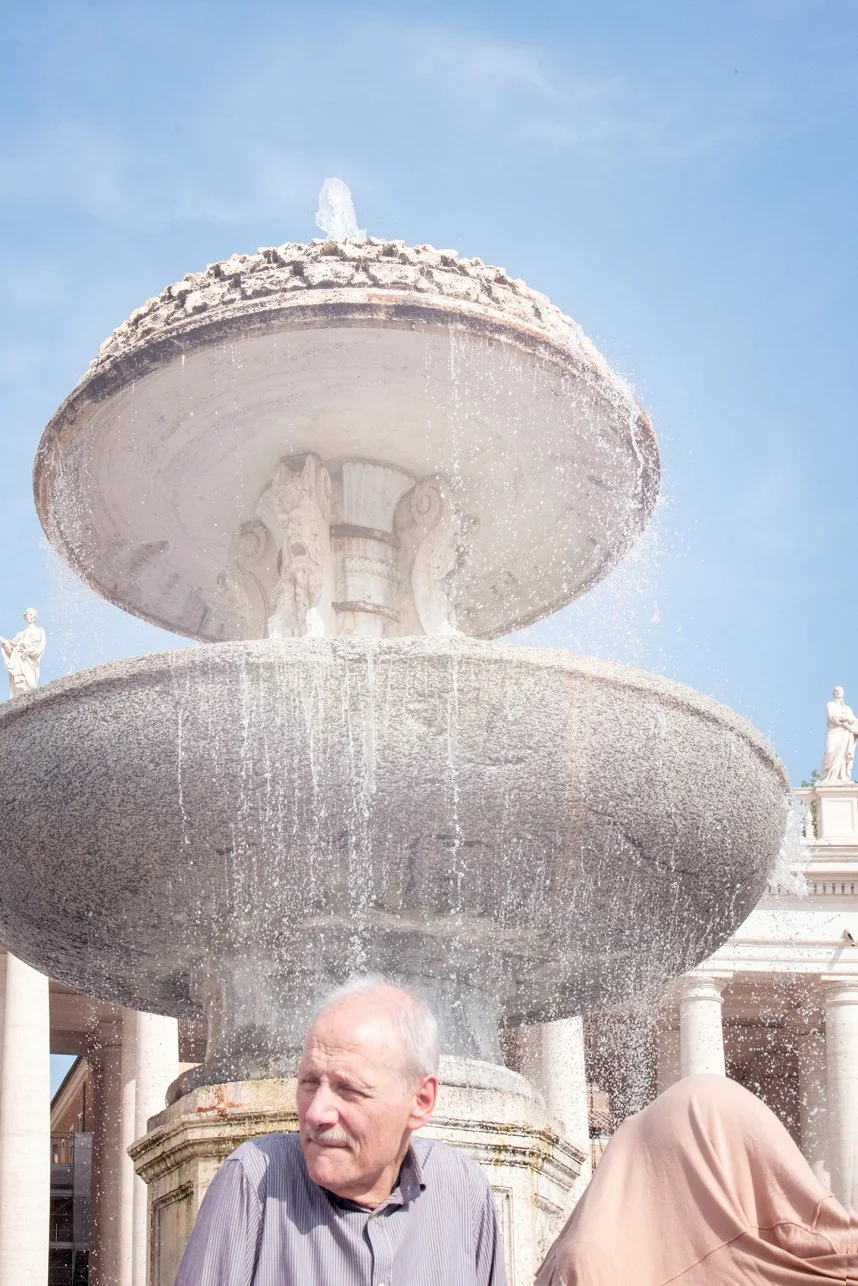
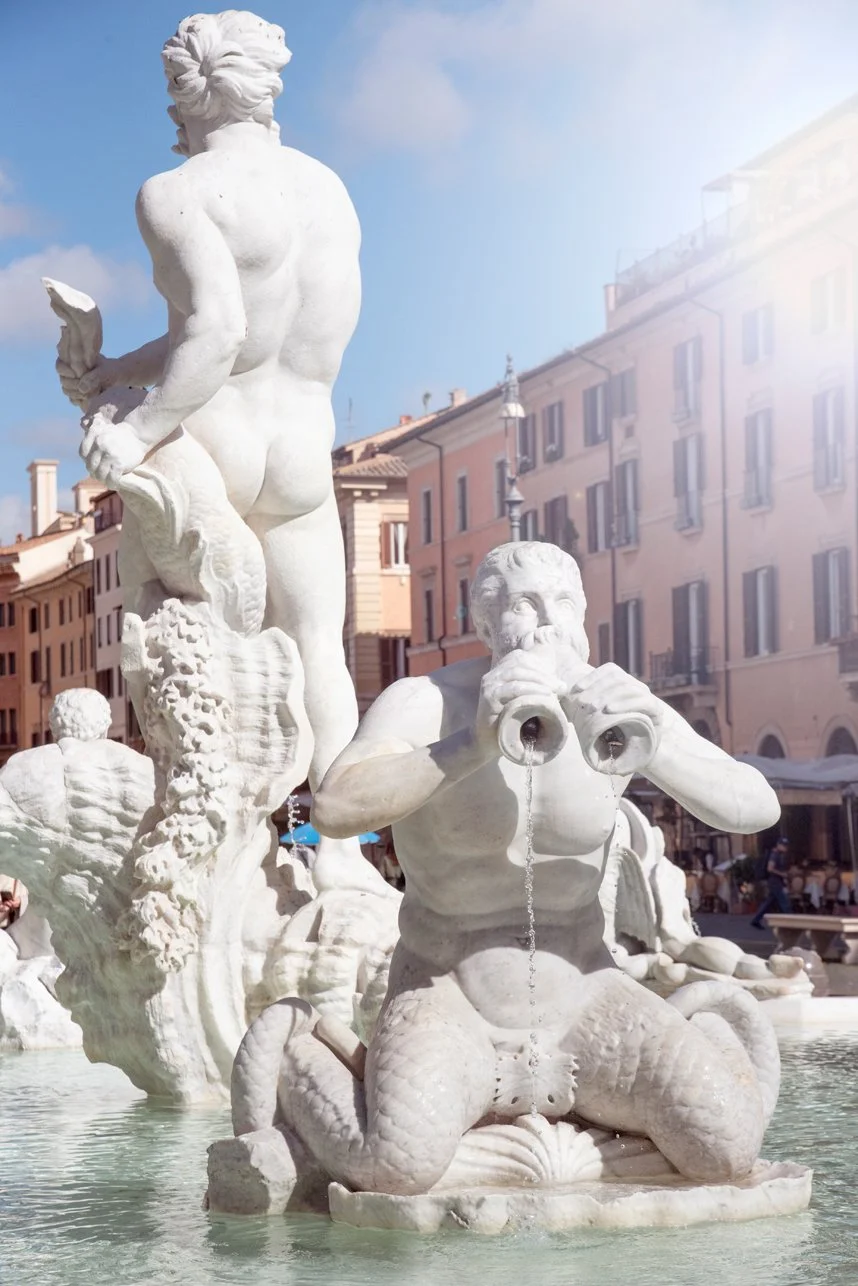
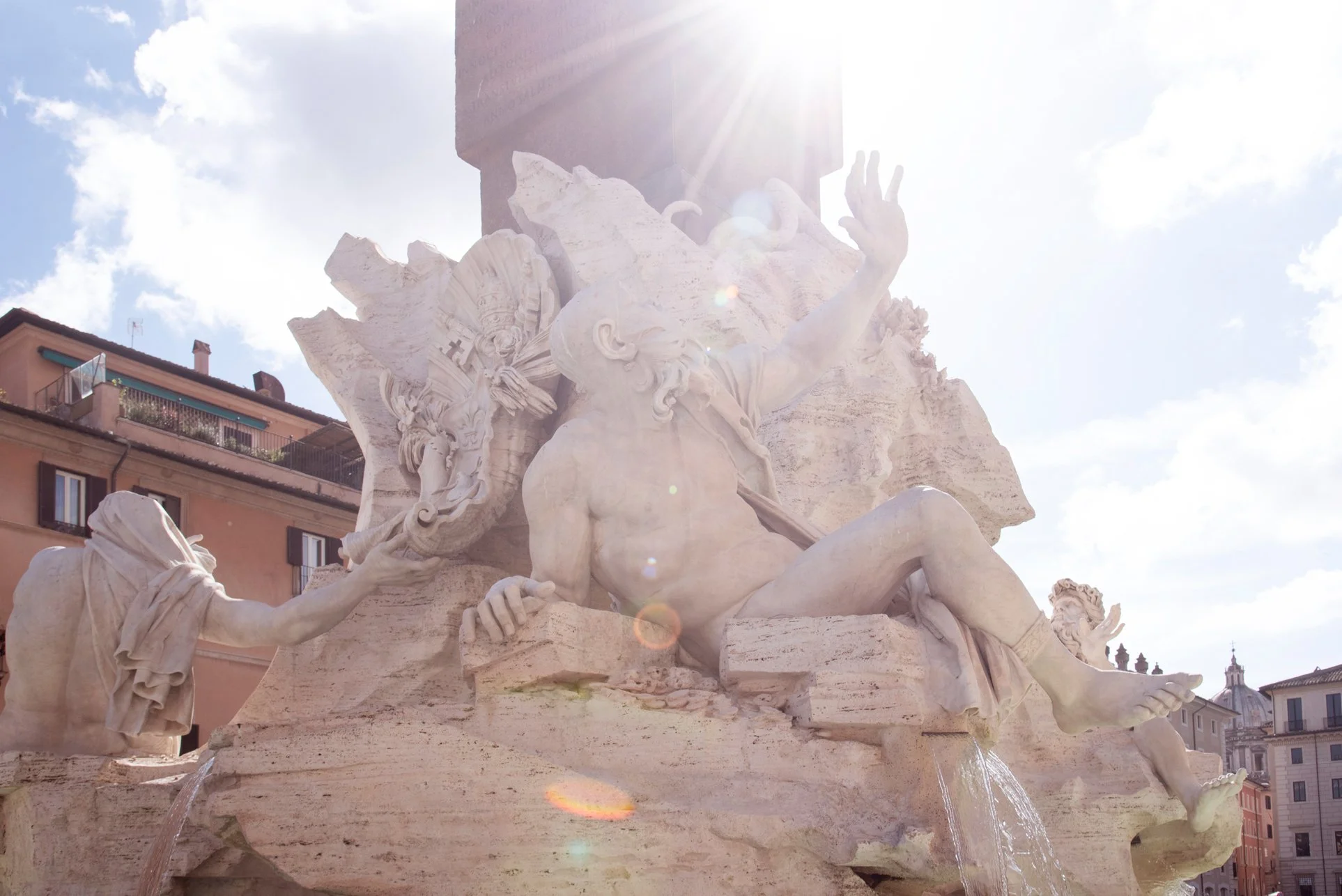
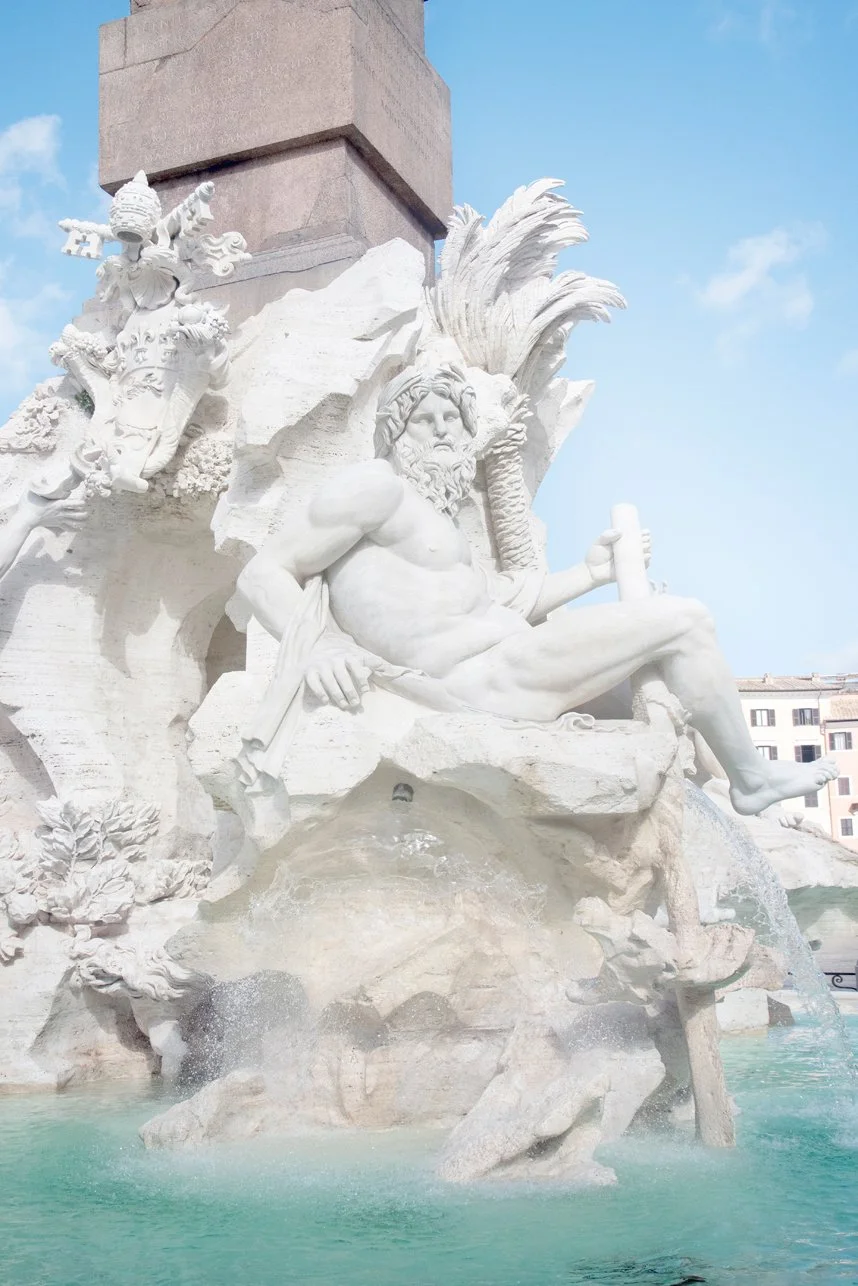
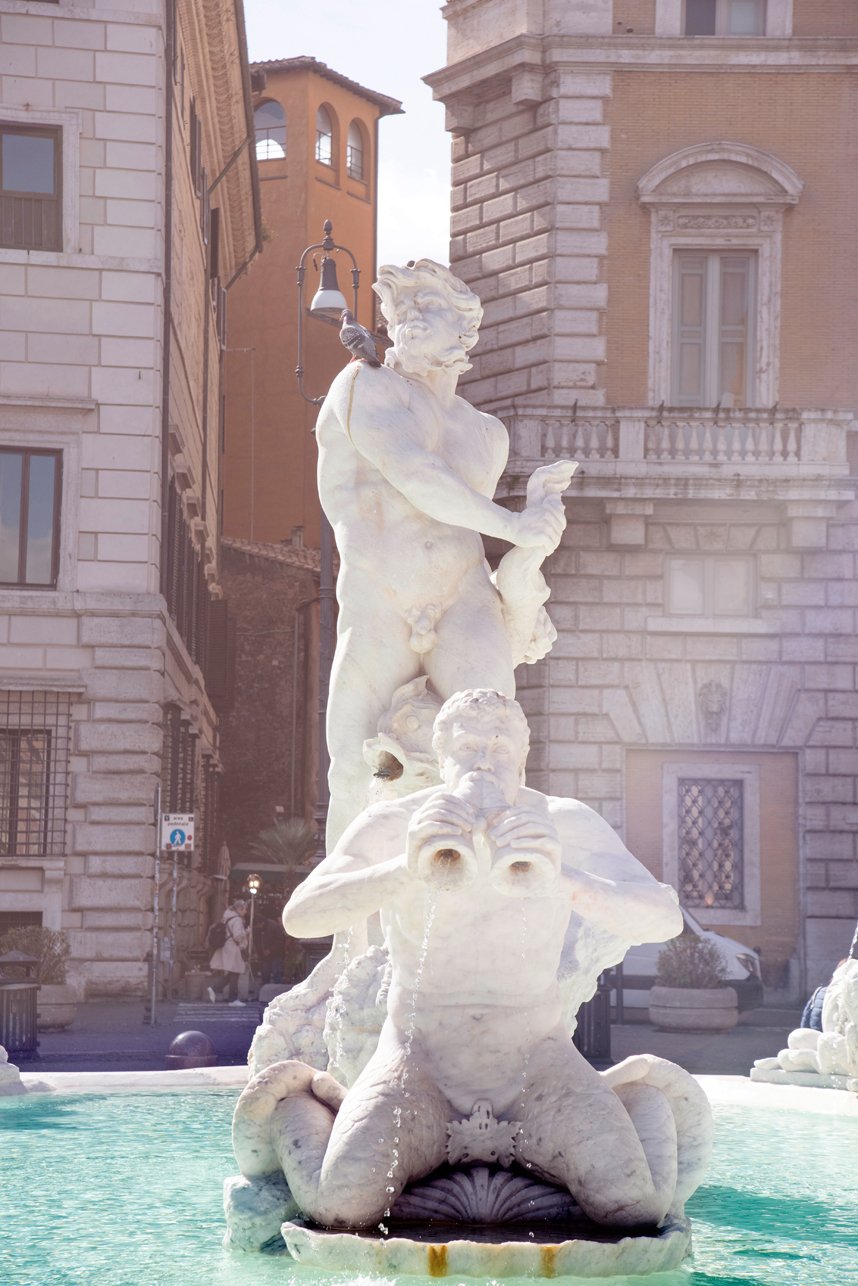
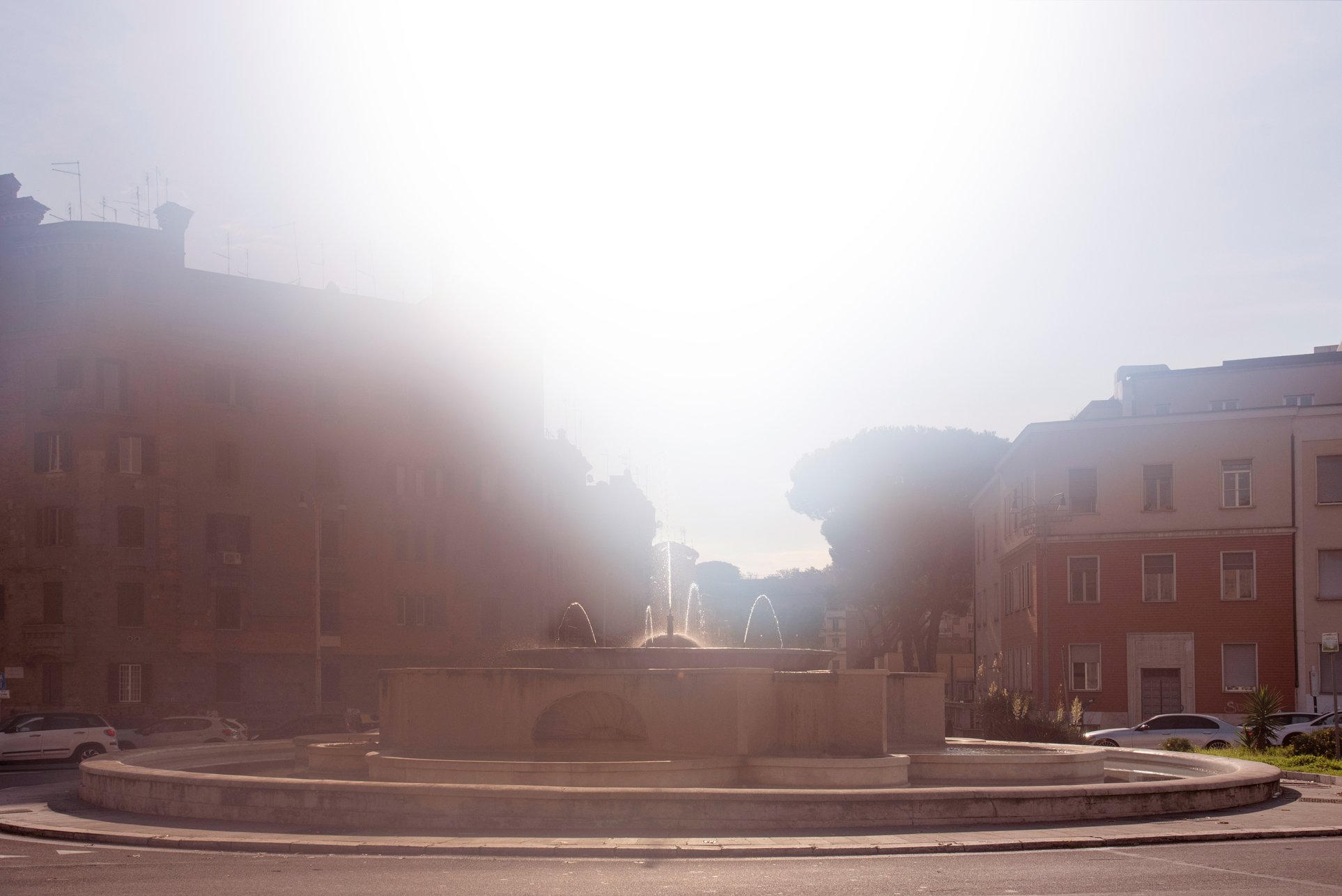
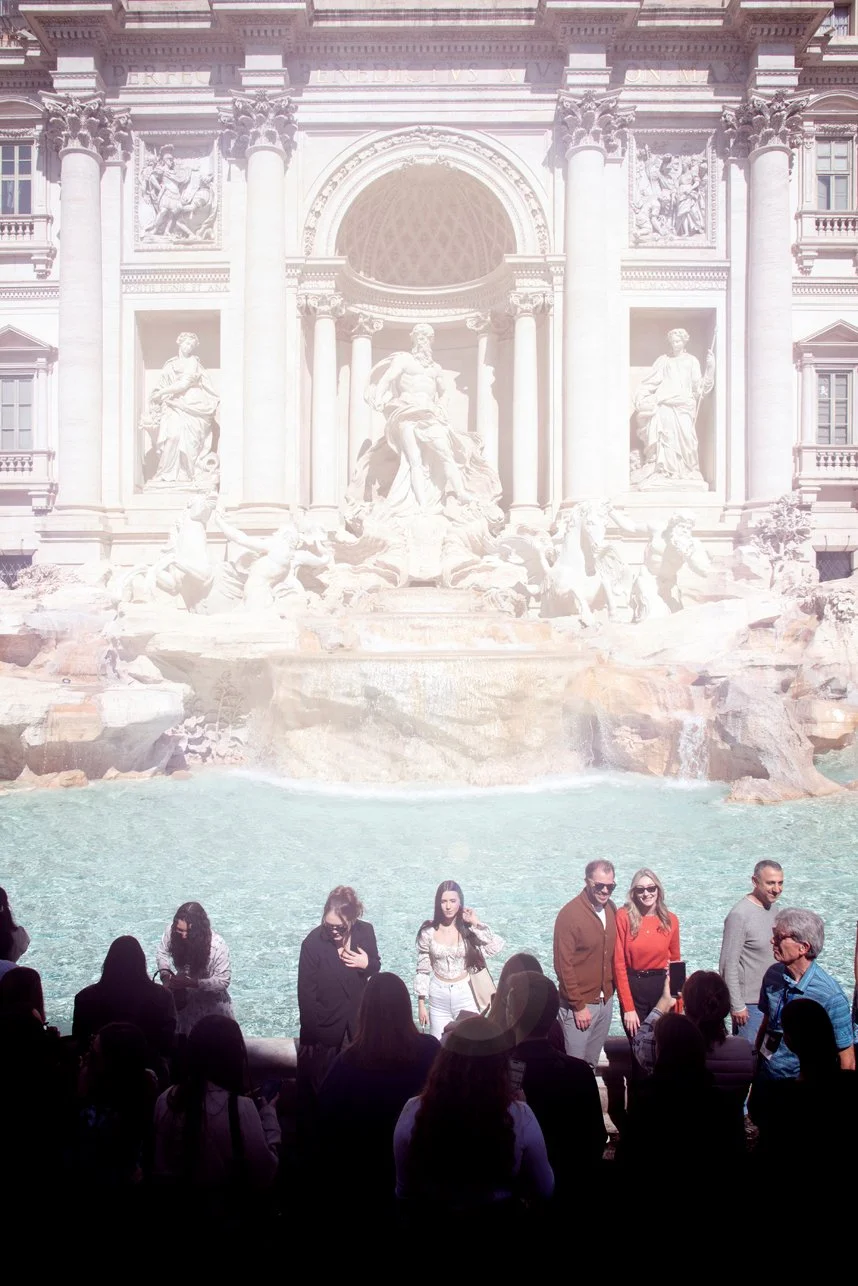
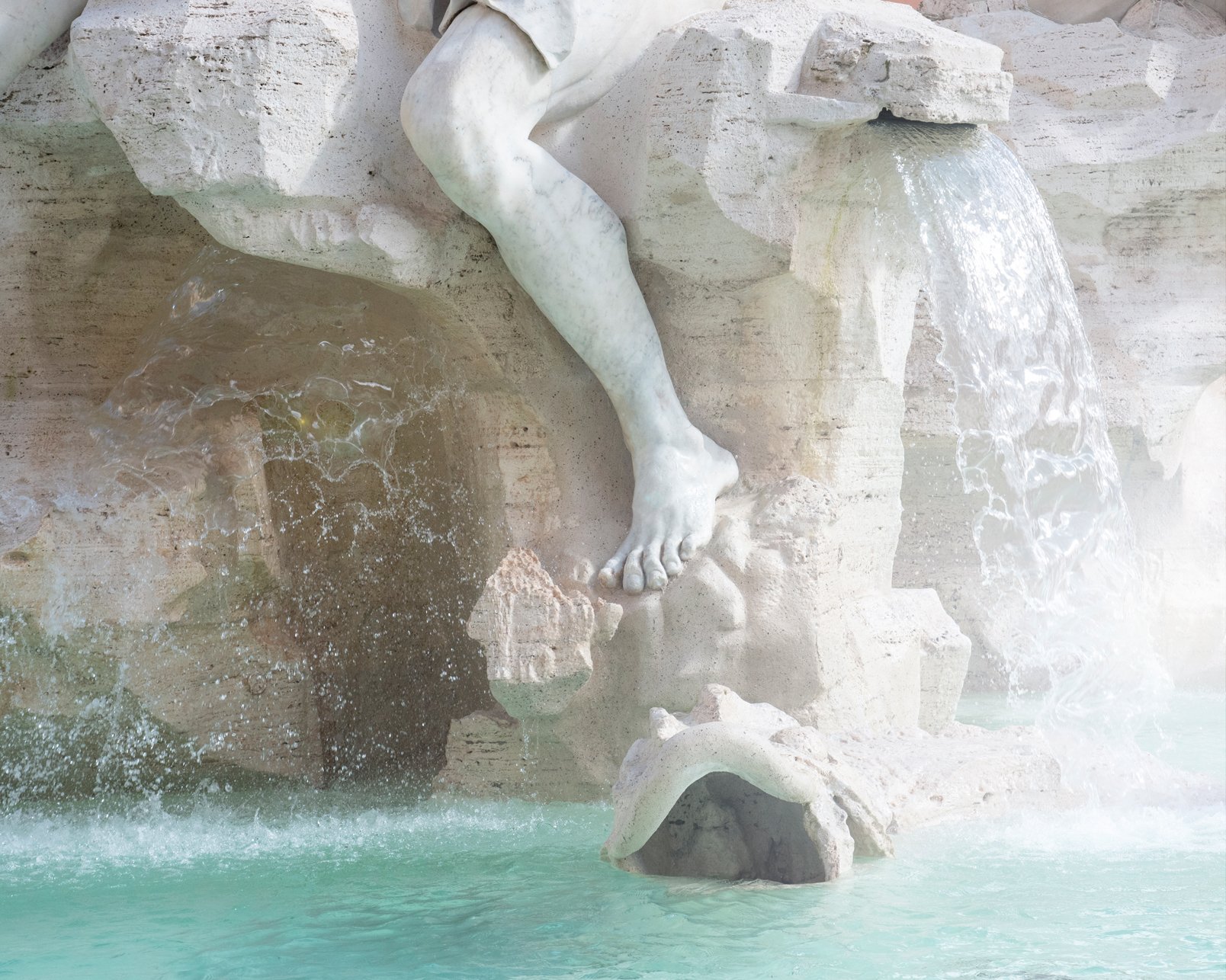
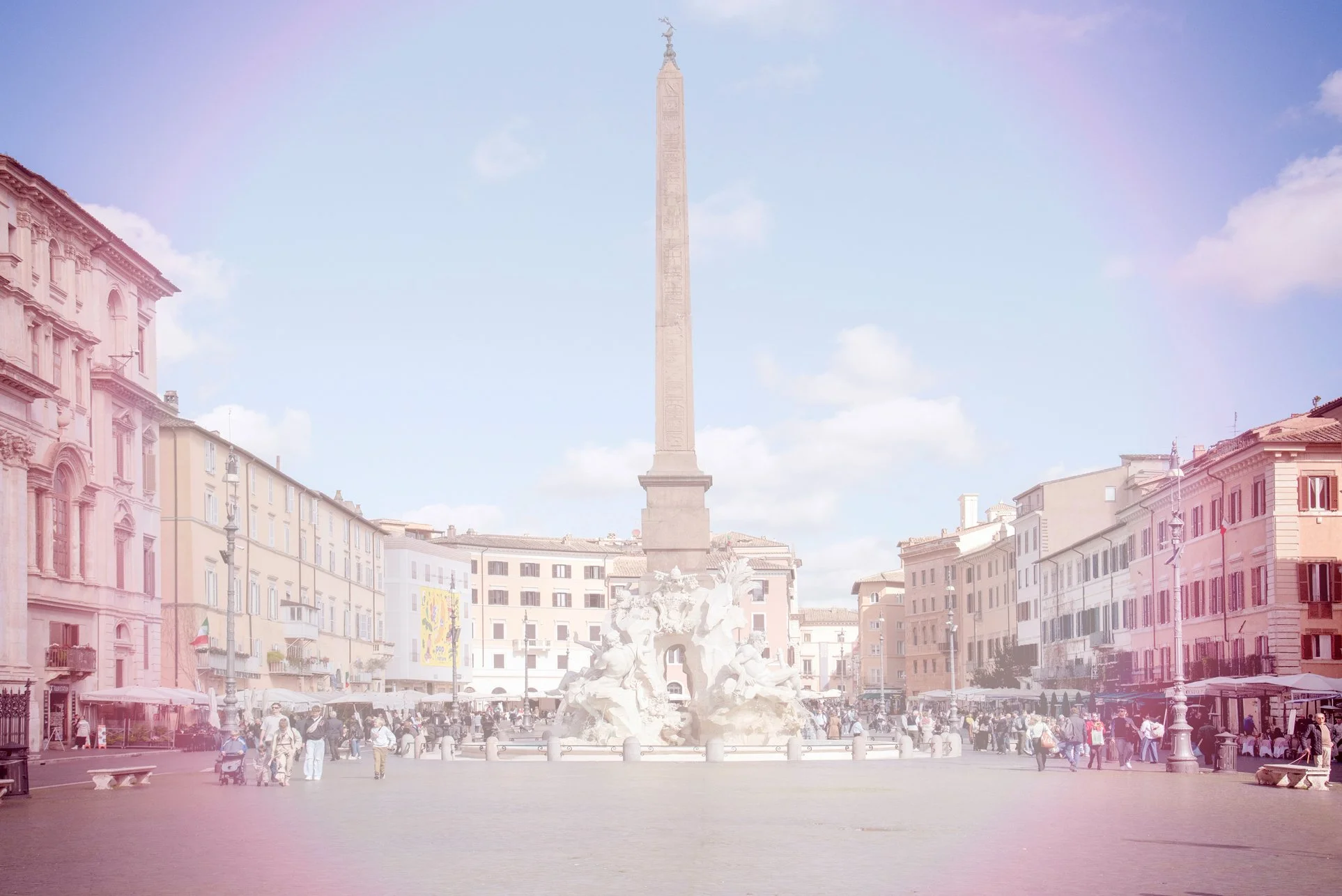
In his text, Calvino describes water rising through pipes, pressing through siphons, and passing through filters until it reaches the city. In Rome, this system has a history that spans more than two millennia, when water defined the very idea of civilization. The city, known as Regina aquarum, is built around water, every visible flow, a fountain, a spring, a jet, is the surface of a continuous underground network.
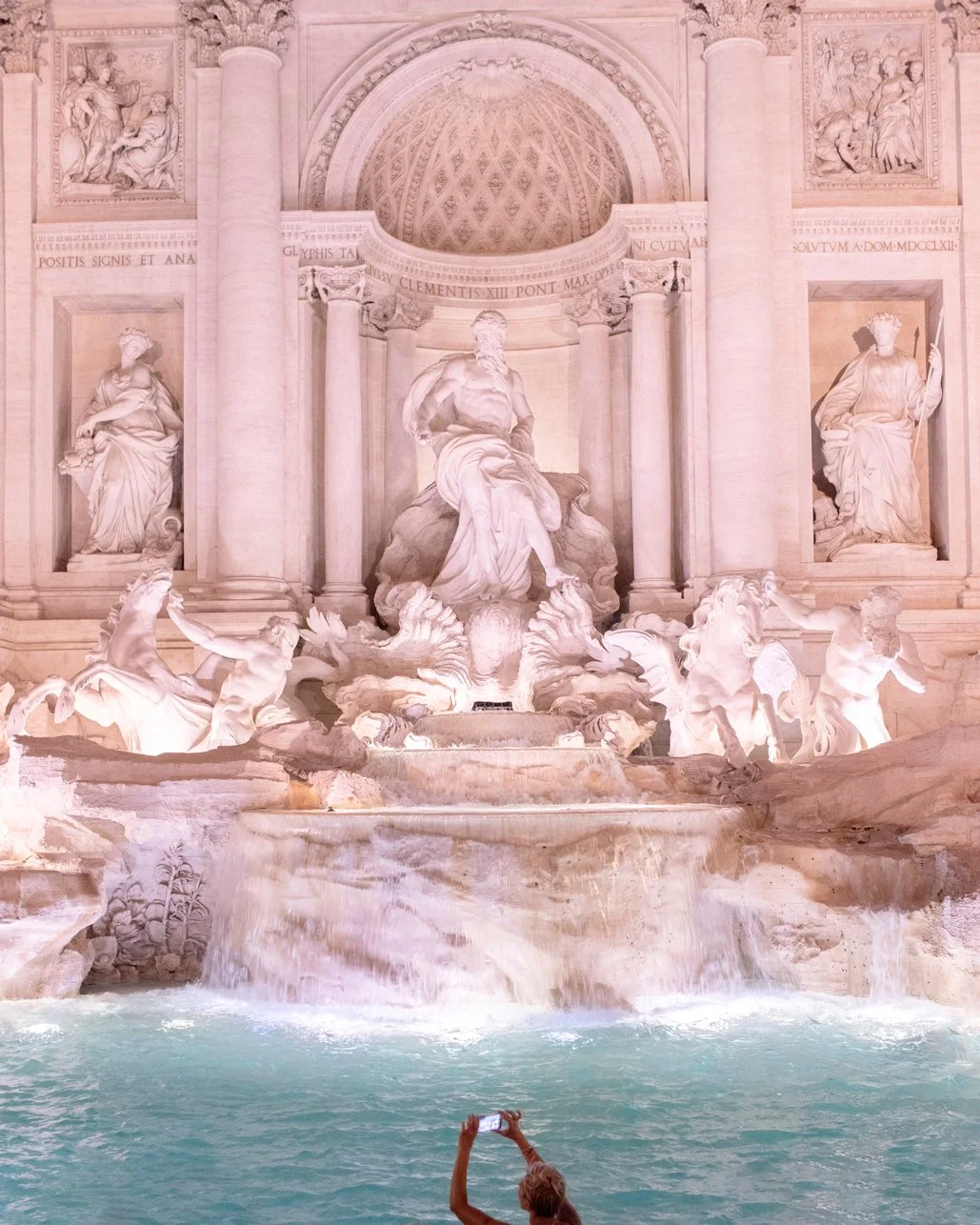
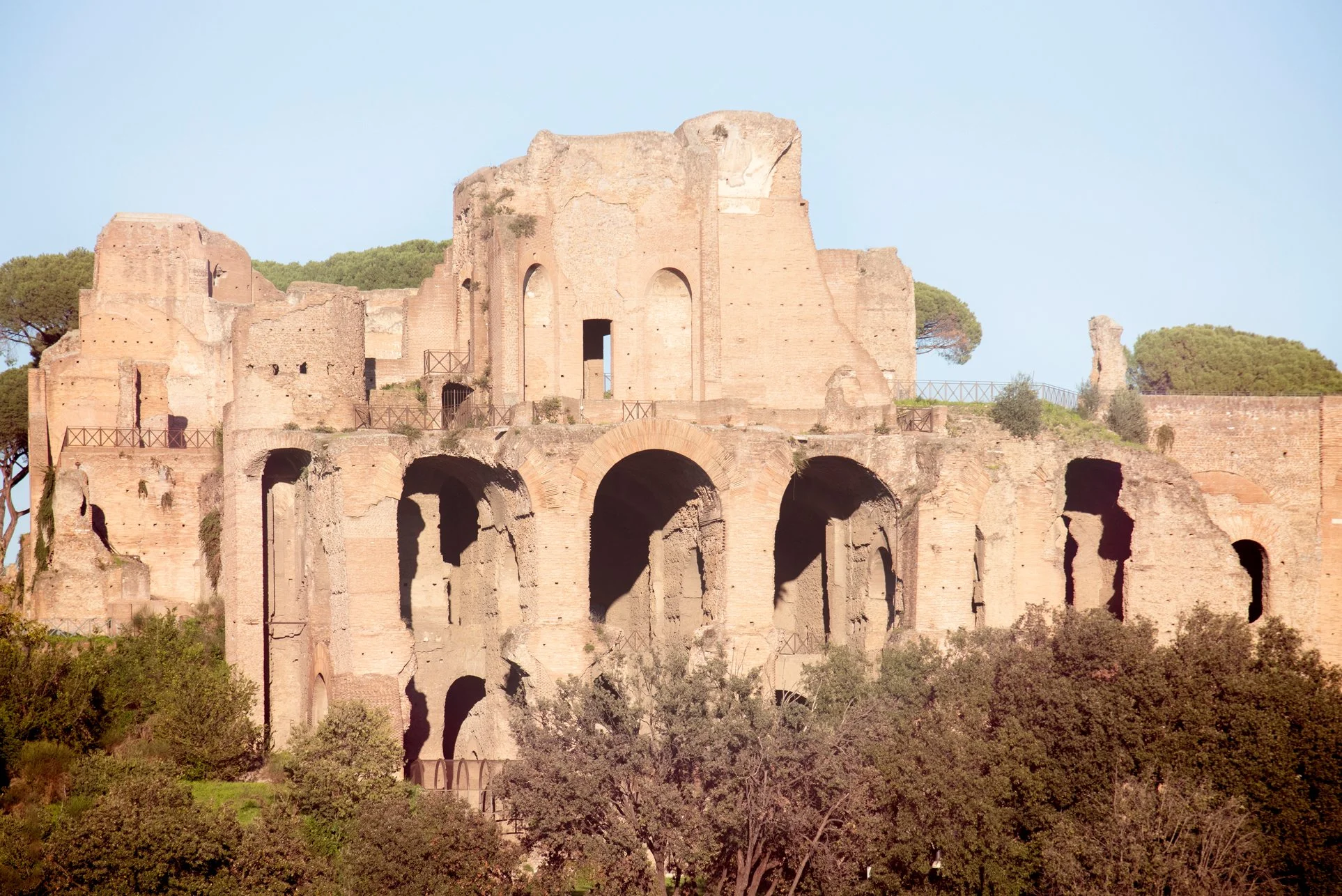
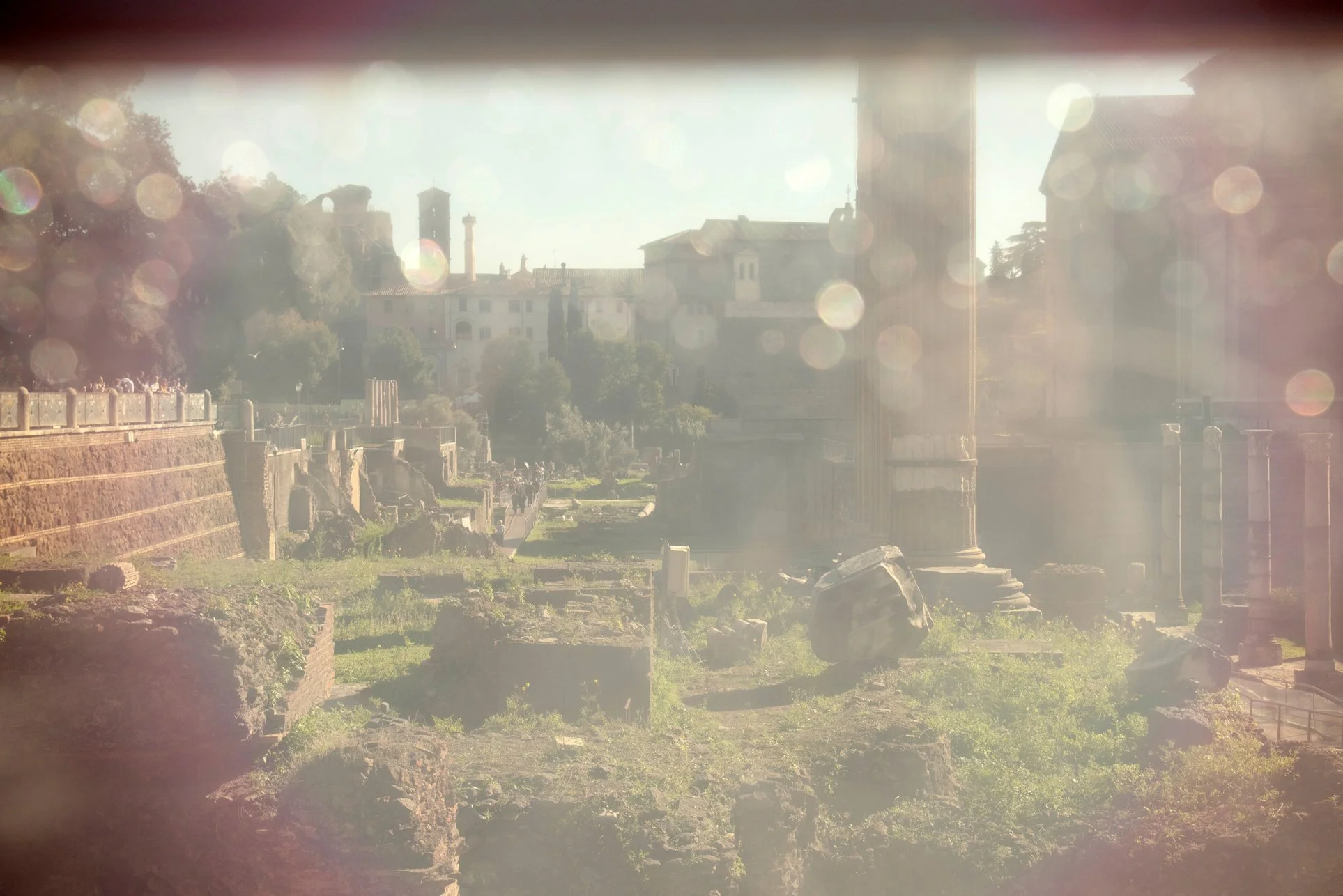
From 312 BC, with the Aqua Appia, Rome developed a system of aqueducts that within a few centuries reached eleven main channels, carved into rock or supported by arches. Water moves by gravity, along minimal and carefully calculated slopes, from the springs of Lazio to the city. Some of these aqueducts, such as the Aqua Virgo, are still in use today and supply the fountains of the historic center.
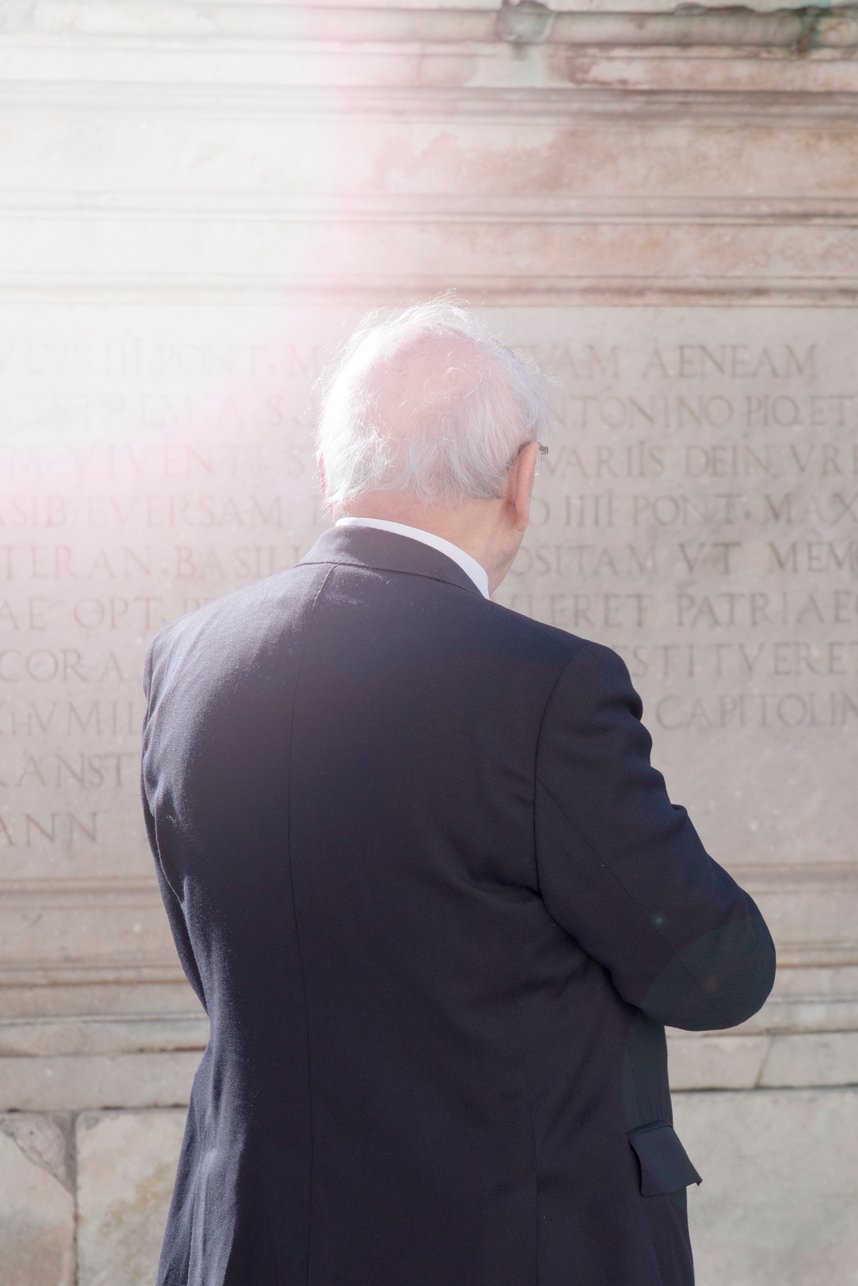
Frontinus, appointed curator aquarum in the first century AD, described in De aquaeductu Urbis Romae the complexity of the system and its management issues, including losses, diversions, and unauthorized use. For him, maintenance was a civic responsibility, water required constant oversight.
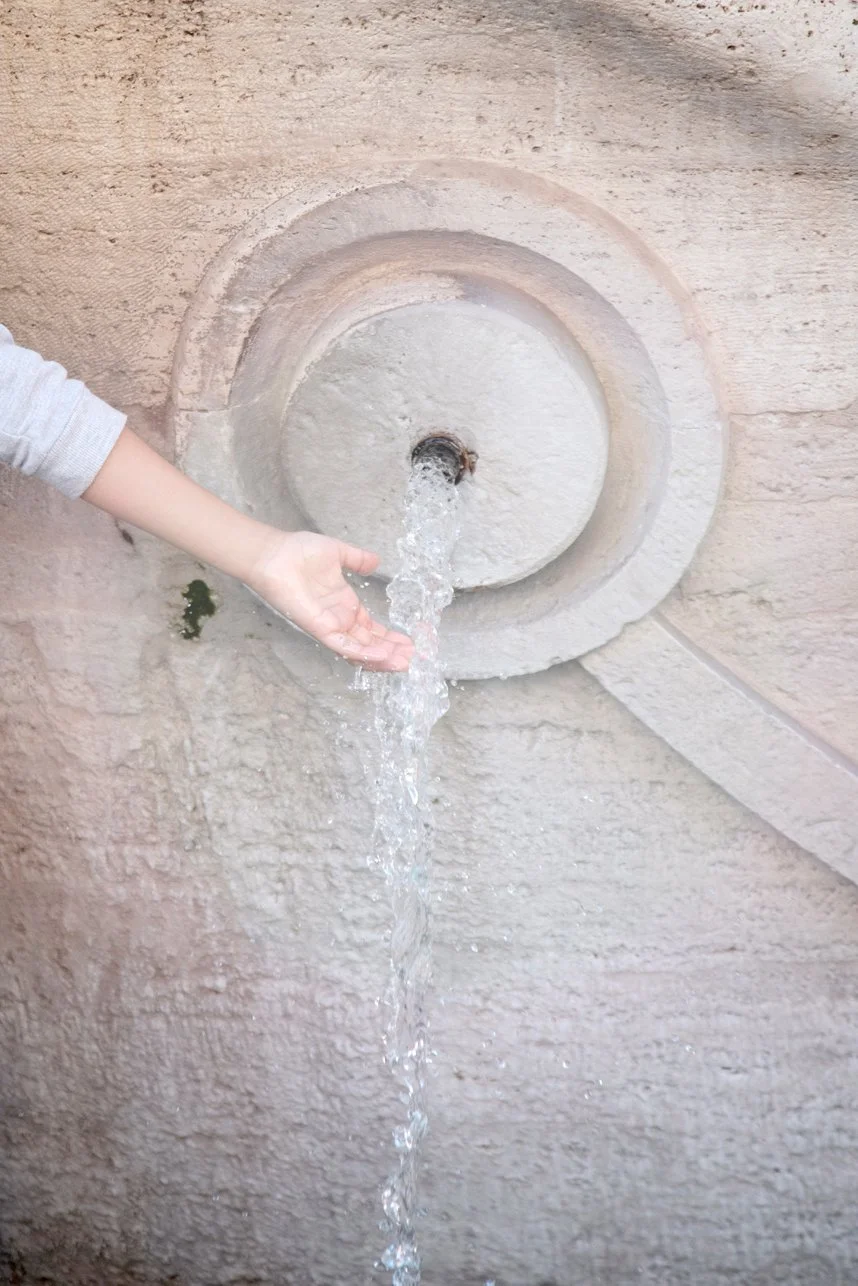
Even today, water travels long, hidden paths from the mountains to the city. As Calvino writes, “whoever turns on the tap commands, but commands only because they obey.” In this balance between access and responsibility lies the relationship between the city and its most essential resource.